Abalone Chinese Dish: Symbol of Prosperity in Chinese Gourmet Cuisine
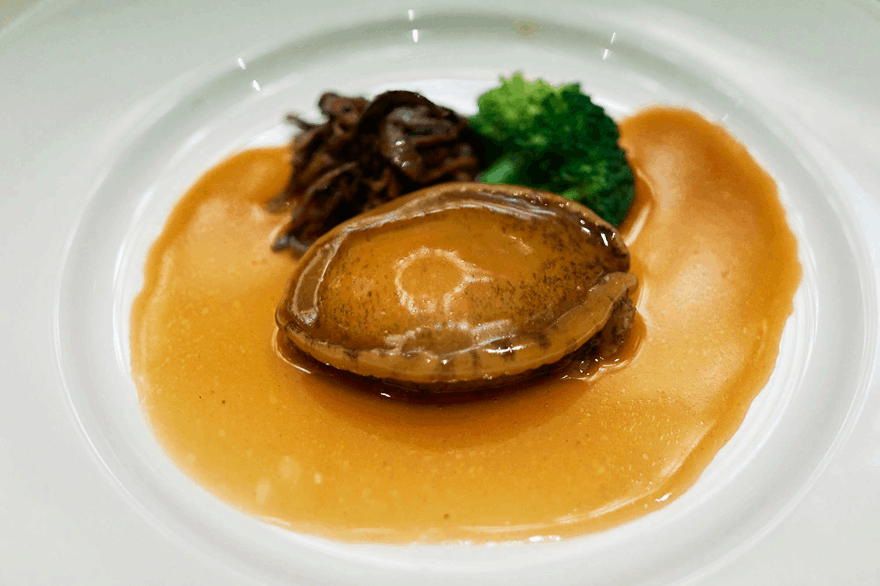
Abalone 鲍鱼 (bàoyú) is more than just a seafood delicacy in Chinese culture. It embodies wealth, prosperity, good fortune, and the art of Chinese culinary mastery. Revered for centuries, abalone has held an exalted place from imperial banquets to modern festive feasts.
This time, we’ll explore its rich history, deep cultural symbolism, time-honored cooking techniques like slow braising, the nuanced grading of quality based on “heads,” and why it remains a crown jewel in Chinese seafood cuisine.
Abalone History: From Imperial Tables to Festive Feasts
Abalone’s association with elite dining in China stretches back to ancient times. Domestic records show that abalones were prized and consumed as far back as the Sui and Tang dynasties (581–907 AD), and by the Qing Dynasty (1644–1911), they were regarded as one of the most luxurious foods available.
Dried abalone became a staple in the exclusive list of “marine precious delicacies,” served only to emperors and high-ranking officials as a symbol of status, wealth, and refinement.
The mollusk’s rarity and the labor-intensive effort required to harvest and prepare it added to its prestige. Coastal communities once gathered abalones by hand, and even with modern aquaculture, premium varieties remain rare and costly.
Over centuries, abalone earned a permanent place in Chinese seafood cuisine, not just for its flavor and texture, but as an emblem of high status and celebration, a tradition that lives on today.
Cultural Symbolism: More Than Just a Dish
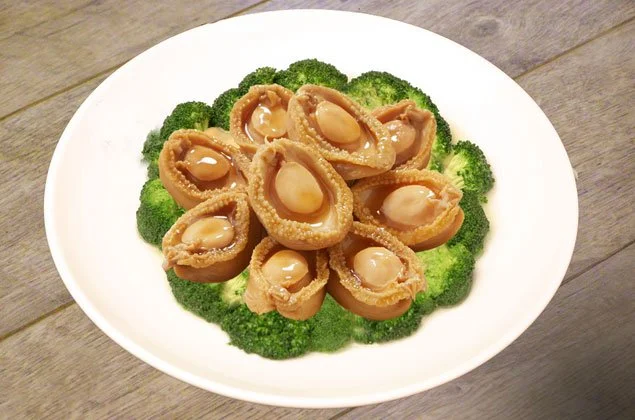
In Chinese culture, food is deeply symbolic, and abalone is no exception. Abalone is more than a dish, here’s its cultural symbolism:
1. Symbol of Prosperity and Abundance
The Chinese word for abalone phonetically resonates with auspicious phrases suggesting abundance and flourishing wealth. The glossy, golden sheen of a perfectly braised abalone is visually reminiscent of gold coins and treasures, reinforcing its symbolism of prosperity.
2. Staple in Major Celebrations
At Lunar New Year banquets, weddings, and important business dinners, abalone isn’t merely eaten for taste, it is served to express blessings: plentiful fortune for the coming year, a flourishing life for newlyweds, or success in business endeavors. Its presence on the table conveys respect, generosity, and high regard for guests.
3. Banquets and Community
In elaborate feasts, especially multi-course banquets, abalone often serves as a showpiece. For example, in large communal dishes like poon choi (盆菜), prized ingredients such as abalone and sea cucumber crown the layers of meats and vegetables, symbolizing unity and abundance.
Crafting Perfection: Slow Cooking and Braising Techniques
Abalone’s texture, firm yet tender with a delicate chew is part of what makes it unique, but achieving that ideal mouthfeel requires time, patience, and skill. This is especially true with dried abalone, where proper rehydration and slow cooking are critical.
1. Understanding Braising
Braising is a slow-cooking technique that turns abalone tender and richly flavored by gently cooking it in a well-seasoned liquid until a glossy, savory glaze forms.
2. Time and Temperature Matter
Low, controlled heat over many hours allows abalone to soften properly and absorb flavors, resulting in a texture that is tender yet firm, never mushy.
3. From Soup to Noodles
Beyond braising, abalone is versatile and commonly used in soups, congee, stir-fries, and noodles, where it adds depth of umami and a prized chewy texture.
Quality Matters: What “Heads” Tell You
In the world of dried abalone, size and quality are often described using “heads”, a traditional grading system. This term refers to the number of abalones per catty (about 600 grams):
Fewer heads (e.g., 2-head or 4-head): Large abalones, prized for tender texture and generous meat.
More heads (e.g., 20-head or 30-head): Smaller abalones, less costly but still flavorful.
In other words, the fewer the heads per catty, the larger and more luxurious the abalone and typically, the greater its price.
Try Abalone Chinese Dish From the Ocean Dynasty!
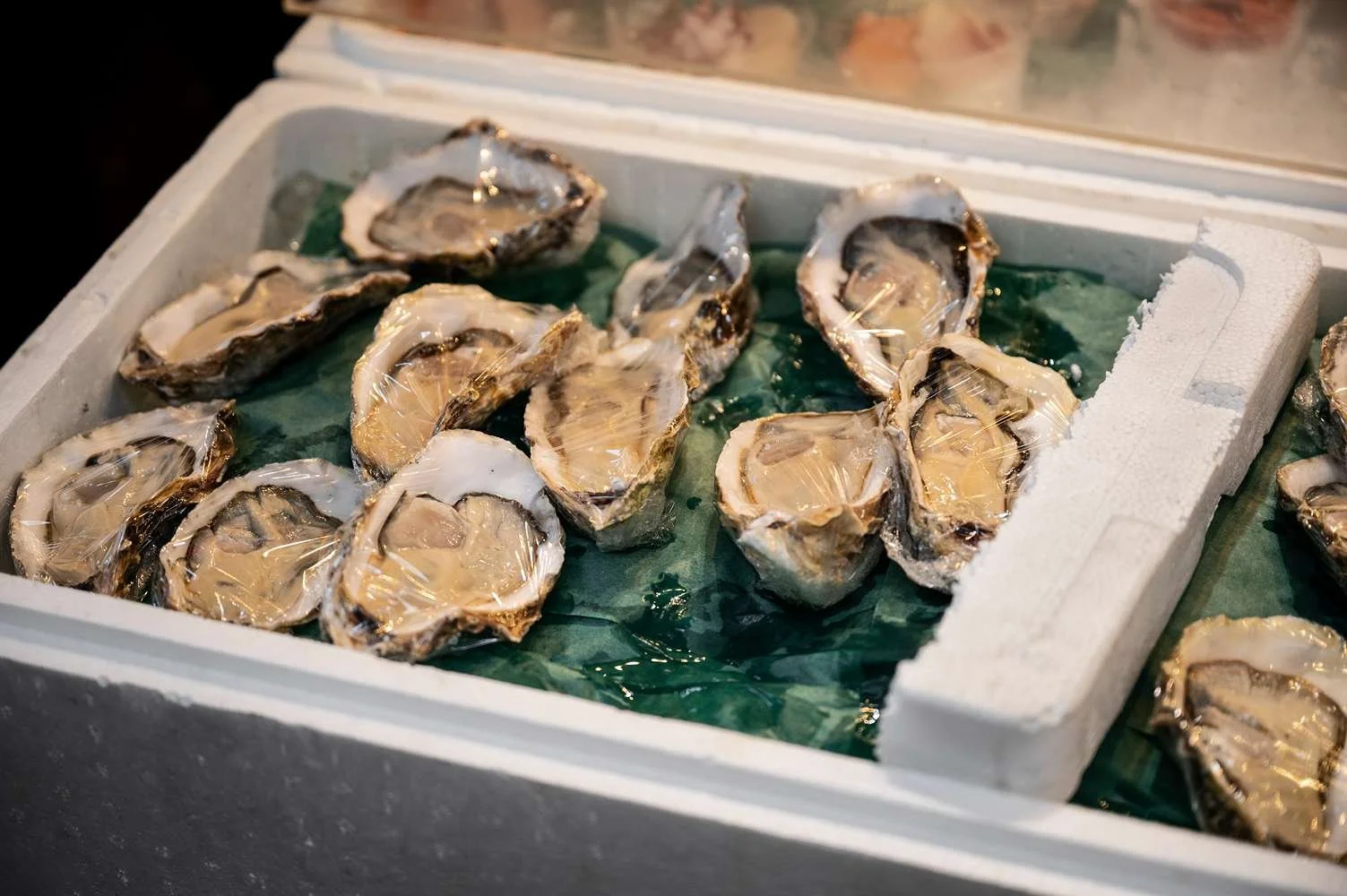
Ocean Dynasty Bali invites you to transform your appreciation for abalone and Chinese culinary heritage into an unforgettable dining experience. Located in the heart of Kuta, the restaurant presents our menu of premium live seafood from fresh shellfish to signature abalone creations.
Our top recommendation for abalone is Braised Whole Abalone, Braised Sliced Abalone with Lettuces, and Braised Sliced Abalone with Sea Cucumber and Lettuces.
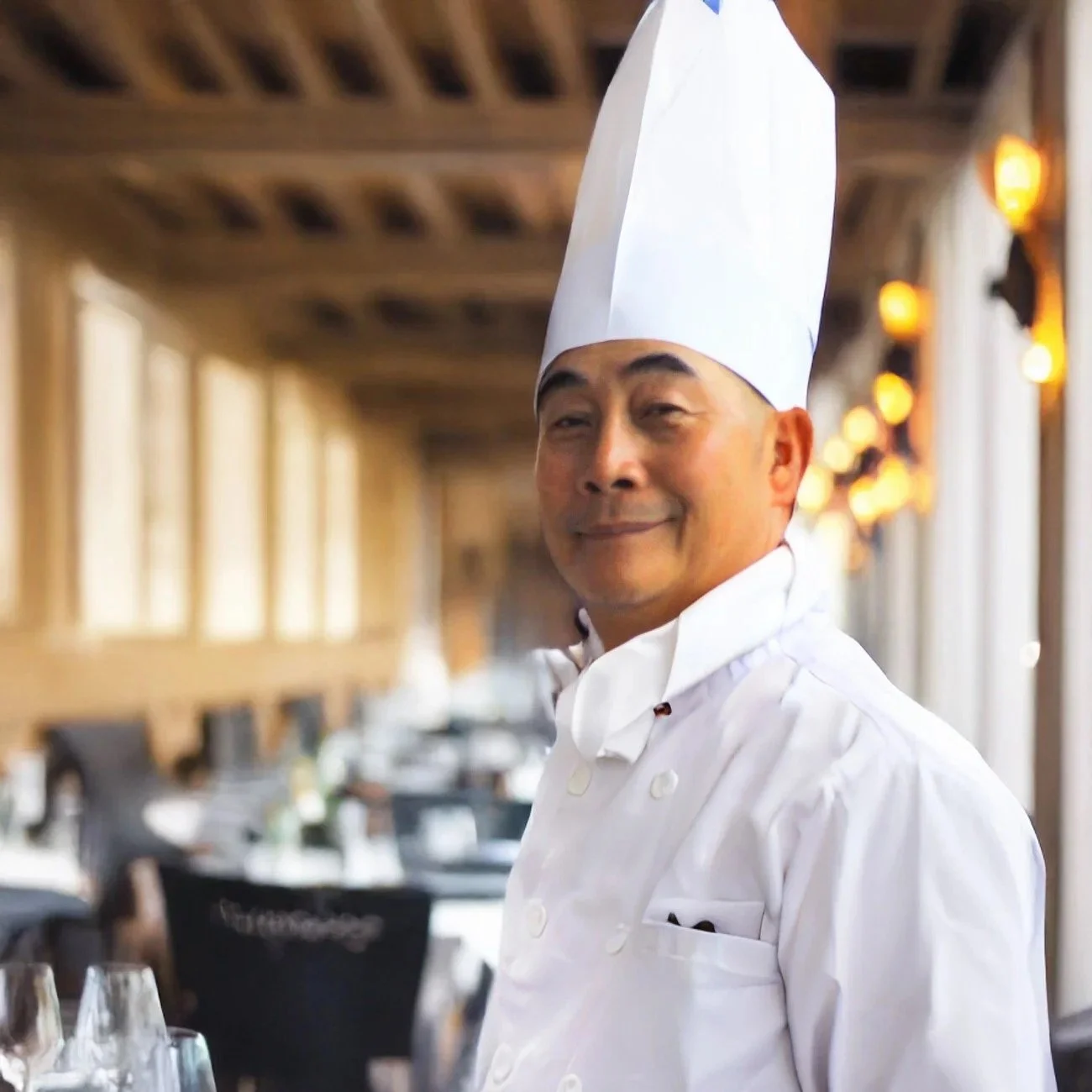
All of our menus are crafted by experienced chefs who balance time-honored Cantonese traditions with refined modern techniques.
Additionally, we also offer an elegant setting with private rooms and thoughtful pairings that elevate every dish. Secure your table by making reservations through the official website or by contacting +62 811-1920-9007 (WhatsApp or Call), and savor a seafood experience that truly celebrates luxury, freshness, and tradition.
FAQ
How do chefs achieve the perfect texture when cooking abalone?
The key is slow cooking techniques like braising. Abalone benefits from lengthy braising in well-seasoned broths that gradually tenderize the meat while infusing rich flavors. This patient process results in a texture that yields slightly under a chopstick yet retains pleasant firmness.
What does “heads” mean when referring to abalone quality?
“Heads” refers to the number of abalones per catty (about 600 grams). Fewer heads mean larger individual abalones, which are generally more luxurious and expensive. Higher head counts indicate smaller pieces that are more affordable but still enjoyable.
Can abalone be cooked at home easily?
Yes! While premium braised abalone requires skill and time, simpler home dishes like abalone congee, chicken soup with abalone, or light steamed abalone with sauce are entirely approachable.
What makes abalone such a highly prized ingredient?
Besides its flavor and texture, abalone’s cultural symbolism and ceremonial significance elevate its status. Its association with prosperity, combined with harvesting difficulty and culinary prestige, make it a standout delicacy in Chinese seafood cuisine.