The Art of Cantonese Steamed Fish: Precision, Freshness, and Superior Taste
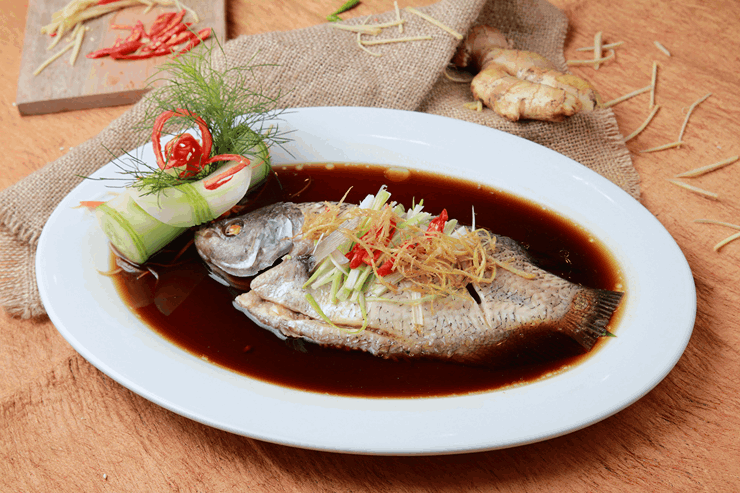
There’s something beautifully simple yet incredibly refined about Cantonese steamed fish. No heavy sauces, no complicated spices—just fresh fish, gentle steam, and perfect timing. This classic Cantonese dish is all about precision and respect for ingredients, where even a few extra seconds of steaming can change the texture completely.
In this article, we’ll explore the authentic Cantonese steaming technique that makes this dish so special. We’ll also uncover the secret behind the final pour of superior sauce.
Authentic Cantonese Steaming Technique
Steaming fish the Cantonese way may look simple, but every small step matters. From choosing the right fish to timing the steam and finishing with fragrant oil and sauce, precision is what keeps the fish tender, sweet, and never fishy. Here are the essential techniques that define truly authentic Cantonese steamed fish:
1. Choose the Right Fish
Not all fish are suitable for steaming. Cantonese cooking prefers fish with firm yet delicate flesh that can hold its shape while staying moist.
Great choices include Crimson Snapper, Asian Seabass, Soon Hock, Grouper (except Black Grouper), and Baby Threadfin (Ngor Her Shun). Freshness is non-negotiable here as the better the fish, the better the final taste.
2. Proper Cleaning Is Key
Make sure the fish is fully scaled and cleaned, including the belly cavity. This step removes any lingering fishy smell and ensures the final dish tastes clean and fresh.
After washing, always pat the fish dry inside and out with a kitchen towel—extra moisture can dilute flavor during steaming.
3. Make Diagonal Slits
Before steaming a whole fish, cut two or three diagonal slits across the thickest part of the body, following the direction from fin toward the stomach. These slits help heat penetrate evenly, so the inside cooks at the same rate as the outside.
4. Start with Boiling Water
The water in the steamer must already be boiling before the fish goes in. Starting with cold or warm water will throw off the cooking time and often leads to oversteaming or uneven texture.
5. Use Ginger Wisely
Add thinly sliced ginger on top of the fish before steaming. Ginger helps neutralize any fishy aroma while adding a light fragrance. Slice it thinly as thick chunks won’t release aroma as effectively.
6. Steam with Precision (Do NOT Oversteam)
Timing is everything. For a medium-sized Asian Seabass or Red Snapper, 7–8 minutes over medium-high heat is enough when using a stainless-steel plate.
If you’re using porcelain or glassware, add 2–3 extra minutes. Avoid opening the steamer lid during cooking, as sudden heat loss affects timing.
7. Check Doneness Immediately
Once steaming is done, remove the fish from heat right away. Use a chopstick to gently prod the thickest part. If it flakes easily, it’s perfectly cooked. Leaving it in the steamer will cause carryover cooking and dry the flesh.
8. Discard the Steaming Juices
After steaming, pour away the cloudy liquid released from the fish. This liquid has a strong fishy smell and should never be used as sauce.
You can suction it with a baster, absorb it with paper towels, or transfer the fish to a clean serving plate. This is a classic Chinese restaurant trick.
9. Prepare Sauce Separately
Always prepare the soy sauce mixture separately and pour it over the fish only after the steaming liquid is discarded.
A simple mix of light soy sauce, sugar, salt, and water works best when gently heated until the sugar dissolves.
10. Finish with Hot Oil and Aromatics
Just before serving, top the fish with finely shredded spring onions. Heat oil until hot (but not smoking) and pour it over the onions. The sizzling releases an incredible aroma instantly.
Then pour the warm soy sauce mixture over the fish and finish with a drizzle of Hua Tiao wine.
11. Serve Immediately
Cantonese steamed fish waits for no one. Since steaming takes under 10 minutes, cook it only when the meal is ready to be served.
Once it cools, the texture and flavor won’t be the same. Served fresh, the fish will be incredibly tender, silky, and naturally sweet.
The Importance of Precise Steaming Time
In Cantonese cooking, steaming time can make or break a fish dish. In the past, older generations preferred their fish slightly undercooked—about 80% done—allowing residual heat to finish the cooking while eating.
Flesh that gently clung to the bones was once seen as a sign of perfect technique. Today, however, most diners expect the fish to be fully cooked before it reaches the table. That’s why precise timing is so important.
If the fish is understeamed, reheating becomes the only option, and unfortunately, that dulls the natural sweetness and weakens the flavor.
A simple solution is to check doneness before removing the fish from heat: gently pierce the thickest part with a chopstick. If it slides through easily with no resistance, the fish is perfectly steamed and ready to serve.
The Secret Is in the Superior Soy Sauce Drizzle
The final magic of Cantonese steamed fish lies in the soy sauce drizzle. By combining the fish’s natural juices with light soy sauce and a touch of sugar, then gently heating it before pouring over the fish and fresh spring onions, the flavor instantly comes alive.
This simple homemade sauce boosts umami and enhances the fish’s natural sweetness without overpowering it.
Transform Fresh Fish into Something Truly Unforgettable!
Cantonese steamed fish is a perfect example of how simplicity, when done right, can taste extraordinary. With fresh fish, precise steaming, fragrant aromatics, and a carefully prepared soy sauce finish, you can create a dish that’s light, elegant, and deeply satisfying.
Discover the true taste of refined Chinese cuisine at Ocean Dynasty, where every dish is crafted with care, tradition, and premium ingredients. Our menu features authentic favorites which is perfect for family gatherings, business meals, or special celebrations.
To ensure the best dining experience, we highly recommend making reservations in advance. Secure your table today by contacting +62 811-1920-9007 (WhatsApp or Call) and let us take care of the rest while you enjoy an unforgettable meal.
FAQ
What is the best fish for Chinese steamed fish?
Fresh fish with firm, delicate flesh works best, such as Asian seabass, red snapper, grouper, soon hock, or baby threadfin.
What to pair with Chinese steamed fish?
Pair it with simple sides like steamed rice, stir-fried greens, or light tofu dishes to keep the meal balanced and fresh.