Chinese Flavours: Understanding the Yin-Yang Philosophy in Chinese Food Seasoning
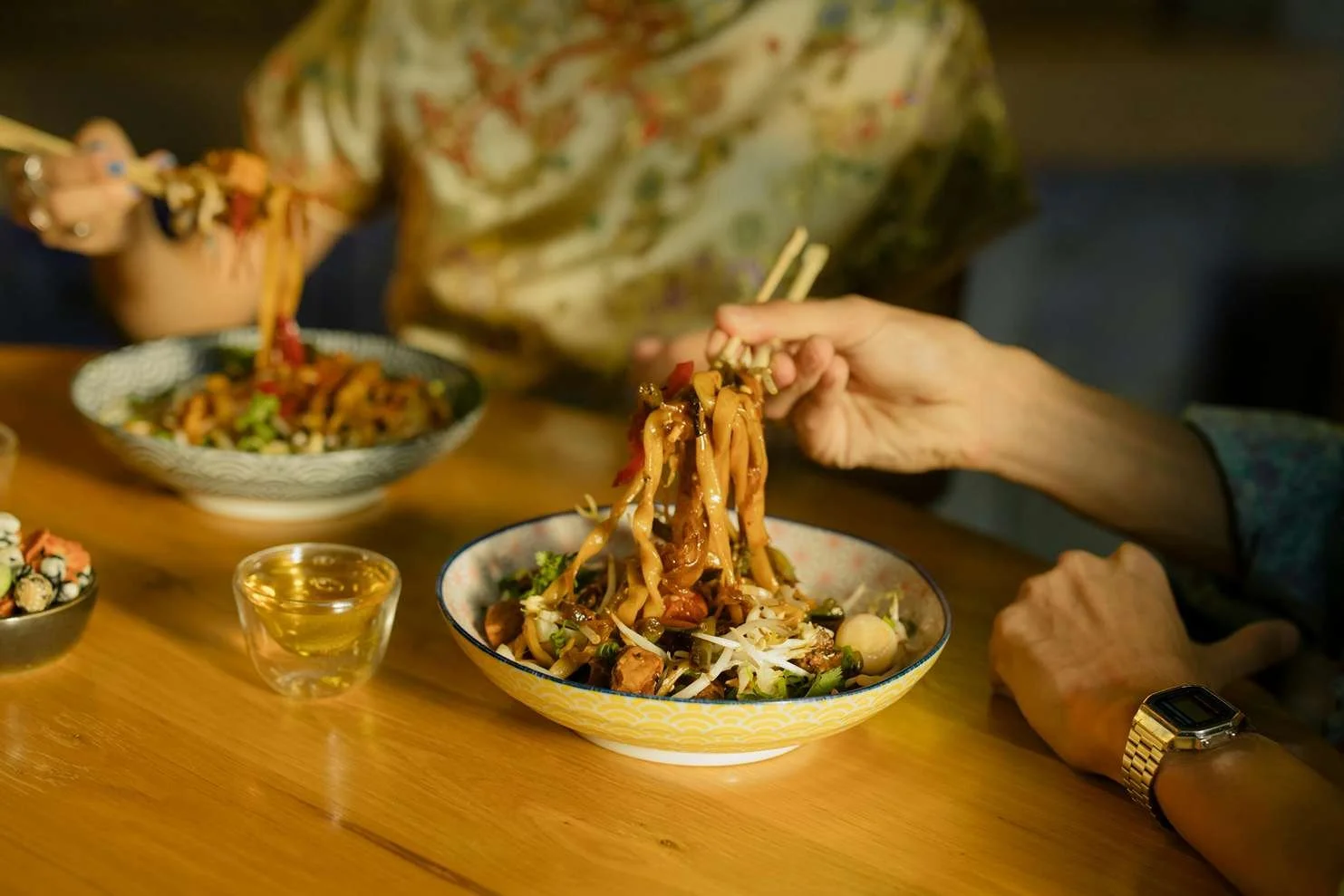
Behind every Chinese dish, there’s a quiet philosophy at work. The concept of Yin and Yang plays a big role in shaping chinese flavours, guiding how seasoning is used to create balance rather than overpowering taste. This is why each region in China has its own flavor identity.
These flavors didn’t happen by accident; they were formed by geography, weather, and daily habits. In this guide, we’ll dive into the regional roots of Chinese flavours and explore how iconic dishes served at Ocean Dynasty bring this timeless balance to the table.
Yin-Yang Philosophy in Chinese Flavours
In Chinese cooking, Yin and Yang represent balance. Yin flavors are cooling, light, and gentle—like steamed foods, vegetables, and clear soups. Yang flavors are warming, rich, and bold—often found in fried, braised, or spicy dishes.
A good Chinese meal balances both, so the body feels energized but not overwhelmed. This philosophy is the foundation of many Chinese flavours, especially when it comes to seasoning, cooking methods, and ingredient choices.
Main Chinese Flavour Across Different Regions
Chinese food is famous for its variety of flavors, and each region has its own reason for favoring certain tastes. Climate, geography, and daily lifestyle all play a role in shaping these preferences.
Below are the main Chinese flavours found across different regions, along with a few examples you can actually enjoy at Ocean Dynasty:
1. Spicy
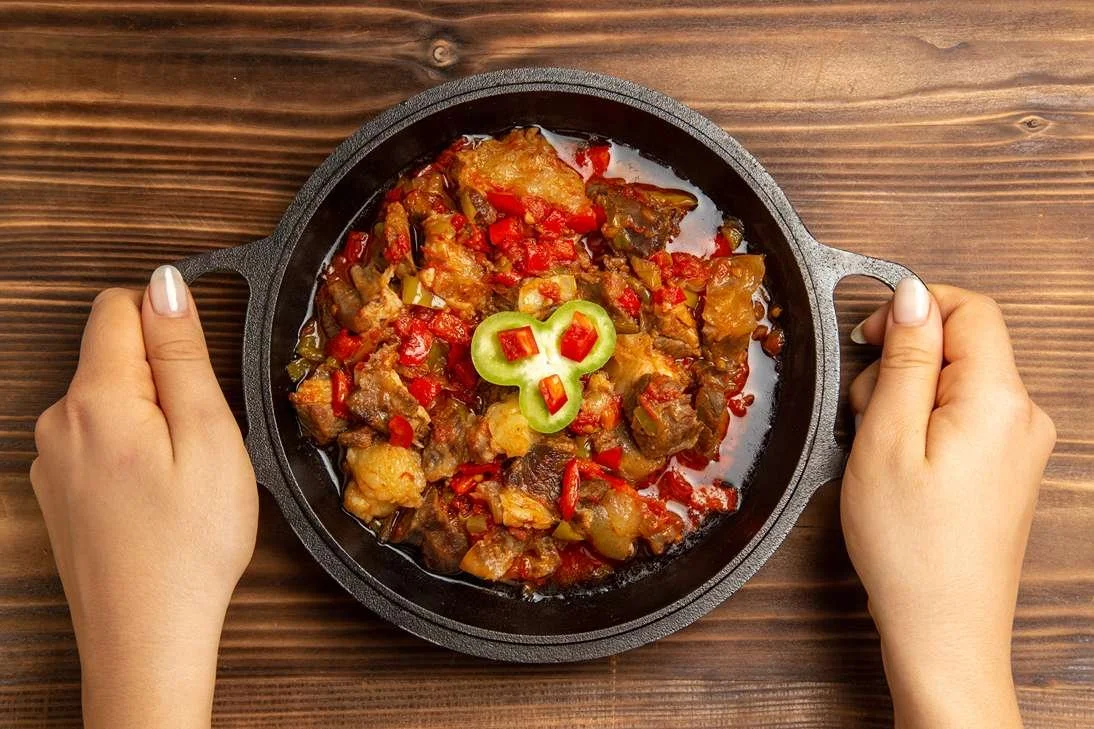
Spicy flavor is one of the most iconic Chinese tastes. It’s especially popular in Central and Southern China, including Sichuan, Hunan, Yunnan, and Guangxi.
These regions tend to have humid climates, which makes it harder for the body to release moisture. That’s why spicy food is believed to help expel internal dampness, warm the body, and boost blood circulation. Sichuan and Hunan Chinese cuisines are the most famous here, but their spiciness is different.
Sichuan cuisine combines heat with a numbing sensation from Sichuan peppercorns, while Hunan cuisine is more straightforward.
At Ocean Dynasty, you can experience this spicy tradition through dishes like Szechuan Hot & Sour Soup, which balances heat and tanginess, Mapo Tofu with Minced Beef, rich and warming with chili and peppercorns, and Sauteed Baby String Beans with Minced Beef in Szechuan Sauce, a bold, savory dish that truly represents Sichuan-style spiciness.
2. Salty
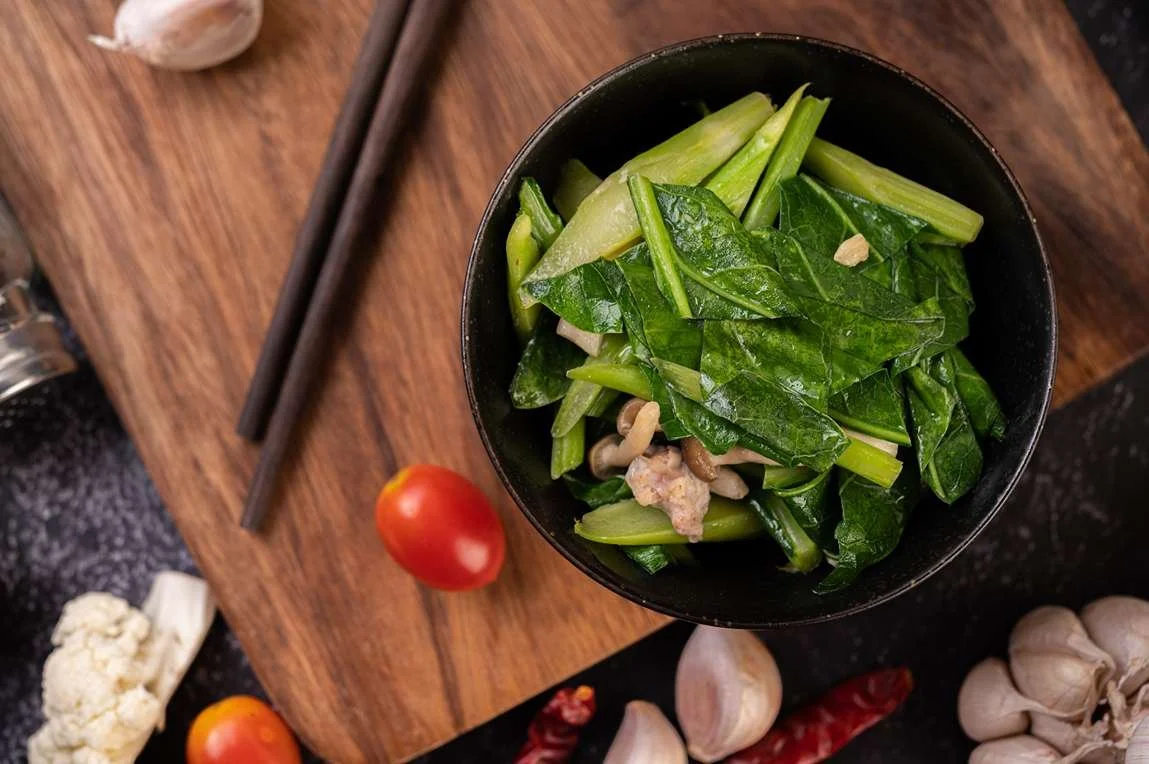
Salty flavor plays a major role in Chinese food, especially in coastal areas and Northern China. Historically, salt was more accessible near the sea, making it a common seasoning.
In the north, the cold climate meant fewer fresh vegetables during winter, so people relied on pickling and preserving foods with salt. From a traditional perspective, salty food is believed to help the body dissolve stagnation, but moderation is key.
Too much salt can be harmful, which is why salty flavors are often paired with vegetables, rice, or soups.
At Ocean Dynasty, this flavor comes through in dishes like Braised Pok Choy with Oyster Sauce, where saltiness is gentle and balanced, Crab with Black Pepper Sauce, combining savory depth with seafood sweetness, and Stir-Fried Squid with XO Sauce, where umami and salt work together beautifully.
3. Sweet
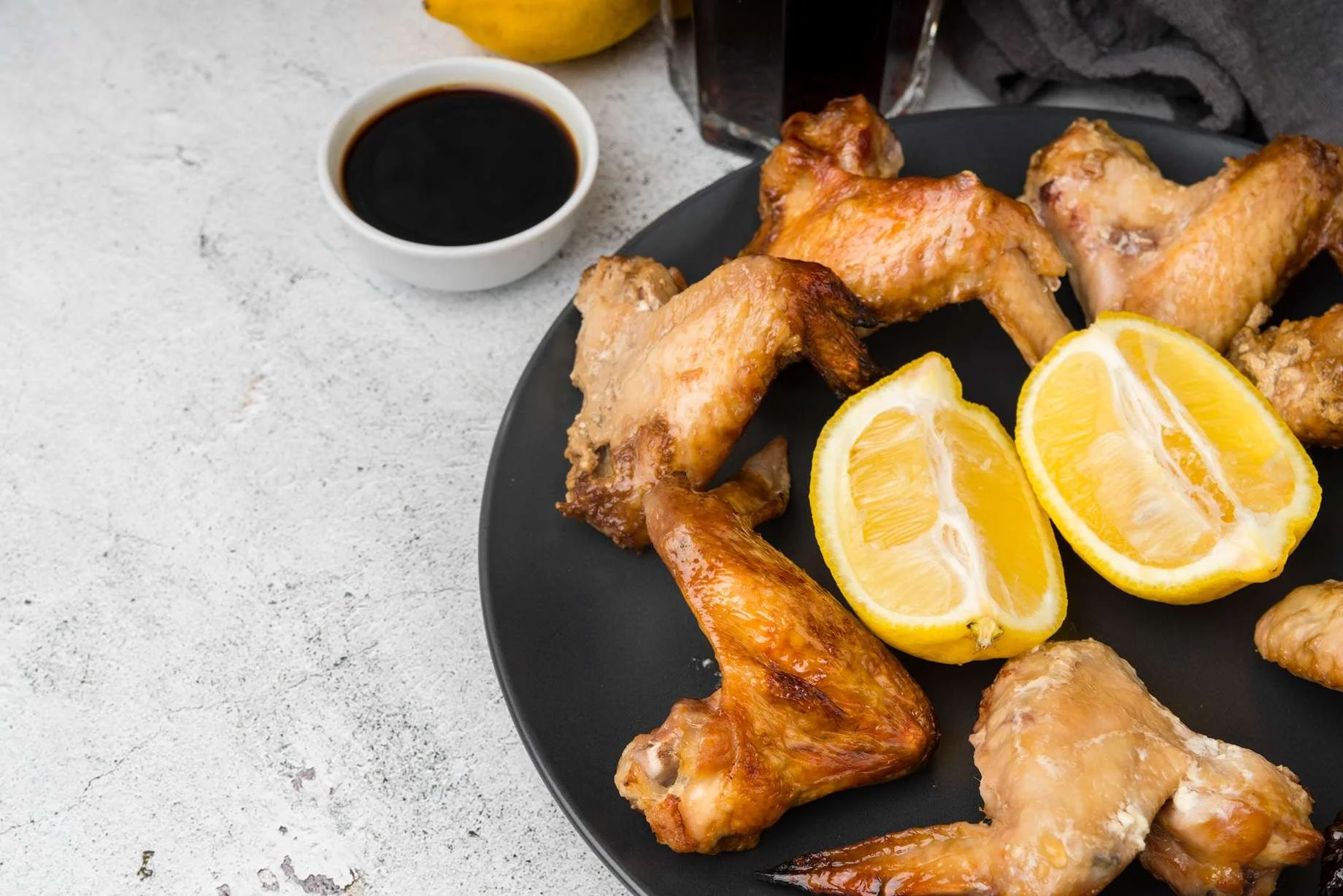
Sweet flavor is most commonly associated with Eastern China, including Jiangsu, Zhejiang, Fujian, Anhui, and parts of Guangdong. Unlike desserts, sweetness in Chinese savory dishes is usually light and subtle, meant to enhance flavor rather than dominate it.
In traditional Chinese medicine, sweet flavors are believed to nourish the body, improve mood, and soften strong tastes like fishiness or oiliness. That’s why sugar, honey, or sweet sauces are often used in seafood and braised dishes.
At Ocean Dynasty, you can taste this Eastern Chinese sweetness in Sweet & Sour Sauce Prawns, which balance sugar and vinegar perfectly, Deep Fried Chicken with Lemon Sauce, light and refreshing, and Sweet & Sour Fish, where sweetness highlights the freshness of the fish rather than overpowering it.
4. Sour

Sour flavor is especially popular among Southern Chinese minorities in Guangxi, Guizhou, and Yunnan, as well as in Shanxi Province. In the south, sourness comes from pickling and fermenting foods, a practical way to preserve ingredients and prevent waste.
In Shanxi, vinegar is added to nearly everything. From a health perspective, sour flavors are believed to aid digestion, stimulate saliva, reduce greasiness, and refresh the appetite. This makes sour dishes especially enjoyable when paired with rich or fried foods.
Ocean Dynasty reflects this flavor through Szechuan Hot & Sour Soup, where sourness cuts through spice, Sweet & Sour Sauce Fish, combining tangy and sweet notes, and Sweet & Sour Prawns, which are light, refreshing, and crowd favorites.
5. Bitter
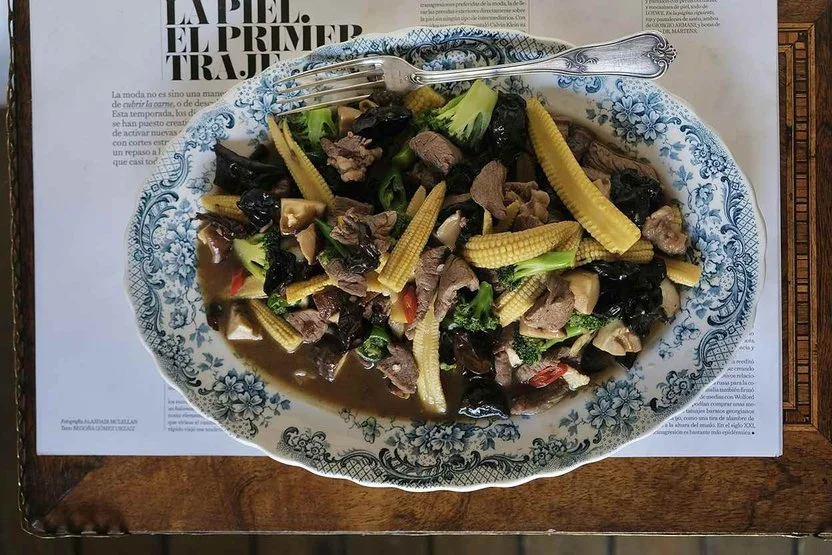
Bitter flavor is less common but still important in Chinese cuisine. It’s often associated with Chinese medicinal food, using herbs and natural ingredients believed to clear internal heat, strengthen digestion, and promote balance.
Bitter taste is rarely used alone. Instead, it appears subtly to add depth and contrast, making dishes feel more refreshing and complex.
At Ocean Dynasty, this concept is represented through dishes like Special Homemade Herbal Jelly, which carries a mild bitterness balanced with sweetness, and vegetable dishes such as Braised Black Mushrooms with Broccoli, where natural bitterness adds richness and complexity without being overwhelming.
Taste the Harmony in Every Bite!
When Yin and Yang are balanced, seasoning enhances the ingredients instead of masking them. That’s why regional dishes, from delicate seafood preparations to hearty claypot meals, feel so satisfying.
Ready to enjoy authentic Chinese flavors in a comfortable and elegant setting? Explore our menu filled with fresh seafood, classic Chinese dishes, and signature specialties made for sharing.
For a smooth and hassle-free experience, we recommend making reservations in advance. Contact Ocean Dynasty Bali at +62 811-1920-9007 (WhatsApp or Call) and let our team help you plan a memorable dining moment, whether it’s a casual meal, family gathering, or special celebration.
FAQ
What are the flavors of Chinese food?
Chinese food is known for five main flavors: sweet, sour, spicy, salty, and bitter, all balanced using the Yin-Yang philosophy.
What are unique Chinese flavors?
Unique Chinese flavors come from regional styles, such as numbing-spicy Sichuan, light and savory Cantonese, slightly sweet Eastern Chinese, and hearty Hakka cuisine.