
Pearl vs Bamboo vs Batik: Connoisseur’s Guide to Types of Lobster
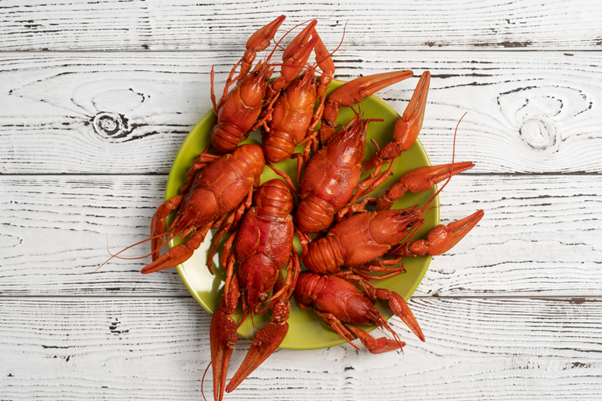
Choosing lobster can feel a little intimidating, especially when you’re staring at a live aquarium filled with different options. But once you understand the differences between the types of lobster, the decision becomes part of the fun. At Ocean Dynasty, you’ll typically find Pearl, Bamboo, and Batik lobsters swimming fresh and ready to be cooked your way.
What makes them different? It all comes down to meat texture, sweetness, and how they respond to different cooking styles. Some lobsters are naturally sweeter and best kept simple. Others have firmer flesh that holds up beautifully to rich sauces or claypot cooking. Knowing these small details helps you get the best flavor in every bite.
The Difference Between Pearl, Bamboo, and Batik Lobster
When you visit Ocean Dynasty, one of the most exciting things to see is the live lobster selection in the aquarium. Not all lobsters are the same, and each type has its own unique texture, flavor, and character. Let’s take a closer look at the three types of lobster available: Pearl, Bamboo, and Batik lobster:
1. Pearl Lobster
If you’re looking for thick, premium lobster meat, Pearl Lobster is the star of the show. This type is known for its dense, firm, and meaty texture. The flesh is thick, juicy, and naturally sweet, making it a favorite for those who love a rich seafood experience.
Because of its superior meat quality, Pearl Lobster is usually priced higher than other types. It’s highly sought after by fishermen and seafood lovers alike. Catching it isn’t easy either, since it lives in areas with strong waves, which adds to its exclusivity.
Visually, Pearl Lobster is stunning. It has a bluish-green back with reddish-brown tones, decorated with bright yellow spots of different sizes. Its beautiful appearance matches its premium quality.
Thanks to its thick and sweet meat, Pearl Lobster is even suitable for sashimi, where freshness and texture truly matter. If you want a luxurious and satisfying bite, this is the one.
2. Bamboo Lobster
As the name suggests, Bamboo Lobster has a greenish color that resembles bamboo. It’s also often called green lobster. Physically, it has a green base color with white horizontal stripes bordered by black lines.
One of its distinctive features is its reddish antenna, which makes it easy to recognize. In terms of meat character, Bamboo Lobster has a slightly lighter and softer texture compared to Pearl Lobster. The flesh is still sweet and delicious but not as thick or dense.
It offers a balanced flavor, fresh, mildly sweet, and perfect for those who prefer a lighter seafood taste. Bamboo Lobster usually lives in coastal waters and can be found at depths of up to 15 meters. It’s commonly found in areas such as Aceh, West Sumatra, Manado, Makassar, and West Java.
Because it’s more accessible, it’s often a popular and versatile choice on the menu. It works well with various cooking styles, from steaming to grilling.
3. Batik Lobster
Batik Lobster gets its name from its beautiful shell pattern that resembles traditional batik motifs. It has a dark brown base color covered with small white spots. Its antenna is purplish with black spots, while its legs are black and its tail has a bright orange tone.
Visually, it’s very eye-catching. When it comes to flavor, Batik Lobster is known for its sweet and savory taste. The meat texture is moderately firm, not as thick as Pearl Lobster, but slightly denser than Bamboo Lobster. It offers a nice balance between tenderness and chewiness.
This lobster is commonly found along the southern coast of Java Island. Because of its naturally sweet and savory profile, Batik Lobster is perfect for flavorful cooking styles like garlic butter, chili sauce, or claypot preparations. The seasoning blends beautifully with the meat without overpowering its natural sweetness.
Best Cooking Method for Each Lobster Type
Since Pearl, Bamboo, and Batik lobsters each have their own texture and flavor profile, the best cooking method should highlight their natural strengths. At Ocean Dynasty, the chef carefully prepares each type to bring out its best qualities, so every bite feels perfectly balanced and satisfying. Here’s how each lobster shines on the plate:
A. Pearl Lobster (Best for Steaming or Sashimi)
Pearl lobster is known for its thick, dense, and naturally sweet meat. Because of this premium texture, simple cooking methods work best. Steaming is highly recommended, as it preserves the lobster’s original sweetness and keeps the meat juicy and tender.
A light soy-based sauce, garlic topping, or a touch of ginger is enough to enhance the flavor without overpowering it. For the freshest catch, Pearl lobster can even be served as sashimi.
Its firm and sweet flesh makes it ideal for raw presentation, allowing you to fully appreciate its natural taste and smooth texture. The key with Pearl lobster is simplicity, let the quality of the meat speak for itself.
B. Bamboo Lobster (Perfect for Grilling or Light Stir-Fry)
Bamboo lobster has a slightly firmer and leaner texture compared to Pearl lobster. This makes it excellent for grilling or light stir-frying. Grilling brings out a subtle smoky aroma that complements its clean, mild sweetness.
The firm meat holds its shape well over heat, giving you a satisfying bite. Light stir-frying with garlic butter or a mild savory sauce also works beautifully. The meat absorbs flavors well without losing its natural freshness.
Bamboo lobster is a great choice for diners who enjoy a balanced combination of texture, aroma, and seasoning.
C. Batik Lobster (Ideal for Rich Sauces or Claypot Style)
Batik lobster offers a sweet and savory taste with a moderately tender texture. Because of this, it pairs wonderfully with richer cooking styles. Preparing it with bold sauces, such as black pepper, salted egg, or savory gravy, adds depth while still highlighting its natural sweetness.
Claypot-style cooking is another excellent option. The slow heat allows the lobster to soak up the sauce, creating a flavorful and aromatic dish that feels hearty and satisfying. Batik lobster’s character makes it perfect for those who love strong, layered flavors.
Choose Your Favorite!
Pearl lobster shines when steamed, letting its natural sweetness stand out. Bamboo lobster holds its texture beautifully, making it perfect for garlic butter or Hong Kong-style preparations. Batik lobster, with its slightly denser bite, pairs wonderfully with richer sauces or claypot cooking.
Ready to enjoy the best of Chinese seafood cuisine in a warm and welcoming setting? Make your dining experience smooth and stress-free by securing your reservations at Ocean Dynasty Bali.
From fresh live seafood to signature claypot dishes, our menu is crafted to satisfy every craving, perfect for family dinners, celebrations, or casual gatherings. Don’t wait until it’s fully booked, contact +62 811-1920-9007 via WhatsApp or Call today and let Ocean Dynasty prepare an unforgettable feast just for you.
FAQ
What are common fish dishes?
Common fish dishes include steamed whole fish, sweet and sour fish, braised fish, claypot fish, and fish soup.
What fish is used in Chinese cooking?
Chinese cooking often uses sea bass, grouper, pomfret, tilapia, and carp because of their firm texture and mild, fresh flavor.