Chinese Birthday Noodle: The Timeless Tradition of Siu Mie
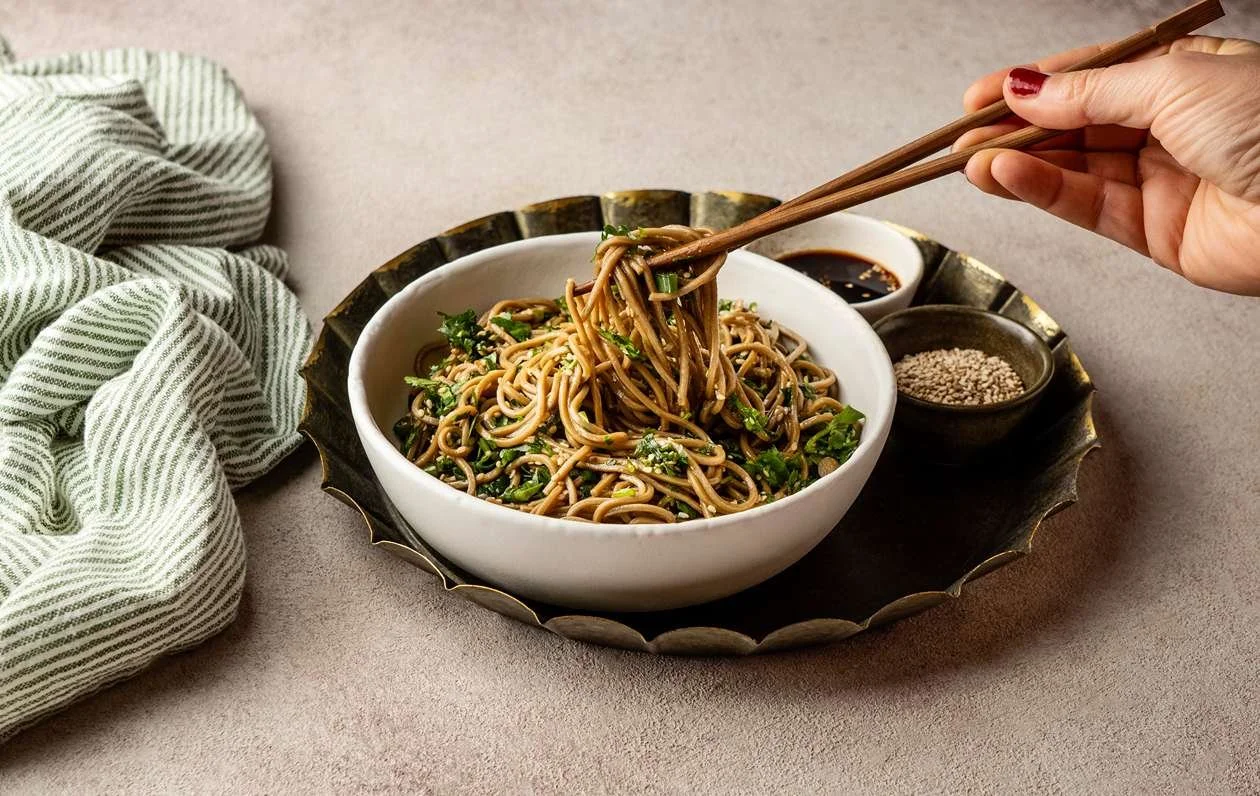
Have you eaten or heard about longevity noodles? Known in Mandarin as cháng shòu miàn (长寿面) and often referred to in Cantonese as yi mein or e-fu noodles are much more than a delicious part of Chinese cuisine.
They are a powerful symbol of health, long life, and good fortune. Traditionally served at birthdays and other important celebrations, these long strands carry cultural meaning that has been passed down through generations.
From the philosophy behind their length to the significance of eating them uncut, longevity noodles reflect deep-rooted beliefs in continuity, family ties, and auspicious beginnings in life. Here's more detail about Siu Mie!
Origins and Philosophy of Long Life Noodles (Siu Mie)
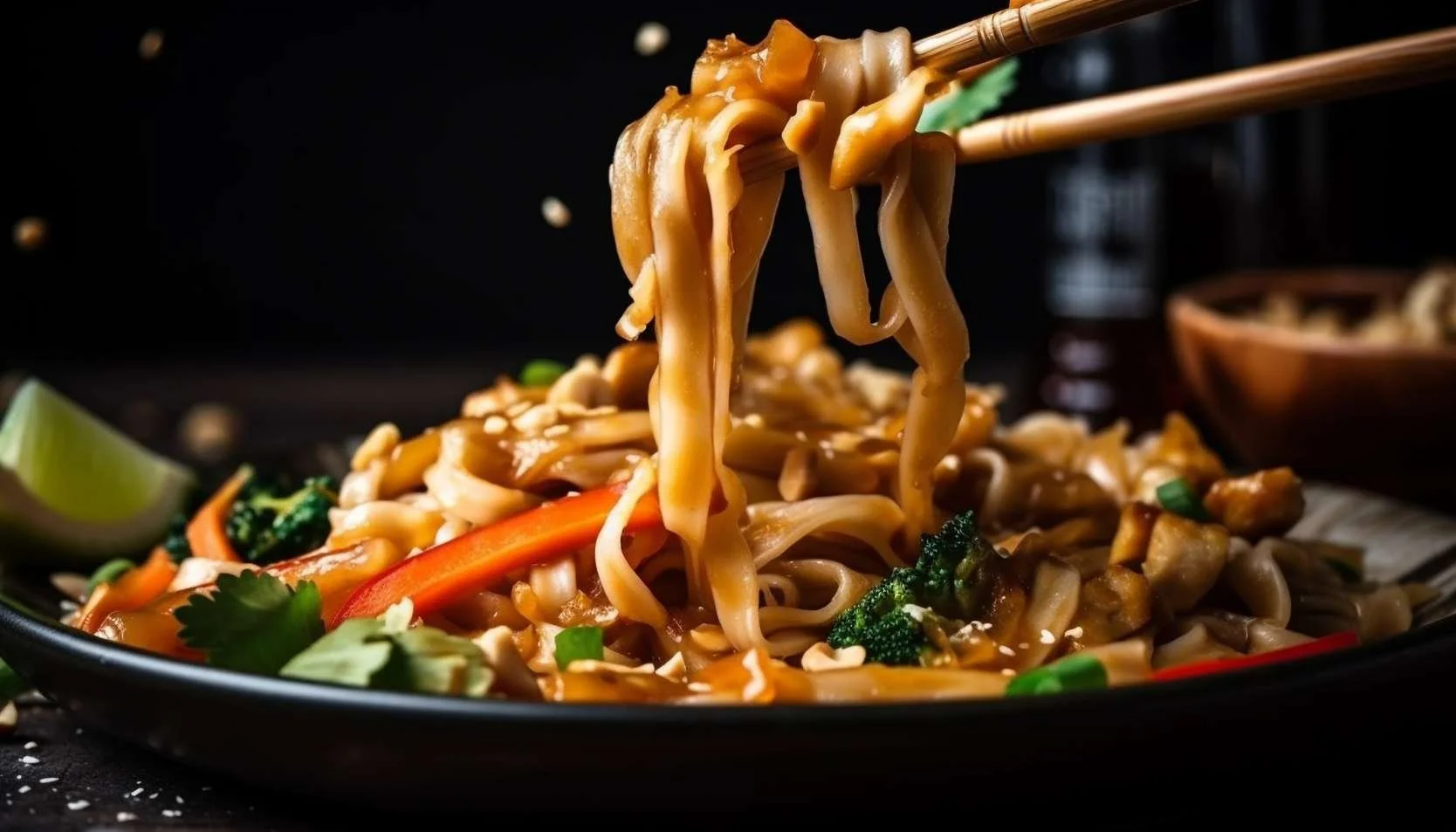
Longevity noodles have a long and storied place in Chinese culinary culture. While noodles themselves have been enjoyed in China for thousands of years, the specific tradition of serving extra-long noodles for birthdays and celebrations became especially meaningful over time.
Ancient Chinese beliefs often linked physical attributes to spiritual or life blessings; the long, unbroken form of noodles came to symbolize an extended life and enduring vitality.
Some historical accounts even connect the practice to early dynasties, such as the Han and Tang, where noodles served as celebratory foods on special occasions.
In Chinese philosophy, food is more than nourishment, it is a medium through which blessings, wishes, and intentions are shared.
Longevity noodles embody that idea beautifully: their length metaphorically represents a long, uninterrupted life. Whether served at a birthday banquet, wedding, or Lunar New Year feast, these noodles express a collective hope for health, happiness, and enduring prosperity.
The Tradition of Eating Noodles Without Breaking Them
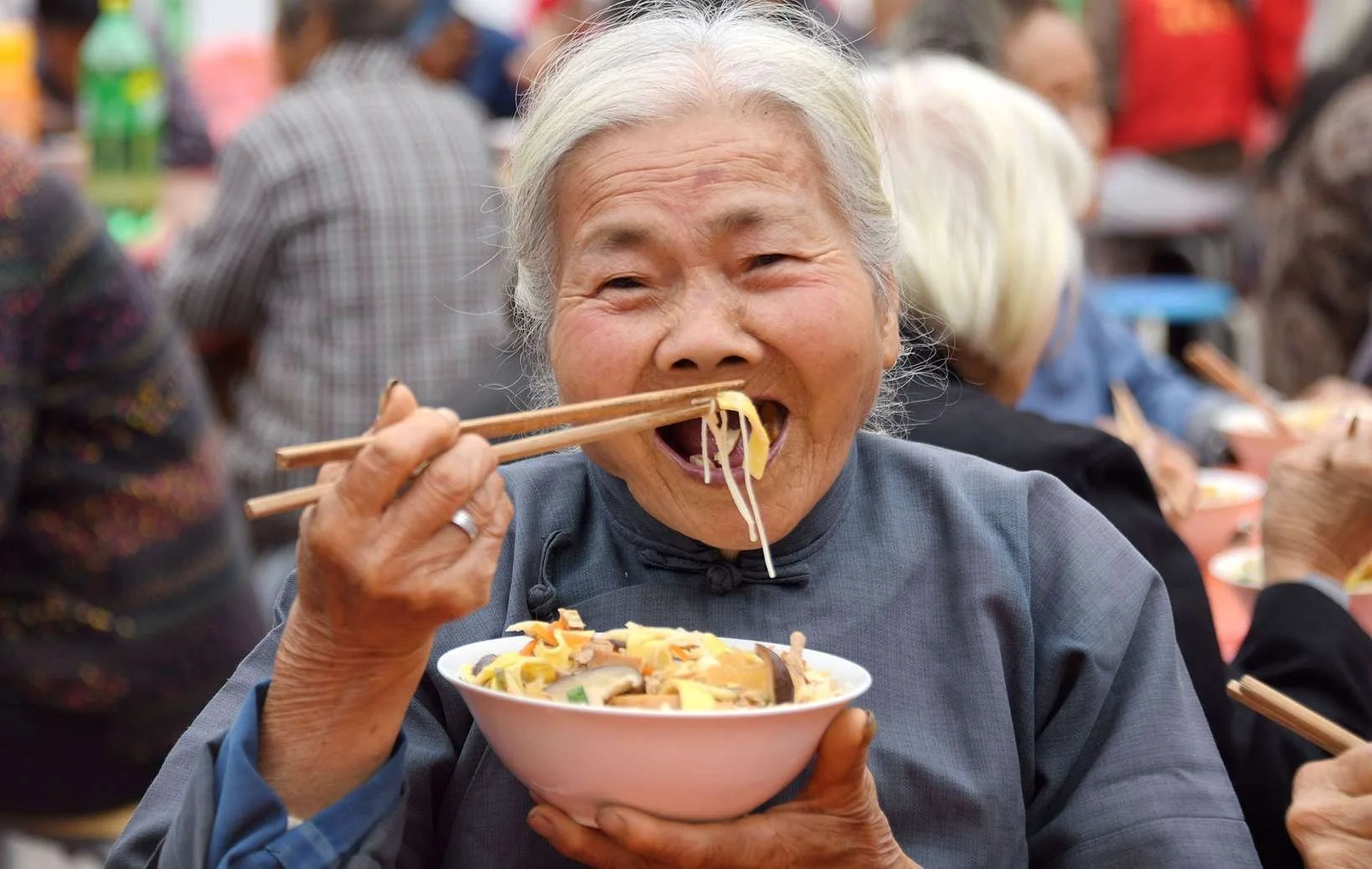
The core ritual of longevity noodles lies in how they are eaten: without breaking the strands. In Chinese tradition, cutting or biting through the noodles is believed to symbolically shorten one’s life, so people strive, sometimes playfully and with jovial competition to slurp the noodles from bowl to mouth in long, continuous stretches.
This practice is especially prominent during birthdays, where the birthday celebrant is encouraged to enjoy the longest possible noodle in one piece. Families gather around the table sharing this symbolic meal, celebrating not just another year, but a wish for many more to come.
Meaningful Ingredients That Bring Good Fortune
While the noodles themselves carry the central symbolism, the ingredients with which they are served also contribute to the richness of the tradition. Every component of the dish can carry auspicious meaning:
1. Vegetables
Green vegetables such as bok choy, choy sum, or Chinese chives are commonly added to longevity noodles. Their vibrant green color symbolizes growth, vitality, and good health, while their freshness represents balance and harmony within the family.
Including vegetables reflects the wish for the celebrant to enjoy a long life filled with wellness and peaceful relationships.
2. Mushrooms
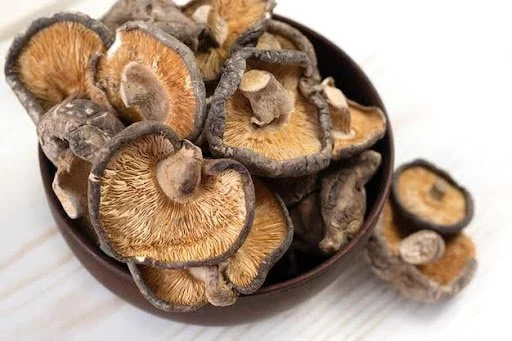
Mushrooms are another meaningful addition. In Chinese culture, mushrooms are associated with prosperity, longevity, and steady growth. Their rich, earthy flavor adds depth to the dish, while symbolically expressing hopes for lasting success and stability throughout life.
Dried mushrooms, in particular, are often used for their intense aroma and traditional value.
3. Proteins
For more elaborate birthday celebrations, longevity noodles are often paired with premium proteins such as chicken, pork, seafood, or even lobster. These ingredients elevate the dish and convey wishes for abundance, achievement, and prosperity.
Seafood, in particular, symbolizes wealth and good fortune, while premium proteins reflect how highly the celebrant is valued and respected.
Long Life Birthday Noodle (Siu Mie/Changsou Mian) in Modern Celebrations
Today, longevity noodles, often called Long Life Birthday Noodles (Siu Mie/Changsou Mian) are featured not only at birthdays but also at major holidays like Chinese New Year, family reunions, and festive banquets.
Beyond the symbolism, these noodles have become beloved staples in Chinese cuisine, offering comfort, connection, and tradition in every bowl.
In modern restaurants and homes alike, the dish continues to be prepared with care, often presented as a highlight of celebratory feasts. At restaurants with rich Chinese culinary heritage like Ocean Dynasty, such dishes may appear on our menu alongside other traditional favorites, inviting diners to experience cultural legacy through flavour.
Long Life by Eating Chinese Birthday Noodles!
Longevity noodles hold a timeless place in Chinese cuisine, connecting generations through the symbolic ritual of eating long, unbroken strands. Whether enjoyed on a loved one’s birthday or as part of a festive gathering, these noodles carry heartfelt wishes for long life, happiness, and family unity.
To bring the rich tradition of Long Life Birthday Noodles (Siu Mie/Changsou Mian) and the spirit of celebration to life, there’s no better place than Ocean Dynasty Bali, where authentic Chinese cuisine meets upscale dining in the heart of Bali.
At Ocean Dynasty, you’ll find expertly prepared longevity noodles on our menu, crafted with premium ingredients and deep respect for cultural symbolism, alongside other classic favorites that honor taste and tradition.
Don’t miss the opportunity to experience these meaningful dishes in person. Make reservations at Ocean Dynasty Bali today to secure your table, or reach out directly by contacting +62 811-1920-9007 (WhatsApp or Call) to tailor your visit and ask about special celebratory options.
It’s time to taste tradition, share joy, and create lasting memories, book now and let Ocean Dynasty Bali elevate your next celebration!
FAQ
What are longevity noodles and why are they eaten?
Longevity noodles, also known as yi mein or long life noodles, are specially prepared long strands of noodles served during birthdays and festivals to symbolize wishes for a long and healthy life.
Why should longevity noodles not be cut or broken?
In Chinese tradition, cutting the noodles is believed to shorten one’s life, so eating them unbroken represents an unbroken, long life.
What kinds of ingredients accompany longevity noodles?
Common complementary ingredients include mushrooms, bok choy, Chinese chives, meats, and seafood. Each carrying additional symbolic meanings like prosperity, harmony, and abundance.
Are longevity noodles only served on birthdays?
While especially associated with birthdays, longevity noodles are also served at Lunar New Year celebrations, weddings, and other festive occasions where wishes for health and good fortune are shared.
Can longevity noodles be made at home?
Yes, many families prepare them at home with simple ingredients like wheat or egg noodles, vegetables, and a light sauce or broth. The key is keeping the noodles long and uncut to honor the tradition.