How Chinese Cooking Wine Enhances Seafood Flavors
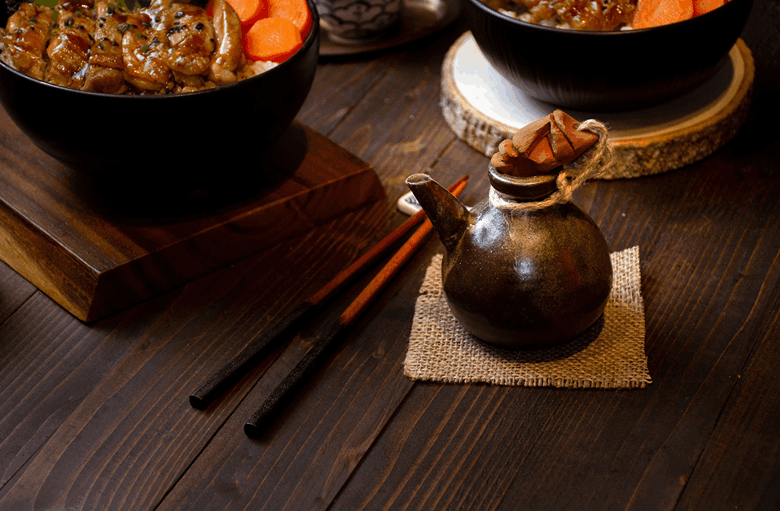
Have you ever wondered why seafood dishes at Chinese restaurants taste incredibly fresh, fragrant, and somehow more alive than when you cook them at home? The secret isn’t just in the wok or the chef’s lightning-fast stir-fry skills—it’s often Chinese cooking wine, especially Shaoxing wine or rice wine.
Let’s dive into how Chinese cooking wine works its magic on seafood and why it deserves a permanent spot in your kitchen.
What Is Chinese Cooking Wine?
Chinese cooking wine is an alcoholic ingredient traditionally used to enhance flavor, reduce unwanted odors, and balance dishes. The most popular types used for seafood are:
A. Shaoxing Wine
Made from fermented rice
Amber-colored with a complex aroma
Slightly sweet, nutty, and savory
The most commonly used cooking wine in Chinese cuisine
B. Rice Wine (Mijiu)
Lighter and clearer than Shaoxing
Mildly sweet and clean-tasting
Great for delicate seafood dishes
Why Seafood Needs Cooking Wine
Seafood is undeniably delicious, but it can sometimes have that unmistakable fishy smell. This aroma usually comes from natural compounds like trimethylamine, which become stronger as fish and shellfish age.
Even very fresh seafood can release these smells once heat is applied, which is why managing aroma is such an important part of seafood cooking.
This is exactly where Chinese cooking wine steps in like a culinary superhero. When added during marination or poured into a hot wok, the wine helps neutralize those unpleasant odors instead of just masking them.
The alcohol binds with the smell-causing compounds and evaporates quickly with heat, carrying the fishy aroma away and leaving the seafood smelling clean and inviting.
Beyond odor control, cooking wine also plays a big role in flavor. It gently enhances the natural sweetness of seafood, adds depth and complexity, and helps other seasonings—like ginger, garlic, and soy sauce—absorb more evenly.
Without cooking wine, seafood can taste flat or overly oceanic. With it, the dish becomes fragrant, balanced, and truly restaurant-worthy.
How Cooking Wine Eliminates Fishy Smell
This is one of the most important—and often misunderstood—functions of cooking wine in seafood dishes. Many people think cooking wine simply covers up unpleasant odors, but in reality, it works in a much smarter and more effective way.
When cooking wine is added to seafood, the alcohol interacts directly with the compounds responsible for fishy smells. Alcohol binds with these odor-causing molecules, and once heat is applied, those compounds evaporate.
As the alcohol vapor rises, it carries the unwanted fishy smell away with it. In simple terms, cooking wine actually actively removes it during the cooking process.
When to Add Cooking Wine into Chinese Cuisine?
Timing plays a huge role in how effective cooking wine is. Adding it during marination helps neutralize odors early, before the seafood even hits the heat. Pouring it in right after the seafood touches a hot wok allows the alcohol to react immediately with both heat and aroma compounds.
For the best results, many chefs add the wine along the sides of the wok, where the heat is most intense. This ensures fast evaporation and maximum odor removal.
The Aromatic Magic: When Wine Meets a Hot Wok
If you’ve ever watched a chef splash cooking wine into a blazing-hot wok and instantly smelled that rich, mouthwatering aroma, you already know how powerful this moment is. It’s one of the defining experiences of Chinese cuisine.
As soon as the wine hits the hot metal, the alcohol evaporates almost instantly. This rapid evaporation releases aromatic compounds trapped inside the wine, transforming the smell in seconds.
What starts as something sharp quickly becomes rich, savory, and deeply inviting. This reaction creates what Chinese chefs call “wok hei”—that smoky, irresistible fragrance that defines great stir-fried seafood.
The Flaming Technique: Flavor Meets Drama
Now let’s talk about the most exciting part which is flaming. This is where flavor and performance come together.
When cooking wine is poured into an extremely hot wok, it can briefly ignite. This quick burst of flame burns off any harsh alcohol notes almost instantly, intensifies the aroma, and creates a stunning visual effect.
While it looks dramatic, this technique actively improves the flavor of the dish. Professional chefs love the flaming technique because it adds excitement at the dining table and signals high heat and confident control.
More importantly, it enhances flavor without introducing bitterness. You’ll often see flaming used in dishes like stir-fried prawns, lobster with ginger and scallions, or clams and crab cooked in fragrant wine-based sauces.
At home, flames aren’t necessary—using high heat alone is enough to safely release those same delicious aromas.
Cooking Wine as a Flavor Bridge
One of the most underrated roles of cooking wine is how it connects and balances flavors. Seafood dishes often combine strong aromatics and seasonings such as ginger, garlic, scallions, soy sauce, and sesame oil. Without balance, these flavors can easily clash or overpower one another.
Cooking wine acts like a translator between ingredients, helping them blend smoothly instead of competing for attention. Ginger becomes warm and fragrant rather than sharp, garlic smells aromatic instead of raw, and soy sauce tastes round and savory rather than overly salty.
The result is a harmonious seafood dish that feels balanced, layered, and satisfying from the very first bite to the last.
Best Seafood Dishes That Use Cooking Wine
Here are some classic examples where Chinese cooking wine truly shines:
1. Live Prawn Flaming with Chinese Rice Wine
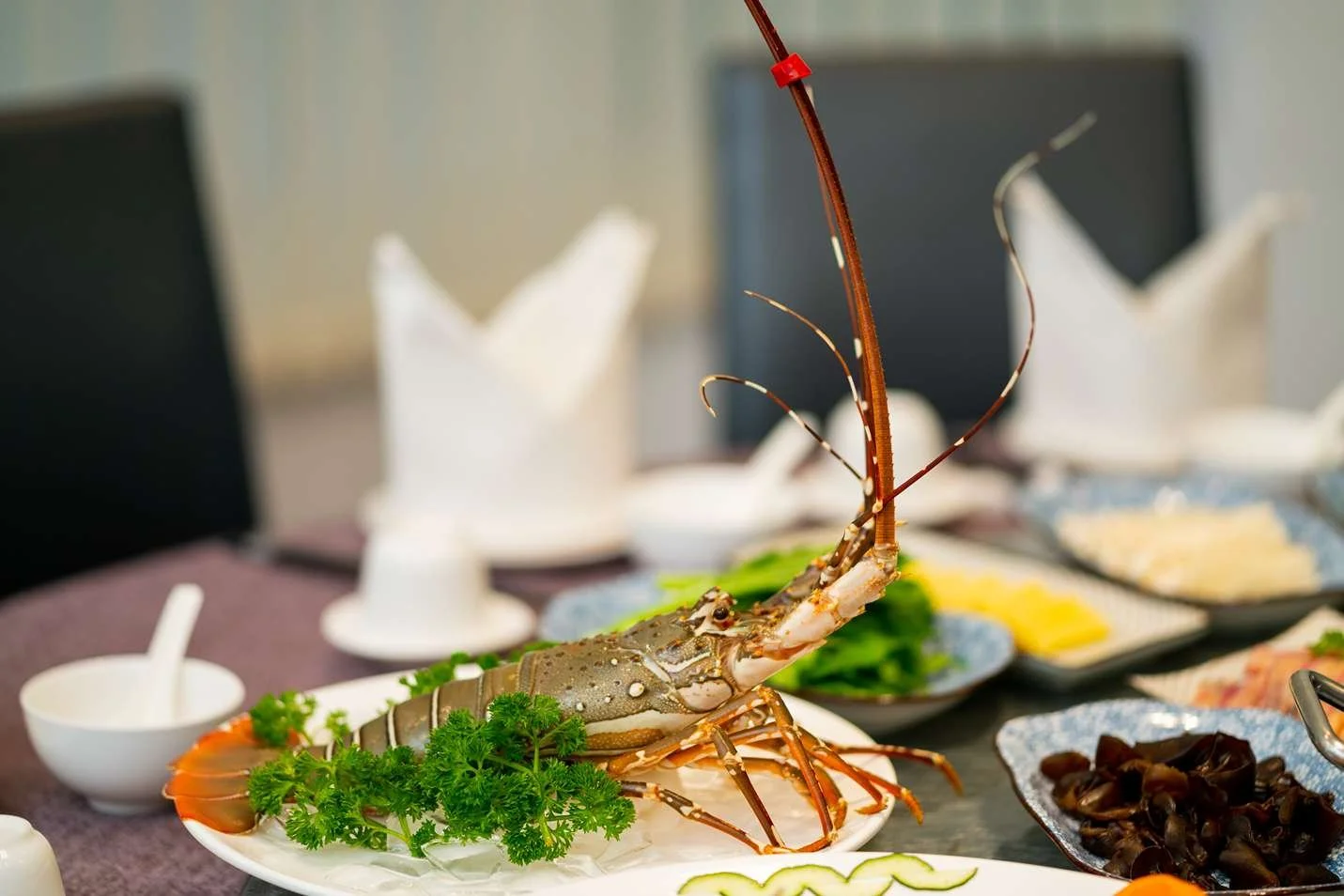
This dish is a true showstopper on the Ocean Dynasty menu. When Chinese rice wine is poured over the sizzling live prawns, it instantly releases a rich, savory aroma while eliminating any seafood odor.
The brief flaming moment adds theatrical flair at the table and enhances the prawns’ natural sweetness, creating a dish that is fragrant, juicy, and deeply flavorful from the very first bite.
2. Poached Clam Asari with Ginger & Rice Wine
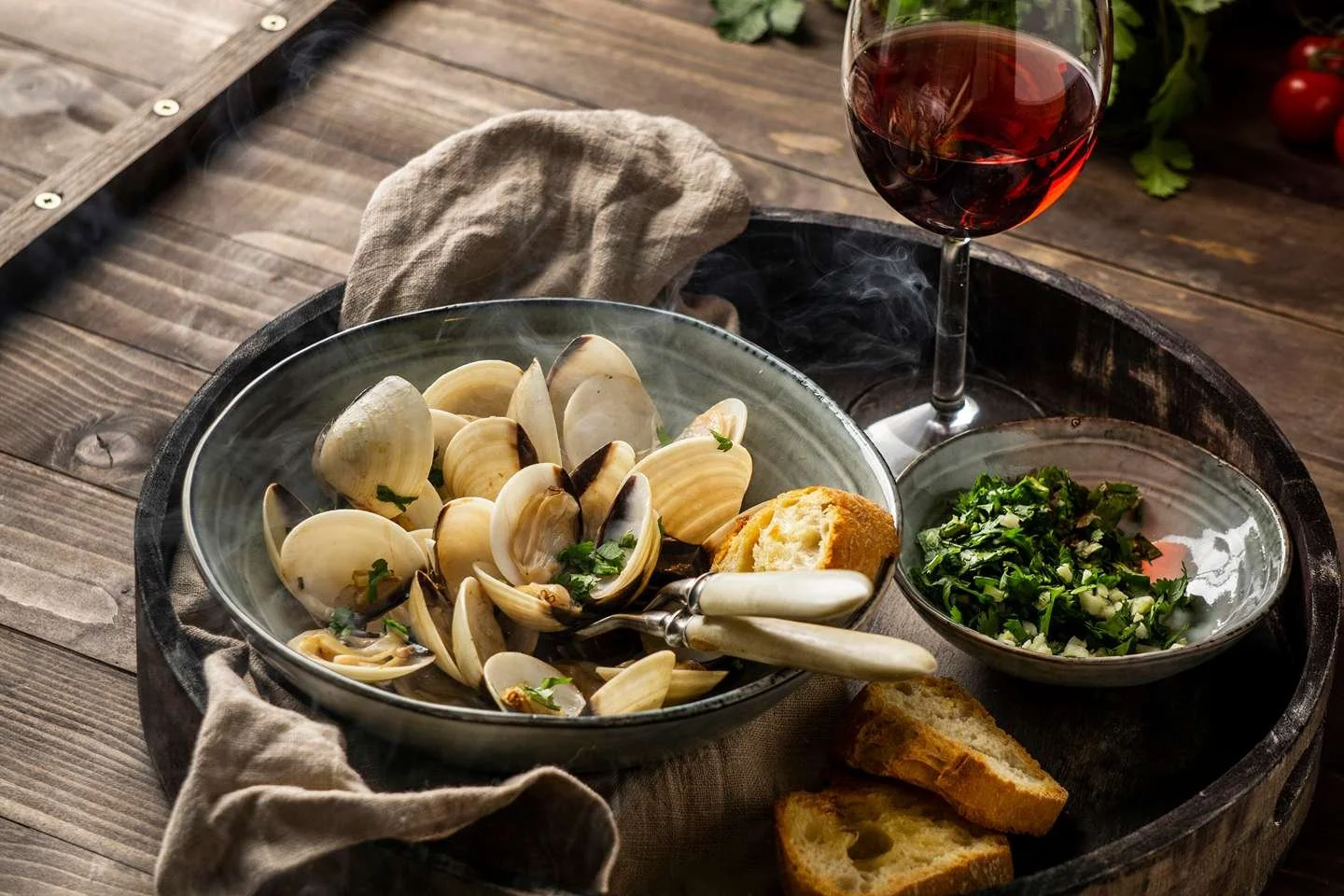
Delicate yet full of character, this dish highlights how cooking wine elevates subtle seafood flavors. The rice wine gently lifts the clams’ natural brininess, while fresh ginger adds warmth and freshness.
The result is a clean, aromatic broth and tender clams that taste comforting, refined, and perfectly balanced.
Elevate Your Dining Moments with Ocean Dynasty’s
If reading about these dishes has made your mouth water, there’s only one thing left to do—experience them for yourself at Ocean Dynasty, where some of the best Chinese cuisine in Bali comes to life at the table.
From the aroma of flaming rice wine to the delicate balance of ginger, seafood, and heat, every dish is crafted to delight both your senses and your appetite. Before you visit, be sure to explore our full menu to discover what makes Ocean Dynasty truly special.
And for the best dining experience, don’t forget to book your reservation in advance—whether through WhatsApp, a phone call, or the website—so everything is perfectly prepared for your arrival. Come hungry, come curious, and let Ocean Dynasty show you how unforgettable Chinese dining in Bali can be.
FAQ
Can I skip cooking wine when cooking seafood?
You can, but the dish may smell fishier and taste flatter. Cooking wine greatly improves aroma and balance.
What’s the best substitute if I don’t have Shaoxing wine?
Dry sherry is the closest substitute. In a pinch, use rice wine or even mirin (reduce sugar elsewhere).
Is Chinese cooking wine safe for kids?
Yes. The alcohol evaporates during cooking, leaving only aroma and flavor.