More Than Just a Drink: A Guide to Chinese Tea Culture and Food Pairing

Tea in China is so much more than a simple drink. It’s a thread woven through thousands of years of history, culture, ceremony, and cuisine, from its legendary discovery to how it enhances every bite at a modern Chinese family dinner or pairs perfectly with dim sum, spicy entrée, or delicate dessert.
Whether you’re perusing our beverages menu at a restaurant or planning reservations for a special meal, knowing Chinese tea culture adds depth, deliciousness, and respect to your experience. So, let’s dive in!
Short History of Chinese Tea
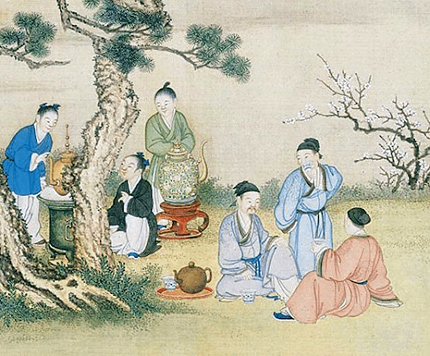
Tea’s origins in China date back thousands of years. According to ancient legend, tea was accidentally discovered around 2737 BCE by Emperor Shennong, who noticed aromatic leaves from a wild tea plant drifting into his boiling water and the refreshing result became the world’s first brewed tea.
Tea didn’t become widespread until the Tang Dynasty (618–907 CE), the period when tea truly became part of mainstream culture. It was during this golden era that tea went from being a simple remedy to a symbol of hospitality, artistry, and social engagement.
Buddhist monks popularized tea to keep alert during long meditation sessions, and trade routes like the Tea Horse Road helped distribute tea far beyond China’s borders.
One of the most influential figures in tea history is Lu Yu, revered as the Sage of Tea. His work The Classic of Tea (茶经) was the world’s first comprehensive book on tea, exploring cultivation, preparation, and appreciation. It helped solidify tea’s cultural significance and provided a foundation for centuries of tea knowledge.
From Leaf to Cup: The Types of Chinese Tea
All Chinese teas come from the same plant, Camellia sinensis but different processing methods produce a wide range of flavors, aromas, and textures. Here are the most important categories:
1. Green Tea
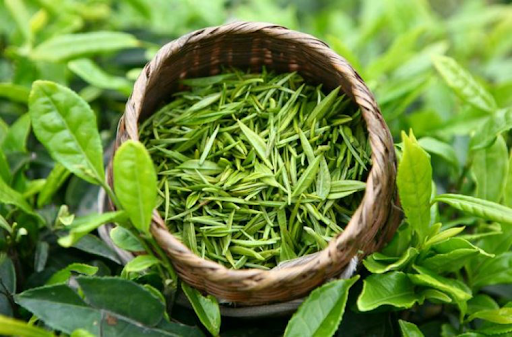
Green tea is unoxidized, preserving fresh, grassy notes and a light body. Some of the most famous Chinese varieties include Longjing (Dragon Well) and Xinyang Maojian, both prized for clarity of flavor and subtle aroma.
These teas are often enjoyed before or during a meal, as they cleanse the palate and prepare your senses for rich flavors.
2. Yellow Tea
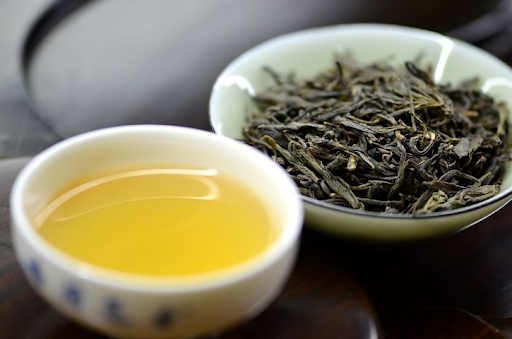
Similar to green tea but with an extra step of sealed yellowing, yellow tea is mellower and slightly sweet, offering a smooth, gentle flavor ideal for pairing with delicate dishes.
3. White Tea
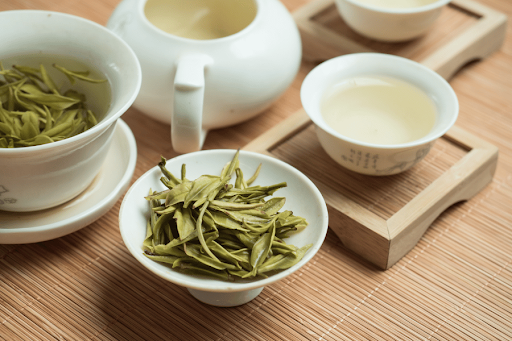
This minimally processed tea uses young leaves and buds with fine downy hairs, resulting in a delicate, lightly sweet cup that pairs wonderfully with light desserts and fruit garnishes.
4. Oolong Tea
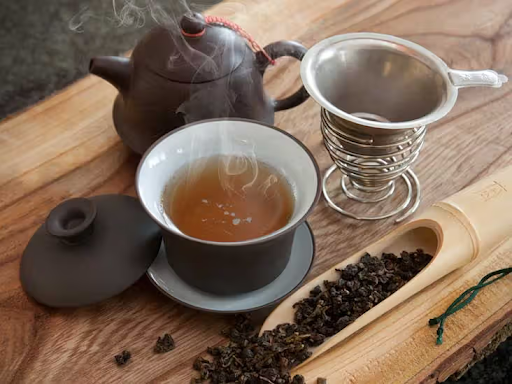
Oolong teas range from lightly floral to richly roasted, and iconic examples like Tieguanyin are complex and aromatic. Oolong works beautifully throughout a multi-course meal, bringing out both floral and savory notes.
5. Black Tea (Hong Cha)
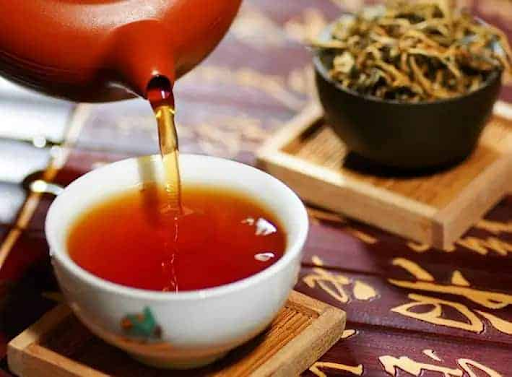
Fully oxidized teas, known in China as hong cha, have bold, robust flavors with malty or smoky notes. They complement heartier, spicier dishes and provide a satisfying contrast to rich flavors.
6. Dark Tea (Pu-erh)
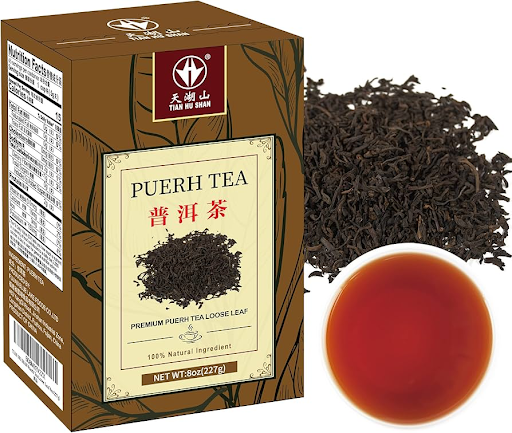
Pu-erh undergoes fermentation, giving it a deep, earthy taste that is traditionally served after heavy, fatty meals to help with digestion and refresh the palate.
More Than a Ritual: Tea Drinking Etiquette in China
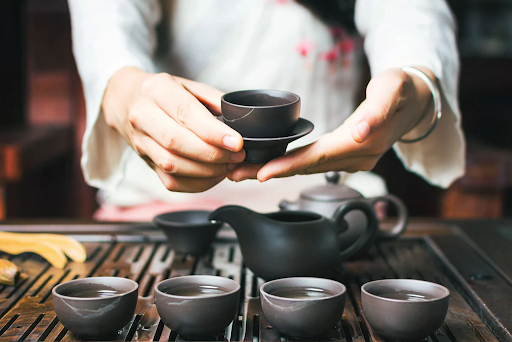
Tea drinking in China is rich with etiquette that reflects respect, harmony, and cultural values. Whether you’re visiting a friend, attending a formal banquet, or simply enjoying tea with dessert, these practices help you engage with tradition:
1. Serving and Receiving Tea
Tea is often served by hosts to guests as a sign of respect, especially elders or honored visitors. In formal settings, it’s polite to accept tea with both hands. Offering the first pour to the eldest person at the table is customary.
2. Expressing Gratitude
A charming custom during tea service is tapping two fingers lightly on the table to say thank you when someone pours tea for you. This gesture has historical roots and is a quiet, respectful acknowledgment.
3. Tea and Symbolism
Tea also plays roles in family events like weddings and festivals. At traditional weddings, a bride and groom may serve tea to their parents as a gesture of gratitude and respect.
Dining Etiquette Context

In Chinese dining culture, meals are about respect and togetherness. During shared meals, the eldest person or guest of honor is usually served first as a sign of respect.
Simple gestures like pouring tea for others or offering dishes from the center of the table show care, politeness, and warmth. Tea also plays an important role, blending naturally into dining etiquette as a way to strengthen bonds and create a sense of community around the table.
Chinese Tea and Food Pairing

Here are some pairing ideas often appreciated in Chinese cuisine:
Green Tea & Seafood: The fresh, crisp notes of green tea cut through the richness of seafood and light poultry, refreshing the palate for each bite.
Oolong & Dim Sum: Versatile oolong from floral to roasted pairs beautifully with a variety of dim sum selections.
Black Tea & Bold Dishes: Heartier dishes like braised pork or spicy Szechuan entrees find a flavorful companion in robust black teas that balance spice and oil.
Pu-erh After Meals: Served at the end of a rich dinner, Pu-erh tea is believed to aid digestion and leave your palate refreshed.
Chinese Tea Culture is Amazing!
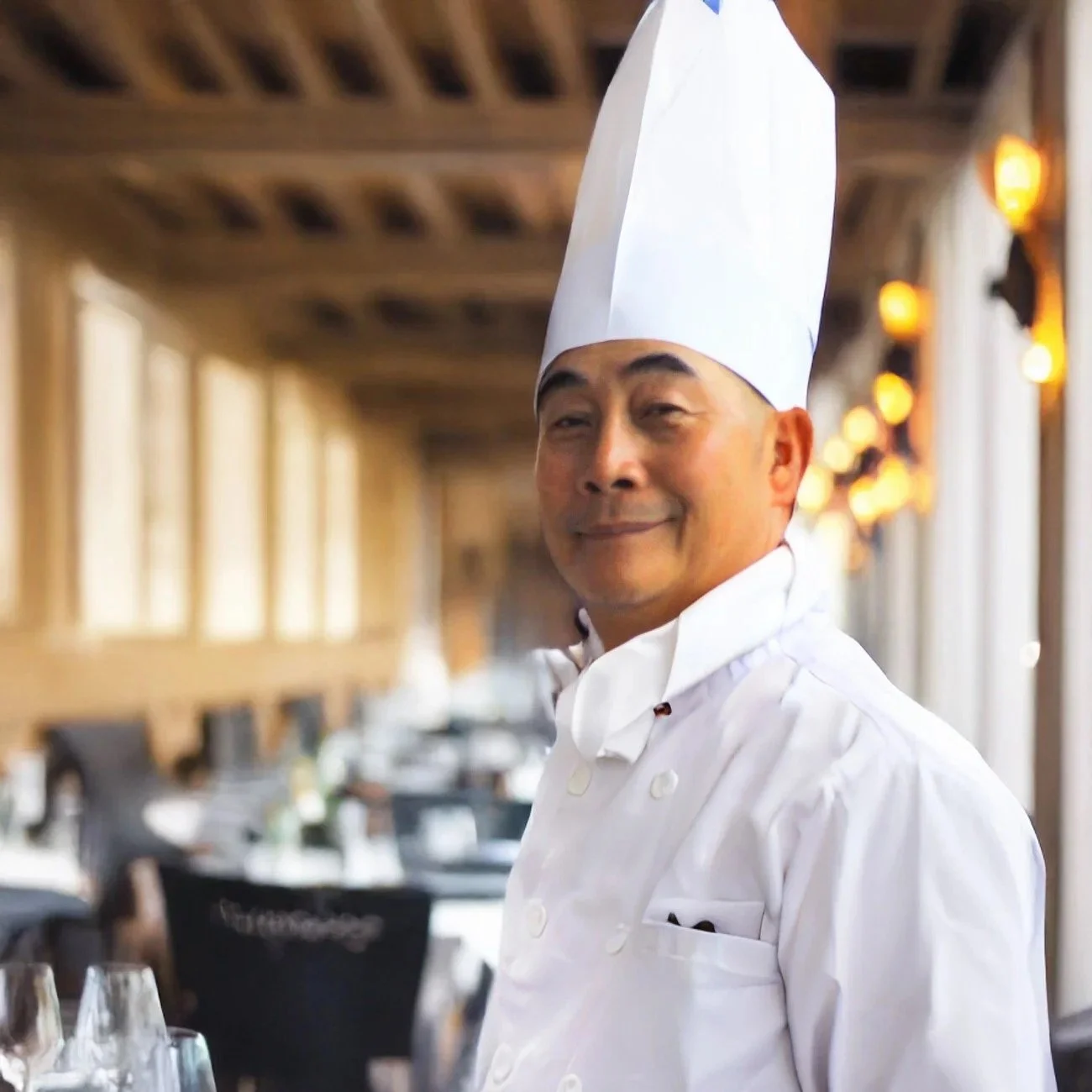
To conclude your exploration of Chinese tea and food pairing, picture ending a memorable Chinese family dinner at Ocean Dynasty Bali. A refined live seafood and Cantonese fine dining destination where tradition meets luxury.
Featuring live tanks of premium seafood like lobster, crab, prawns, and shellfish, each dish is prepared using authentic Hong Kong techniques with subtle Southeast Asian influences, creating flavors that are both elegant and unforgettable.
More than just a restaurant, Ocean Dynasty Bali is a complete dining destination for celebrations, business dinners, or special nights out. With opulent interiors, attentive service, private dining rooms, and a thoughtfully curated cocktail and tea bar, every detail is designed to elevate your experience.
If you’re ready to enjoy this exceptional blend of cuisine and beverages firsthand, make a reservation at Ocean Dynasty Bali or contact +62 811-1920-9007 (WhatsApp or Call) to secure your table and plan a truly remarkable dining experience.
FAQ
Why is tea so important in Chinese culture?
Tea has been central to Chinese life for thousands of years. It’s deeply embedded in history, arts, rituals, and daily routines.
What is the best tea for pairing with food?
There’s no single “best” tea, but all matters to preferences. Lighter teas like green or white work well with delicate dishes, robust black teas balance spicy, rich foods, and earthy Pu-erh is excellent after heavy meals.
Is tea served instead of other drinks in Chinese restaurants?
Yes, in many traditional Chinese restaurants tea is commonly served in place of water and is an expected part of the dining experience.