What Is Mala? Understanding the 'Numbing Spicy' Sensation
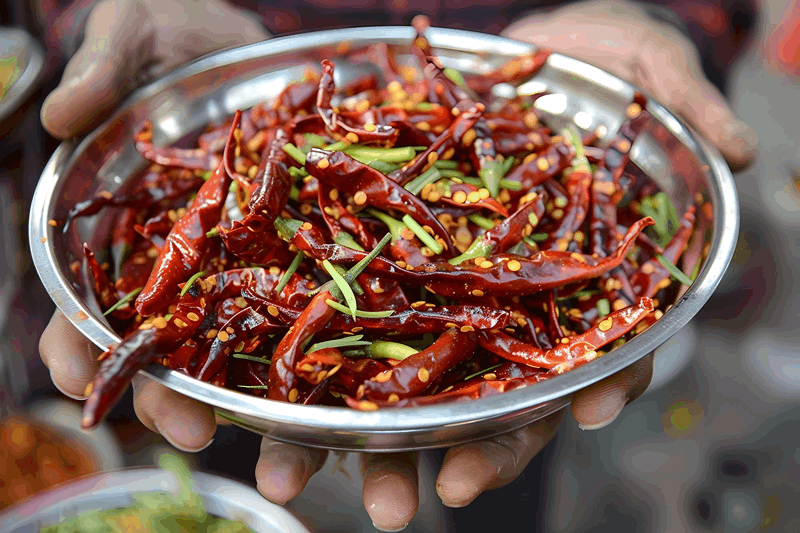
Mala (麻辣) is one of the most iconic flavor experiences in Sichuan cuisine, a deliciously bold sensation that combines numbing and spicy heat in every bite. Whether you’ve felt your tongue tingle after tasting a fiery hotpot or experienced lips buzzing after chili-drenched stir-fry, you’ve likely encountered mala.
But what exactly causes this unique feeling? Why does it feel both numbing and hot at the same time? And what makes dishes featuring this flavor so addictive? Let’s dive in!
What Does “Mala” Mean?
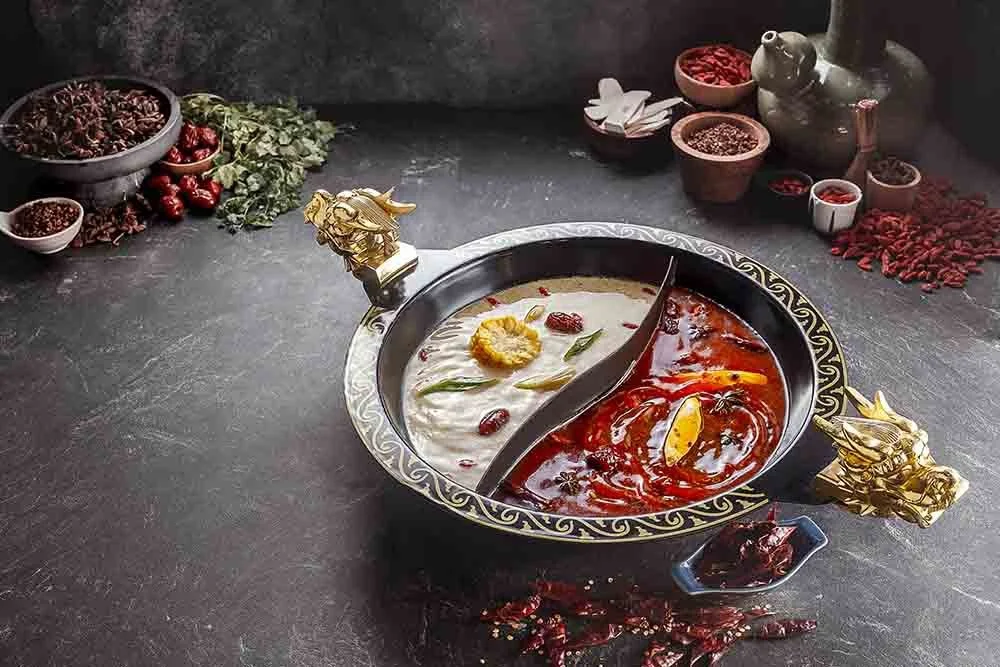
“Mala” is a Chinese term made of two characters: 麻 (má) meaning numbing and 辣 (là) meaning spicy or hot. Together, they describe a flavor sensation that is simultaneously fiery and tingling, a hallmark of many dishes from Sichuan province in southwestern China.
In essence, mala is not just spice, but a textural experience that plays with your senses in a way few other cuisines do.
The Science Behind the Numbing Sensation
So what makes mala mala? The secret lies in a chemical compound called hydroxy-alpha-sanshool.
This compound is found in Sichuan peppercorns, a spice that’s essential to mala flavor. Unlike regular black pepper, Sichuan peppercorns aren’t actually pepper at all. Instead, they are the dried husks of the prickly ash tree.
When hydroxy-alpha-sanshool touches your tongue, it interacts with receptors in your mouth that normally sense touch and pressure, not heat. The result? A vibrating, tingling, almost buzzing sensation that feels like your lips and tongue are lightly numb.
This effect is completely different from the burning heat caused by chili peppers, yet when they’re combined, they create the classic mala experience.
How Sichuan Pepper Is Processed for Mala
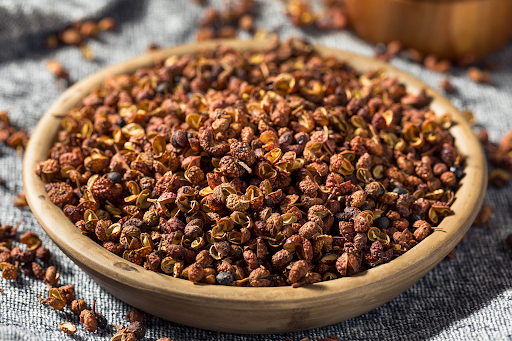
Sichuan peppercorns go through several steps before they become that fragrant, numbing spice used in mala dishes:
A. Harvesting
Harvested when the pepper husks ripen and split open.
B. Drying
The husks are sun-dried or machine-dried. During this process, the aroma and numbing compounds develop.
C. Toasting (Optional)
Some chefs lightly toast the peppercorns to bring out richer aroma and deeper flavor.
D. Grinding
They can be used whole (for texture) or ground into a powder to blend into spice mixes and pastes.
Why Mala Feels Addictive
You might wonder why so many people are drawn to such an intense flavor experience. Mala is appealing because it delivers a unique sensory contrast that few other foods can offer.
The combination of numbing and heat stimulates different receptors in the mouth at the same time, creating a layered sensation that goes beyond simple spiciness. This interplay keeps each bite exciting, making the eating experience feel dynamic rather than repetitive.
Beyond sensation, mala also creates a pleasurable physical response. Spicy foods can trigger the release of endorphins, your body’s natural feel-good chemicals which explains the subtle rush or sense of satisfaction after eating.
At the same time, heat enhances flavor by increasing blood flow and sharpening your sensitivity to aromas, allowing other taste elements in the dish to shine more clearly. Together, these effects make mala not just spicy, but deeply enjoyable and often addictive.
Mala Dishes You Must Try at Ocean Dynasty
If you’re a spice lover or curious to experience authentic mala sensations, our menu offers several dishes that highlight both heat and bold Sichuan flavors. Here are several guaranteed crowd-pleasers you definitely have to choose.
1. Szechuan Hot & Sour Soup (四川酸辣汤)
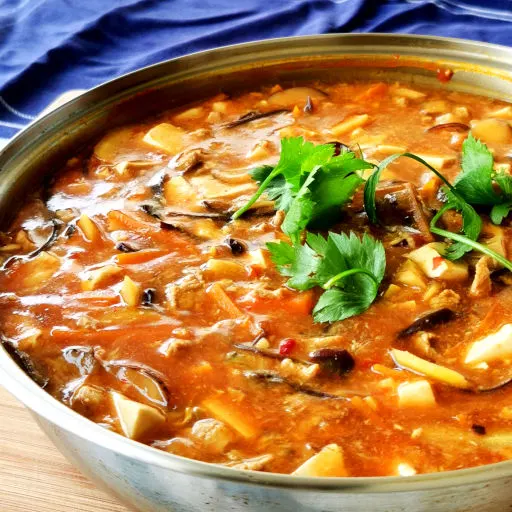
Szechuan Hot & Sour Soup is a comforting bowl with an attitude. This classic soup balances sharp vinegar tang with warming chili heat, finished with a subtle kick of Sichuan pepper that gently numbs your lips. Every spoonful wakes up your senses which is perfect as a fiery starter that sets the tone for what’s coming next.
2. Stir fried Scallop with Szechuan spicy dressing (四川麻辣带子)
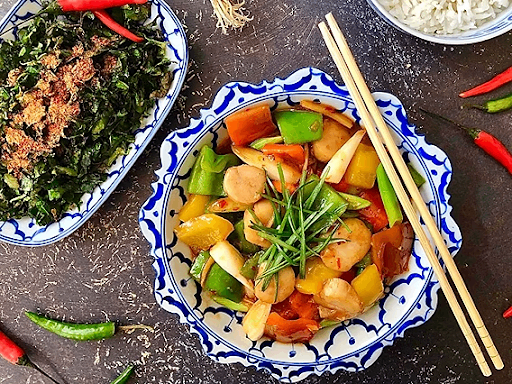
Our next top menu is stir fried scallops with Szechuan spicy dressing, which is juicy scallops with a bold mala dressing that clings to every bite. The natural sweetness of the scallops contrasts beautifully with the spicy, numbing Sichuan peppercorns, creating a luxurious yet exciting flavor explosion that lingers long after the last bite.
3. Sauteed Baby String Beans with Minced Beef in Szechuan Sauce (干偏四季豆)
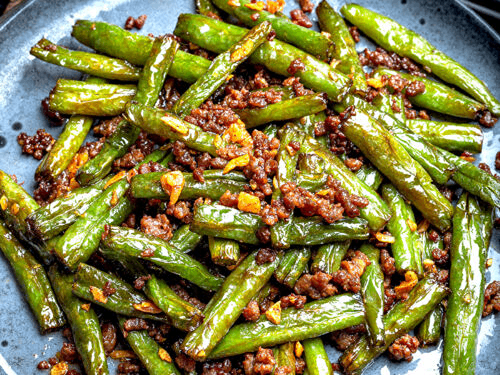
Smoky, crispy baby string beans tossed with savory minced beef, dried chilies, and fragrant Sichuan peppercorns. This dish delivers deep umami with a strong mala punch. One bite, and you’ll understand why this is a Sichuan favorite.
4. Deep Fried Chicken with Chilli (辣子鸡丁)
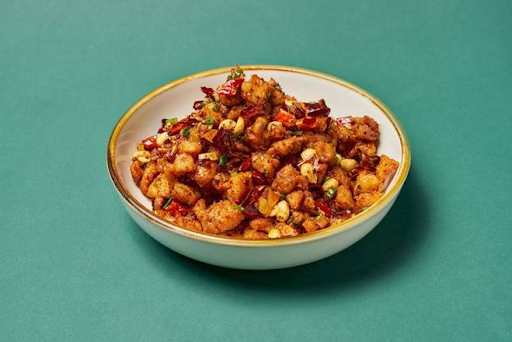
Crispy golden chicken buried under a mountain of dried chilies and Sichuan peppercorns. Don’t be fooled—the chilies aren’t just for show. Each bite is fiery, aromatic, and numbing in the most satisfying way. Crunchy on the outside, juicy inside, and bursting with bold mala flavor.
Try Best Mala Dishes at Ocean Dynasty!
Ready to experience mala for yourself? There’s no better place than Ocean Dynasty Bali to explore the numbing spicy sensation in authentic, expertly prepared dishes. Whether you’re planning a Chinese family dinner or a night out with friends, our kitchen offers bold flavors, balanced heat, and expert spice mastery.
To secure your spot, make reservations now! It’s easy and fast. You can book your table directly through our reservation page: Reserve at Ocean Dynasty Bali or contact us via WhatsApp or Call at +62 811-1920-9007 for immediate assistance. We can’t wait to share the magic of mala with you, one perfectly spicy bite at a time!
FAQ
Is mala the same as “just spicy”?
Not exactly. Mala combines two sensations — numbing from Sichuan pepper, and heat from chili peppers — making it distinct from ordinary spiciness.
Can mala be adjusted for heat level?
Absolutely! At Ocean Dynasty, you can request mild, medium, or extra spicy versions of mala dishes based on your comfort.
Does the numbing sensation mean the food is unhealthy?
Not at all. The tingling is a sensory reaction, it doesn’t harm your mouth. Just drink water or refreshing beverages if the heat feels intense.
Why do some people love mala while others avoid it?
Everyone’s taste system is different. Some people enjoy the buzz and contrast of mala, while others may prefer milder flavors. There’s no right or wrong, just personal preference!
Can kids eat mala dishes?
For younger diners or those sensitive to spice, mild customization is recommended to reduce heat while still enjoying the flavor.