Chinese Dining Etiquette Explained: What to Know Before Your First Authentic Chinese Dinner
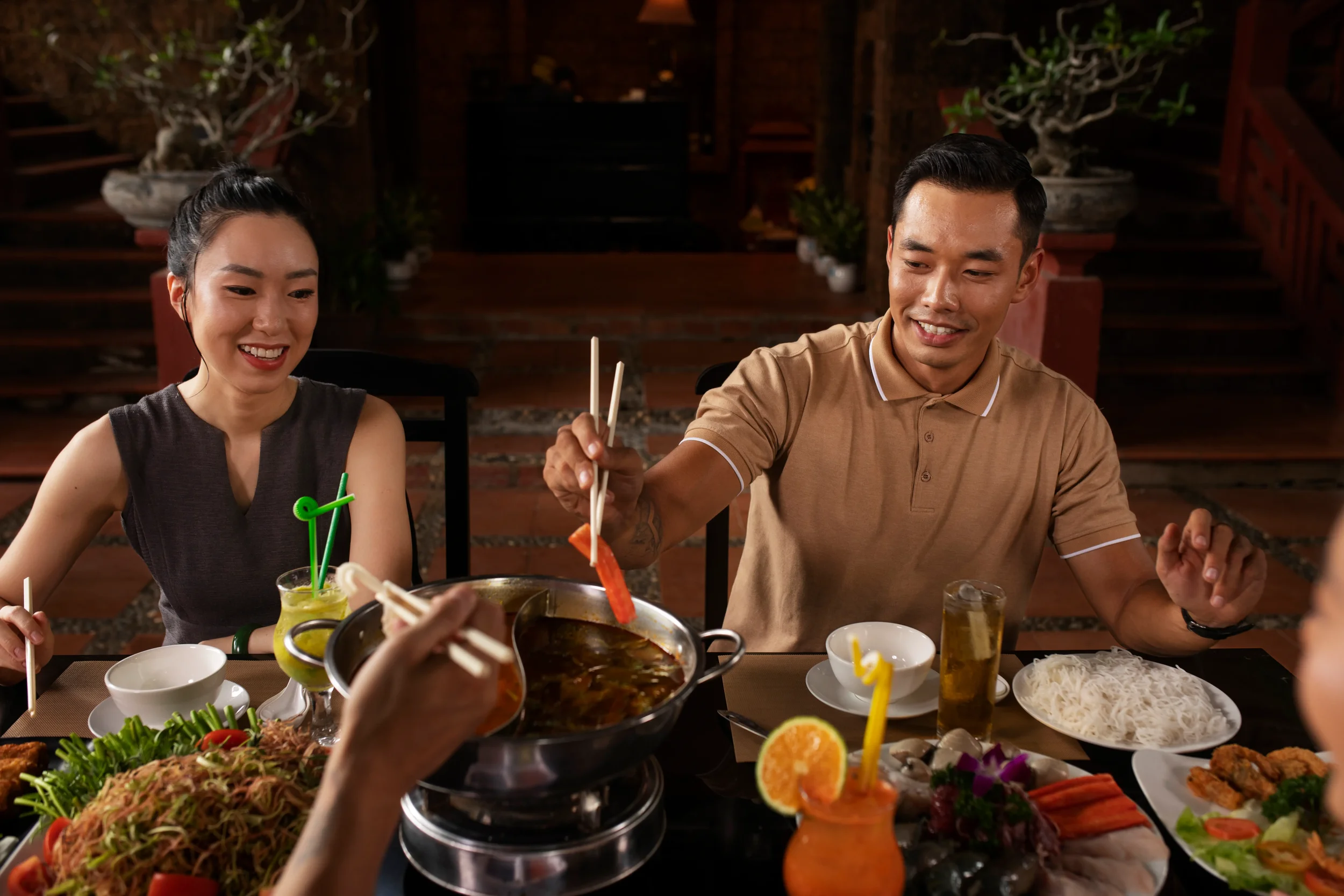
Experiencing an authentic Chinese dinner for the first time can feel exciting, but also a little intimidating. You may wonder which dish to take first, how to use chopsticks properly, or whether there are unspoken rules at the dining table. Unlike many Western-style dining experiences that focus on individual plates and personal portions, Chinese dining is deeply rooted in togetherness, sharing, and respect.
The good news is that Chinese dining etiquette is less about being overly formal and more about showing thoughtfulness toward others at the table. Want to know more? Here’s all about Chinese dining etiquette!
Why Chinese Dining Culture Feels Different
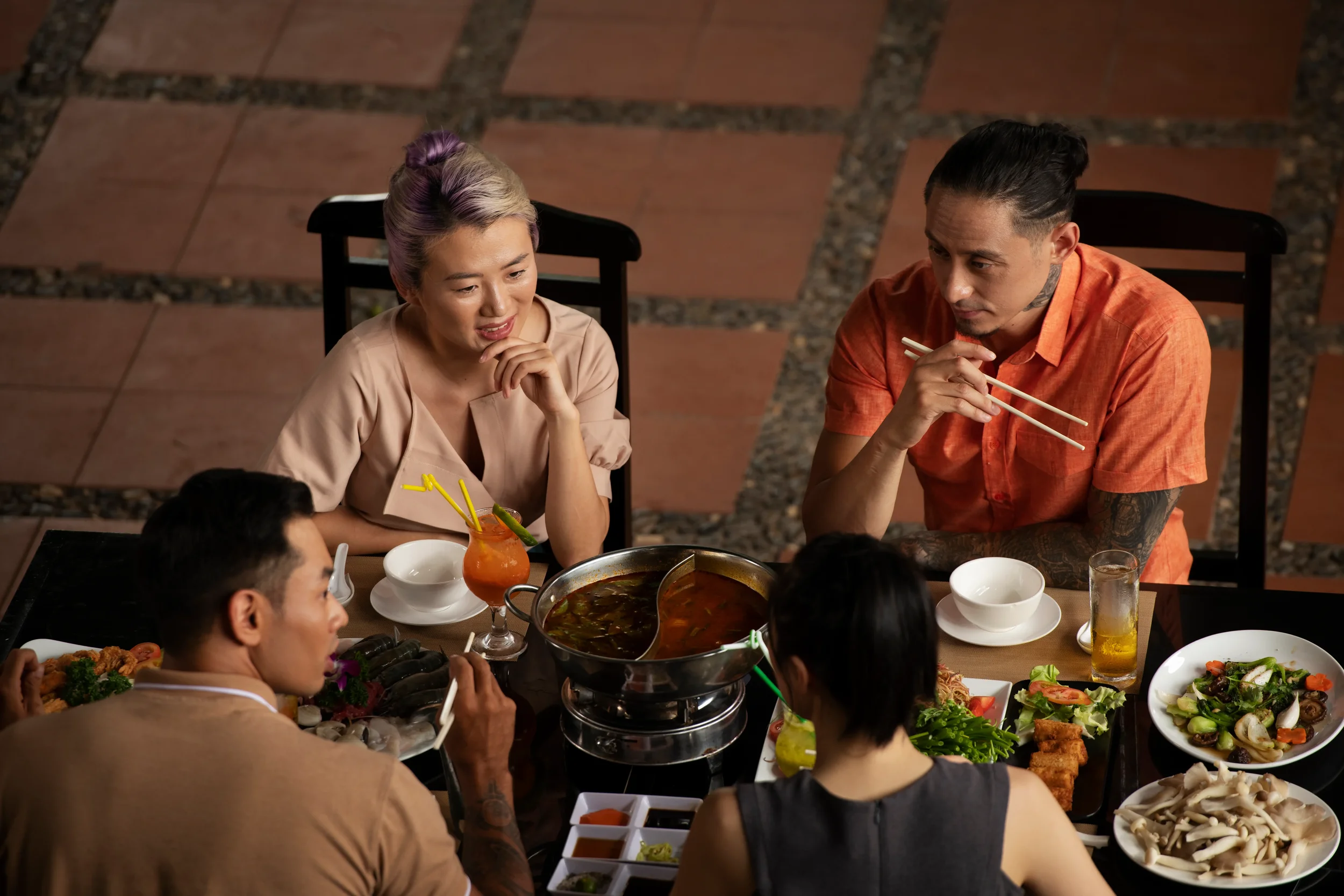
One of the first things many newcomers notice is that Chinese meals are designed for sharing. Rather than ordering one dish per person, the table is typically filled with several dishes placed in the center for everyone to enjoy together.
This approach reflects the importance of family, connection, and harmony in Chinese culture. Meals are often social experiences where conversation, laughter, and shared enjoyment matter just as much as the food itself.
In many Chinese households and traditional restaurants, round tables are preferred because they symbolize equality and togetherness. Everyone can reach the food, participate in conversations, and share the experience equally.
These values are deeply connected to Chinese family dining traditions, where food is considered a way to strengthen relationships and create meaningful moments together.
Understanding Shared Dishes in Chinese Dining
In Chinese dining, several dishes are placed in the middle of the table, and everyone takes small portions to their bowl or plate. For first-timers, this can feel unfamiliar, but it is actually very simple.
Here are a few helpful guidelines:
Take moderate portions instead of large servings at once.
Allow everyone a chance to try dishes before returning for more.
Use serving utensils if provided.
Avoid picking through dishes searching for the “best piece.”
Be mindful of others when reaching for food.
Chopstick Etiquette: What You Should and Shouldn’t Do
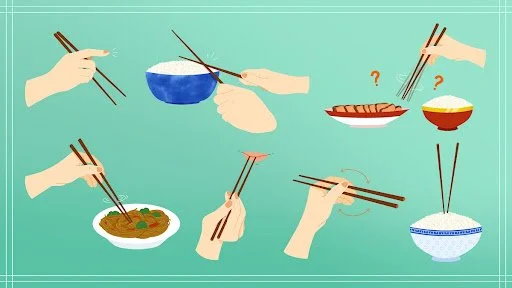
Learning chopstick manners is one of the most important aspects of Chinese dining etiquette. Even if you are not perfect at using chopsticks, people generally appreciate the effort. However, there are a few things you should avoid.
1. Do Use Chopsticks Respectfully
You do not need expert-level skills to enjoy dinner, but holding chopsticks properly and using them calmly shows politeness. If you struggle, many restaurants are happy to provide a spoon or fork, especially for international guests.
2. Don’t Stick Chopsticks Upright in Rice
This is one of the most commonly mentioned etiquette mistakes. Placing chopsticks vertically in a bowl of rice resembles incense offered during memorial rituals and funerals. Because of this association, it is generally considered inappropriate during meals.
3. Don’t Point or Wave Chopsticks
Avoid using chopsticks to point at people or gesture dramatically while talking. They are eating utensils, not pointers. Similarly, avoid tapping bowls or plates with chopsticks, as this may be viewed as impolite.
4. Don’t Spear Food
Try not to stab food with chopsticks like a fork. If something feels difficult to pick up, take your time or ask for help.
5. Don’t Dig Through Shared Dishes
One common beginner mistake is moving food around to find a preferred piece. In shared dining settings, it is considered more respectful to take what is nearest or choose carefully without disturbing the dish.
The Meaning Behind Pouring Tea for Others
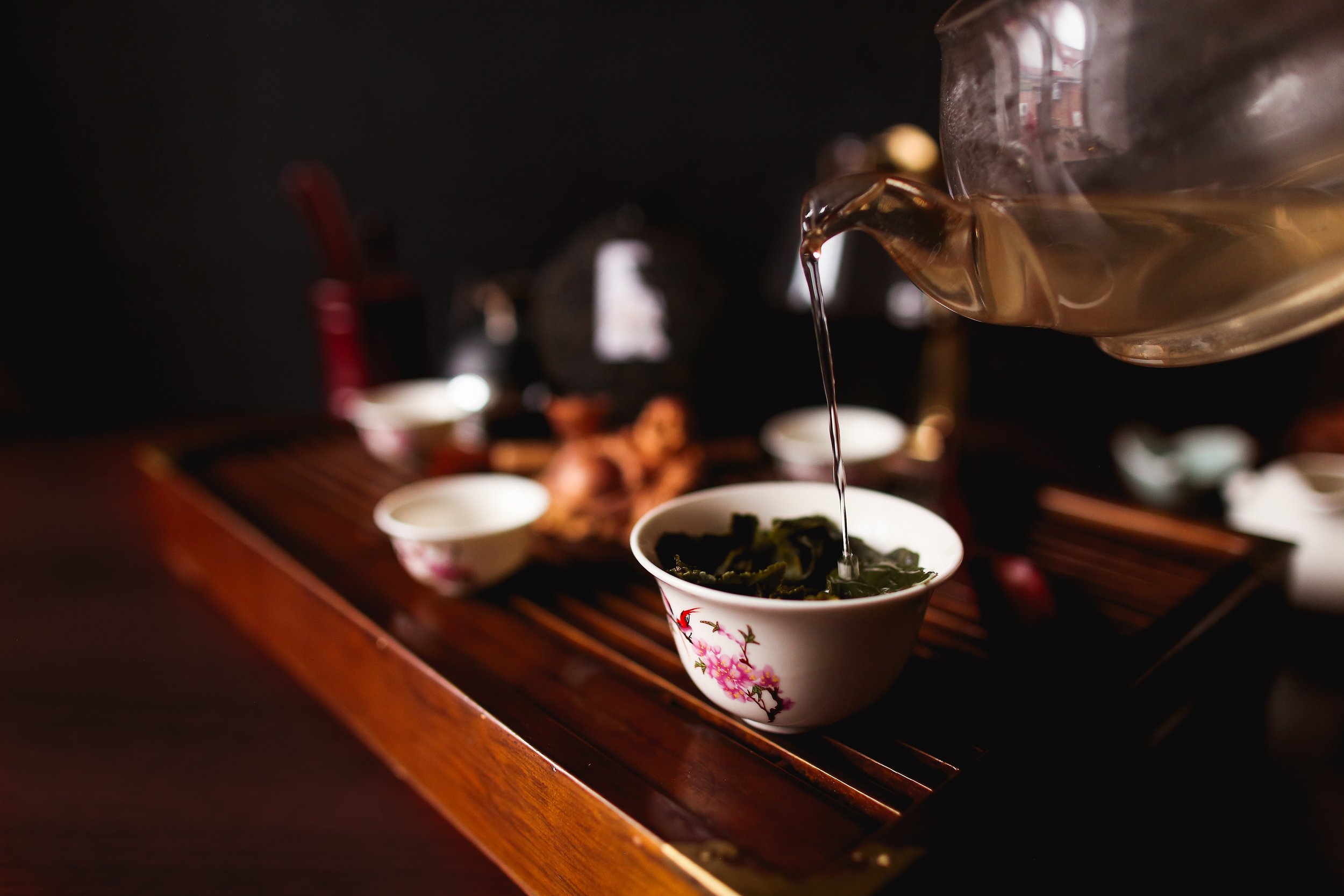
Tea is an important part of Chinese dining and reflects values of hospitality, respect, and attentiveness toward others. During meals, tea is often served continuously, and guests commonly refill one another’s cups rather than focusing only on their own.
This thoughtful habit is closely connected to Chinese tea culture, where offering tea symbolizes care, appreciation, and mutual respect at the dining table.
A simple but meaningful etiquette rule is to offer tea to others when their cup becomes empty before refilling your own. Likewise, when someone pours tea for you, lightly tapping two fingers on the table is traditionally used as a quiet way to say thank you.
While you do not need to memorize every custom, understanding these small gestures can help you feel more connected to the dining experience.
How to Use a Lazy Susan Properly
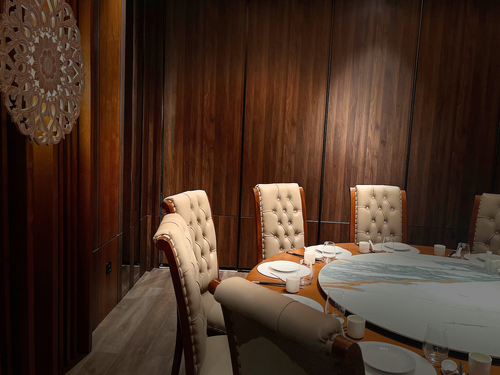
Many authentic Chinese restaurants use round tables with a rotating tray in the center called a lazy susan.For newcomers, this can feel confusing at first, but the etiquette is simple.
1. Rotate Slowly and Gently
Move the tray slowly so everyone can see the dishes and take food comfortably. Avoid spinning it quickly, especially while someone is reaching for food.
2. Wait Until Others Finish Serving
If someone is currently picking food from a dish, wait briefly before rotating the lazy susan. Small moments of patience help create a smoother dining experience.
3. Share Access to Popular Dishes
Some dishes naturally become favorites at the table. Rather than keeping them near your side, rotate the tray so others can enjoy them too. The spirit of Chinese dining is generosity and inclusiveness.
4. Togetherness Matters More Than Individual Plates
Chinese dining focuses more on “our meal” than “my meal,” emphasizing shared dishes, togetherness, and collective enjoyment rather than individual portions. Meals are meant to be enjoyed slowly through conversation, tea, and shared food, with etiquette centered on harmony, respect, and connection at the table.
Enjoying an Authentic Chinese Dining Experience at Ocean Dynasty Bali
Ocean Dynasty Bali offers a welcoming way to experience authentic Chinese dining through round-table seating and family-style meals that encourage guests to share dishes together.
With Cantonese-inspired dishes served in a traditional yet approachable setting, the restaurant provides a comfortable introduction to shared dining culture, especially for first-time visitors or international guests.
The inviting atmosphere makes it easy to enjoy authentic Chinese cuisine, tea service, and traditions such as shared dishes and lazy susan dining without feeling intimidated.
Ready to experience the tradition yourself? Explore Ocean Dynasty Bali’s menu to discover signature dishes perfect for sharing and reserve your table for a memorable dining experience with family or friends.
For reservations or inquiries, contact +62 811-1920-9007 via WhatsApp or call and enjoy the warmth of authentic Chinese dining at Ocean Dynasty Bali!
FAQ
Is it rude if I cannot use chopsticks properly?
Not at all. Making an effort is generally appreciated. Many restaurants also provide spoons or forks for guests who are unfamiliar with chopsticks.
Should I finish all the food on my plate?
Yes, finishing food in your bowl is usually fine. However, since dishes are shared, avoid taking more food than you can comfortably eat.
Can I pour tea only for myself?
It is more polite to check others’ tea cups and offer refills before serving yourself. This small gesture shows consideration.
What should I do if I accidentally break etiquette?
Do not worry too much. Most people understand that newcomers are still learning. Showing politeness, patience, and respect matters more than being perfect.