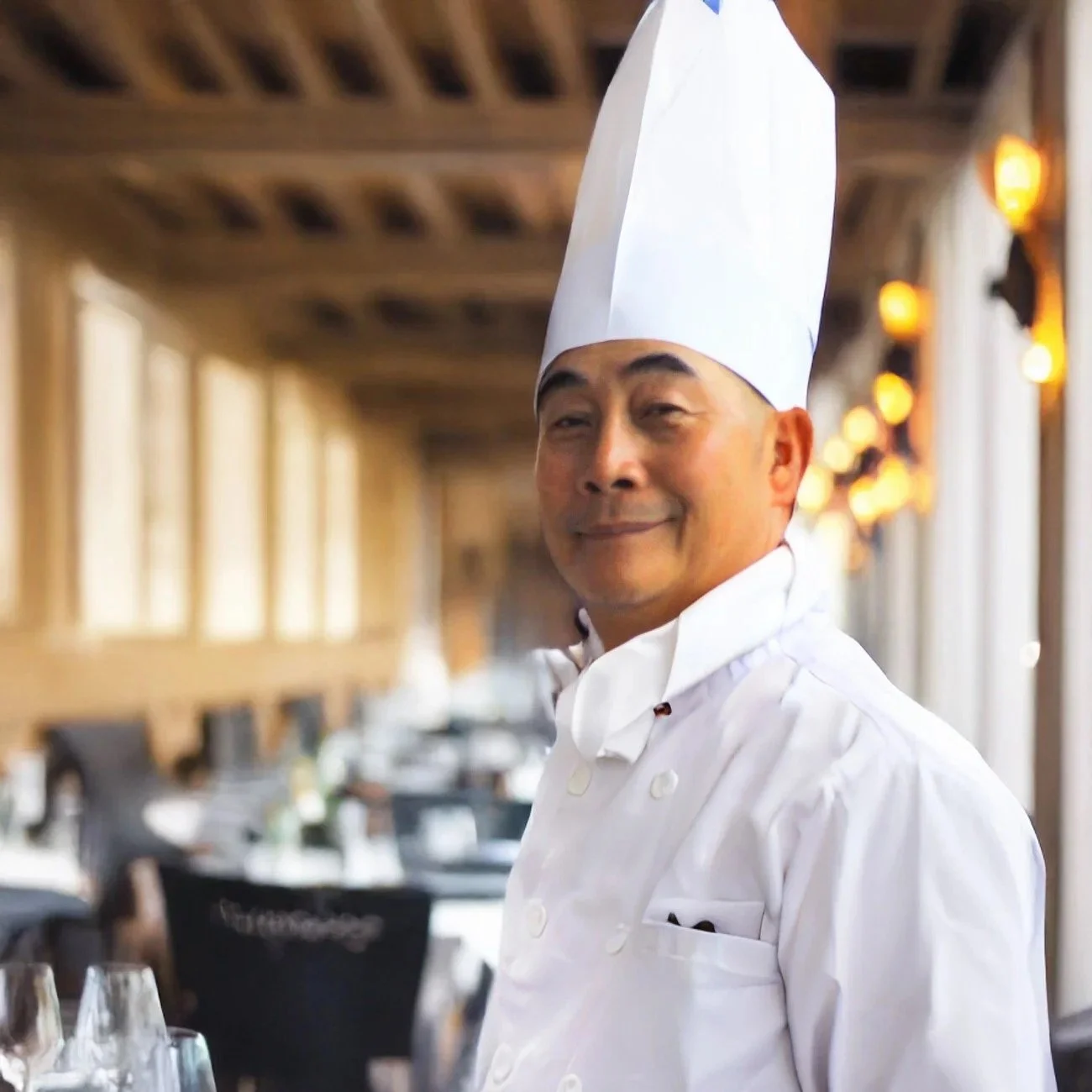

Lobster holds a special place in Chinese seafood cuisine as a luxurious and celebratory ingredient. Revered for its vivid color, succulent texture, and sweet flavor, lobster has become a symbol of prosperity and festivity, especially in banquet settings, Lunar New Year feasts, and wedding dinners.
The versatility of lobster mirrors the depth and creativity of Chinese culinary traditions, bringing both sensory delight and cultural significance to the table. Let’s learn about this dish here!
Lobster : A Storied Role in Chinese Cuisine
Lobster in Chinese food culture is often associated with celebration, good fortune, and abundance. Its vibrant red shell, revealed after cooking, symbolizes luck and joy, making it an ideal centerpiece for festivals and family gatherings.
In many regions, lobster dishes are favored at banquets and festive occasions as they represent wealth and social status, a reflection of Chinese cuisine’s long-standing esteem for seafood delicacies.
Beyond symbolism, lobster’s natural sweetness and firm texture make it a prized ingredient in a variety of preparations. It appears in traditional banquet classics as well as modern fusion interpretations, illustrating how Chinese chefs honor tradition while embracing culinary innovation.
Preparing Lobster: From Sashimi to Stir-Fry
Preparing lobster in Chinese cuisine is an art that balances freshness, technique, and respect for the ingredient itself. Each method showcases a different side of this prized seafood while preserving its signature texture and flavor.
1. Lobster Sashimi: Pure and Delicate
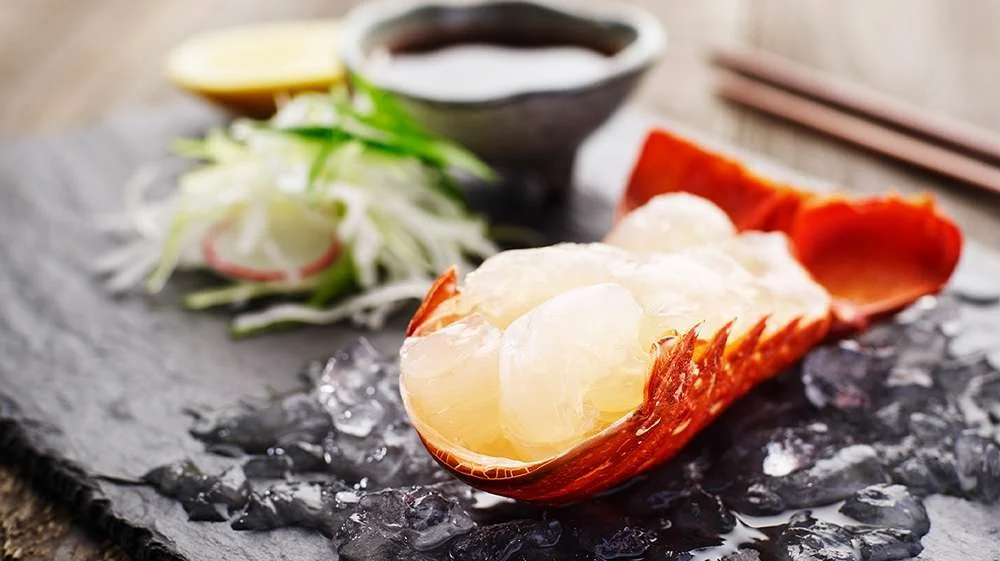
Lobster sashimi highlights the natural sweetness and smooth texture of fresh, raw lobster by serving it thinly sliced with minimal accompaniments. Its success depends entirely on using high-quality, live lobster, resulting in a clean, delicate flavor that showcases the ingredient at its finest.
2. Ginger and Onion Stir-Fry: A Classic Favorite
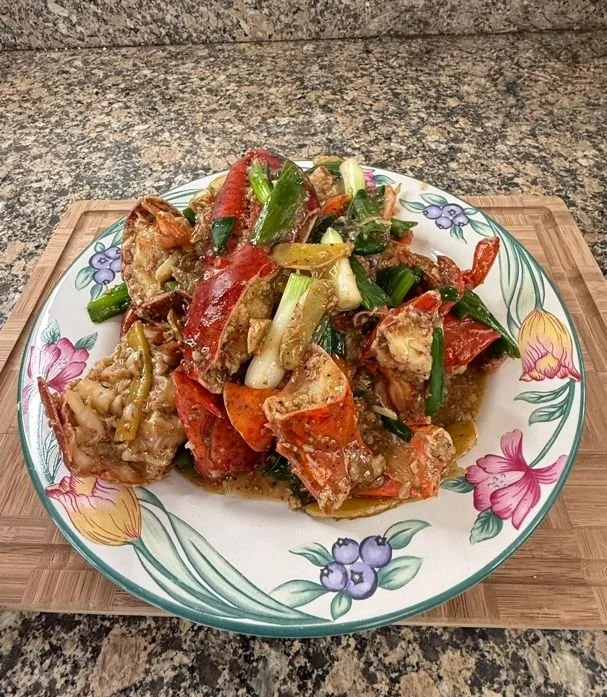
Unlike sashimi, ginger and scallion lobster uses bold stir-frying techniques that enhance flavor through aromatics and sauces. Keeping the shell on protects the meat while ginger, scallions, garlic, soy sauce, and oyster sauce deepen the lobster’s natural sweetness into a rich, fragrant, and satisfying dish.
3. Cantonese-Style Lobster
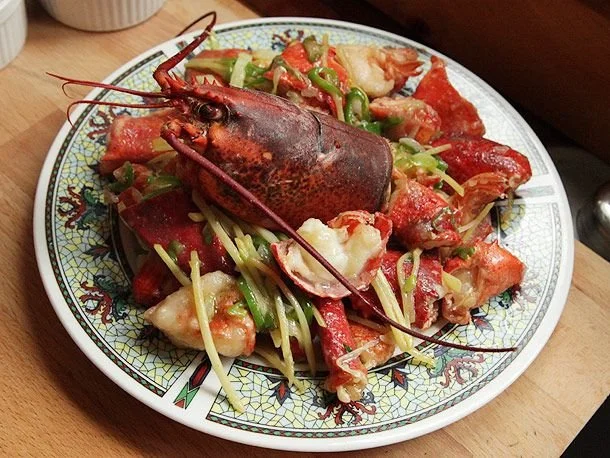
Cantonese-style lobster focuses on simple seasonings like ginger, scallions, and light sauces to highlight the lobster’s natural sweetness with balance and elegance. Whether stir-fried or lightly steamed, the technique preserves tender texture and enhances umami without overpowering the delicate flavor.
Maintaining Sweetness: Tips for Cooking Lobster
Lobster’s signature sweetness is what most chefs and diners seek to preserve. To achieve that perfect balance of tender meat and natural flavor, consider these key tips:
1. Choose Live Lobsters
Using live lobster ensures the freshest meat with the most pronounced sweetness. Quality matters and fresh, active lobsters yield juicier, more flavorful results.
2. Mind the Heat
High heat for too long can toughen lobster meat and diminish its natural sugars. Whether steaming, stir-frying, or searing, aim for quick, controlled cooking that locks in juices and enhances sweetness.
3. Use Complementary Aromatics
Ginger, scallions, and mild aromatics accentuate the lobster’s flavor without overpowering it. These ingredients add a fragrant backdrop that beautifully complements the sweet lobster meat.
4. Don’t Overcook
Overcooking can cause lobster meat to become rubbery and dry, masking its delicate sweetness. Cook just until the meat becomes opaque and firm, still juicy inside.
Choosing Between Pearl, Bamboo, and Batik Lobsters
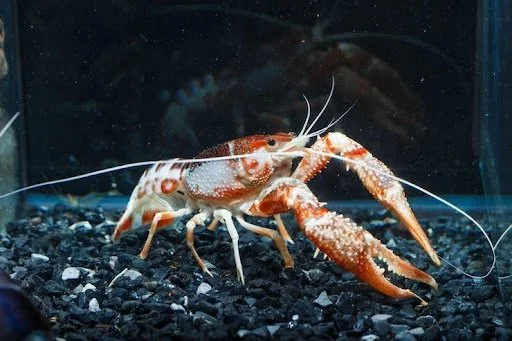
When selecting lobster for your dishes, the type of lobster you choose can influence both flavor and texture. In regions like Indonesia and Southeast Asia, several premium lobster varieties are prized in culinary use:
Pearl Lobster (Panulirus ornatus): Known for its striking color and tender, sweet meat, it’s considered a high-quality choice for sashimi, steaming, and premium dishes.
Bamboo Lobster (Panulirus versicolor): Often called painted or spiny lobster, it has visually appealing markings and a delicate flavor, making it a versatile option for both stir-fries and elegant preparations.
Batik Lobster (Panulirus longipes or related): Recognizable for patterned shells, batik lobster offers rich meat with good texture, ideal for hearty stir-fries or bold sauces.
Have You Tried Chinese Lobster Dish At Ocean Dynasty?
To truly experience lobster at its finest within authentic Chinese seafood cuisine, Ocean Dynasty Bali invites you to indulge in expertly crafted dishes that celebrate freshness, technique, and tradition.
From premium live seafood to signature lobster preparations, every detail on our menu is designed to deliver a refined yet memorable dining experience in an elegant setting, perfect for celebrations, business gatherings, or an indulgent meal with loved ones.
Secure your table by making reservations at Ocean Dynasty Bali through the official reservation page, or for a more personal touch, contact +62 811-1920-9007 (WhatsApp or Call) to plan your visit effortlessly. Let Ocean Dynasty Bali be your destination for exceptional seafood, impeccable service, and moments worth savoring.
FAQ
Why is lobster so popular in Chinese cuisine?
Lobster’s vibrant appearance and succulent sweetness make it ideal for celebratory meals and feasts. Its red shell symbolizes good luck and prosperity, while its flavor and texture elevate any fine dining experience.
What’s the difference between lobster sashimi and cooked lobster dishes?
Lobster sashimi showcases the raw, sweet meat without heavy seasonings, focusing on purity and texture. Cooked dishes like ginger and scallion lobster use aromatics and sauces to enhance flavor and create depth.
How do I keep lobster meat tender and sweet?
Use live lobster when possible, cook quickly with controlled heat, and use complementary ingredients like ginger and scallions. Avoid overcooking to preserve moisture and sweetness.
What are the key lobster varieties used in Chinese cooking?
Pearl, Bamboo, and Batik lobsters are popular choices in the region. Pearl lobster offers sweet, tender meat; Bamboo lobster delivers balanced flavor and texture; and Batik lobster provides rich, robust meat for hearty dishes.