Cocktails with Chinese Food: A Guide for Adventurous Diners
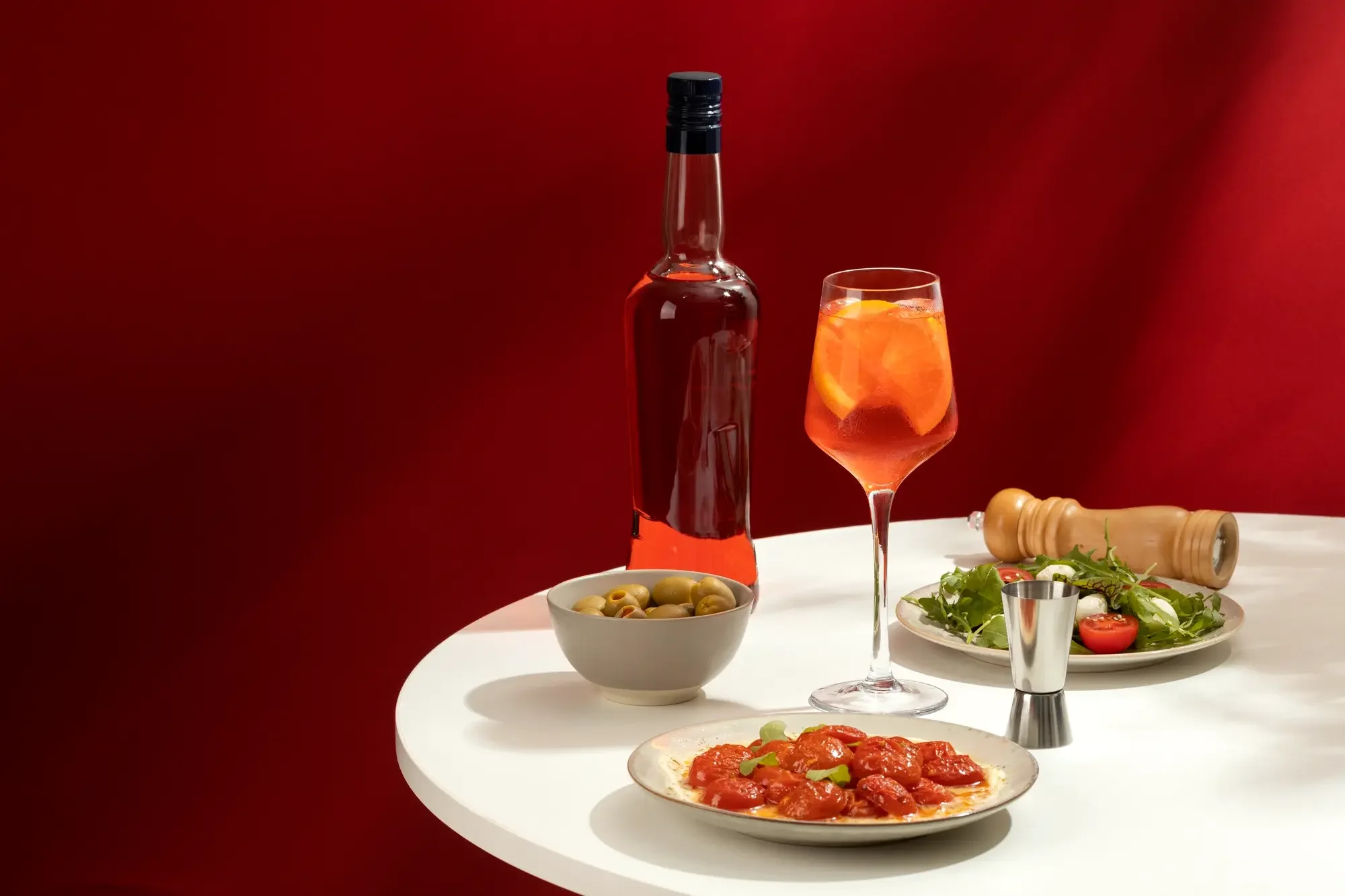
For years, wine has been the default choice when it comes to food pairing. But if you’re looking to elevate your dining experience, it’s time to explore the world of cocktails with Chinese food. While often overlooked, cocktails can complement Chinese cuisine surprisingly well, creating flavor combinations that are both exciting and memorable.
The secret lies in the complexity of Chinese food itself. Cantonese seafood, roasted meats, wok-fried specialties, and rich sauces all offer unique flavor profiles that can be enhanced by the right cocktail.
For adventurous diners who enjoy discovering new flavor combinations, pairing cocktails with Chinese food opens up a whole new dining experience.
Why Cocktails and Chinese Food Work So Well Together
Many people automatically think of wine when discussing food pairings, but cocktails are actually one of the most underrated companions to Chinese cuisine. From classic mixed drinks to creative signature cocktails, a well-crafted cocktail can either complement existing flavors or create an exciting contrast, resulting in a more dynamic and memorable dining experience.
Here are some of the reasons why cocktails with Chinese food work so surprisingly well together:
1. Citrus Adds Freshness to Seafood Dishes
Citrus is one of the most common elements found in modern cocktails, and it pairs beautifully with Cantonese seafood. Ingredients such as lemon, lime, yuzu, or orange provide brightness and acidity that enhance the natural sweetness of fish, prawns, crab, and lobster.
Rather than overpowering delicate seafood flavors, citrus-based cocktails refresh the palate between bites and make each mouthful feel lighter and more vibrant. This is especially effective with steamed fish, fresh shellfish, and lightly seasoned seafood dishes where freshness is the star of the plate.
2. Ginger Creates a Natural Flavor Bridge
Ginger is commonly used in both Chinese cooking and cocktail making, making it one of the easiest pairing elements to work with. Its gentle spice and aromatic warmth can enhance seafood, poultry, and vegetable dishes while adding extra depth to the overall dining experience.
A cocktail featuring ginger notes often feels like a natural extension of the food itself. Instead of competing with the dish, it reinforces familiar flavors and creates a smooth connection between what you’re eating and drinking.
3. Five Spice Pairs Beautifully with Complex Cocktails
Chinese five spice brings together sweet, warm, and aromatic flavors that can be difficult to pair with traditional beverages. Cocktails, however, offer plenty of opportunities to complement these bold characteristics.
Drinks featuring cinnamon, clove, star anise, or spiced spirits can highlight the aromatic qualities found in roasted duck, barbecue meats, and other Cantonese specialties. The result is a richer and more layered flavor experience that adventurous diners often appreciate.
4. Tea Notes Match the Elegance of Cantonese Cuisine
Tea has been part of Chinese dining culture for centuries, which is why tea-inspired cocktails feel so natural alongside Cantonese food. Cocktails infused with jasmine tea, oolong tea, green tea, or black tea can bring floral, earthy, and slightly tannic characteristics that pair beautifully with a variety of dishes.
Tea notes are particularly effective because they add complexity without overwhelming the food. They complement subtle flavors and maintain the balanced, refined character that Cantonese cuisine is known for.
5. Smoky Cocktails Enhance Wok Hei Flavors
One of the most celebrated aspects of Chinese cooking is wok hei—the smoky, slightly charred aroma that comes from cooking ingredients over high heat in a wok. This distinctive flavor is difficult to replicate and highly valued by Chinese food enthusiasts.
Cocktails with smoky characteristics can mirror those flavors and create a natural pairing. Drinks made with barrel-aged spirits, smoked ingredients, or richer flavor profiles often work exceptionally well with stir-fried noodles, fried rice, and wok-fried seafood dishes. The shared smoky notes create harmony between the drink and the food.
6. Sweetness Helps Balance Savory and Umami Dishes
Many Chinese dishes feature rich umami flavors, savory sauces, and caramelized ingredients. A cocktail with a touch of sweetness can help balance those flavors without making the meal feel heavy.
The sweetness found in fruit-forward cocktails, lychee-based drinks, or cocktails featuring tropical ingredients can soften salty and savory elements while enhancing the natural flavors of the dish.
This balance is one reason why many diners find cocktail pairings surprisingly enjoyable with Chinese cuisine.
How to Choose the Right Cocktail Based on Your Food
A simple way to choose the right cocktail is to think about the overall character of the dish you’re ordering. Lighter foods, such as Cantonese seafood, steamed fish, prawns, crab, or fresh shellfish, usually pair best with refreshing cocktails that feature citrus, herbs, ginger, or tea notes.
These drinks help highlight the natural sweetness and freshness of the seafood while keeping your palate clean between bites. The result is a pairing that feels bright, balanced, and easy to enjoy. For richer dishes such as roasted duck, crispy pork, barbecue meats, or wok-fried specialties, spirit-forward cocktails are often a better match.
Cocktails made with whiskey, rum, or other aged spirits provide enough depth and structure to stand up to bold flavors and savory sauces. Drinks with subtle spice, smoky notes, or a touch of sweetness can also complement the richness of the food, creating a more layered and satisfying dining experience. The goal is to find a cocktail that either balances the dish or enhances its strongest flavors without overpowering them.
Bar-First vs Food-First Ordering
For adventurous diners looking to create a more premium and exploratory dining experience, there are two popular approaches to consider: bar-first ordering and food-first ordering. Neither approach is right or wrong—it simply depends on how you want to experience the meal. Both methods encourage guests to think more intentionally about flavor pairings and can turn a regular dinner into a more memorable culinary journey.
A. Bar-First Ordering
The bar-first approach starts with the cocktail. Instead of choosing your food first, you begin by selecting a drink that matches your preferred flavor profile, whether that's citrusy, smoky, herbal, spicy, or spirit-forward.
Once you’ve chosen the cocktail, you then select dishes that complement its characteristics. This approach is ideal for cocktail enthusiasts who enjoy discovering how different food flavors interact with their drink.
For example, a refreshing citrus-based cocktail may inspire you to order fresh seafood or steamed fish, while a smoky whiskey cocktail could naturally lead to roasted duck or wok-fried specialties. The cocktail becomes the foundation of the dining experience, guiding the rest of the meal.
B. Food-First Ordering
The food-first approach is often the more traditional and intuitive option. Diners start by selecting the dishes they want to enjoy and then choose cocktails that best complement those flavors.
This method allows the food to remain the star of the experience while the drinks enhance and support the meal. For instance, fresh Cantonese seafood may pair beautifully with a light and refreshing cocktail featuring citrus or tea notes, while rich roasted meats can be elevated with a more spirit-forward drink that offers depth and complexity.
Food-first ordering is particularly useful for guests who already have favorite dishes in mind and want to find the perfect cocktail match.
Cheers to Great Food, Great Drinks!
Pairing cocktails with Chinese food may not be the first thing that comes to mind when planning dinner, but it deserves far more attention than it gets. The vibrant flavors found in Cantonese cuisine provide endless opportunities for creative pairings, whether through citrus, ginger, tea, spice, smoke, or sweetness.
If you’re interested in exploring alcohol pairing with Chinese food, Ocean Dynasty Bali offers the perfect setting to start your journey. Beyond its extensive Cantonese menu, the restaurant features a selection of signature cocktails carefully crafted to complement a variety of chinese flavor profiles, from delicate seafood dishes to rich roasted specialties.
The combination of expertly prepared Cantonese cuisine and creative cocktails creates a dining experience that feels both elevated and approachable. Take a look at Ocean Dynasty’s Menu and discover exciting pairing possibilities that can transform an ordinary dinner into a memorable culinary experience. To reserve your table, contact +62 811-1920-9007 via WhatsApp or call directly and start planning your next dining experience.
FAQ
Which alcohol with Chinese food?
It depends on the dish, but cocktails, wine, whiskey, and light spirits can all pair well with Chinese food when matched to the flavors of the meal.
What cocktails go well with Chinese food?
Refreshing citrus, ginger, tea-infused, and lightly sweet cocktails pair well with seafood, while spirit-forward and smoky cocktails complement richer Cantonese dishes.
Does Ocean Dynasty have a bar or serve cocktails?
Yes. Ocean Dynasty Bali offers a selection of signature cocktails and beverages that can be enjoyed alongside its Cantonese and seafood menu.