
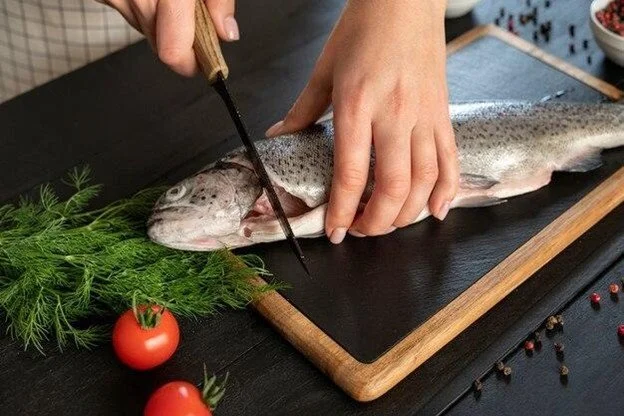
Planning a seafood feast? Whether you're dreaming of grilled snapper, spicy seafood soup, or buttery steamed fish, everything starts with one thing: fresh fish. Because let’s be honest, no matter how good your recipe is, if the fish isn’t fresh, the flavor just won’t hit the same.
But choosing fresh fish isn’t as complicated as it sounds. You don’t need to be a professional chef or a fisherman from the coast. With a few practical tips and a sharp eye (and nose!), you can confidently pick the best fish for your next delicious meal.
In this guide, we’ll walk through exactly what to look for and how to choose fresh fish. Let’s dive in!
Why Fresh Fish Matters So Much
Fresh fish is also about texture, nutrition, and safety. Here are reasons why you should always choose fresh fish:
Better flavor: Fresh fish has a clean, mild, slightly sweet taste.
Perfect texture: It should be firm, juicy, and tender, not mushy or dry.
Higher nutritional value: Fresh seafood retains more of its natural nutrients.
Safer to eat: Spoiled fish can cause foodborne illness.
When fish starts to deteriorate, enzymes and bacteria begin breaking down the flesh. That’s when you’ll notice unpleasant smells, slimy surfaces, and soft, falling-apart meat. Knowing how to spot freshness protects both your meal and your health.
How to Choose the Fresh Fish
Choosing the freshest fish doesn’t have to feel intimidating, once you know exactly what signs to look for, you’ll be able to select high-quality seafood with confidence and turn every meal into a truly delicious feast.
1. Check the Eyes: Clear and Bright Is Right
Let’s start with one of the easiest indicators. If you’re buying a whole fish, always look at the eyes first. Fresh fish should have eyes that are clear, bright, slightly bulging, shiny, and moist. They should look lively and alert, almost as if the fish was just caught.
On the other hand, cloudy or milky eyes, a sunken appearance, or a dull and dry surface are warning signs that the fish is no longer at its best. The eyes are one of the first parts to lose freshness, so they’re a quick and reliable clue.
2. Inspect the Gills: They Should Be Red or Pink
Next, gently lift the gill cover and take a look inside. The gills can tell you a lot about how fresh the fish is. Fresh fish gills should be bright red or pink, moist, clean, and free from excessive slime. Their color should look vibrant rather than faded.
If the gills appear brownish or gray, feel sticky or slimy, or give off a strong unpleasant smell, that’s a clear sign the fish is aging. Since gills deteriorate quickly after the fish dies, they are one of the most reliable freshness indicators. If they still look fresh and colorful, chances are the fish is too.
3. Trust Your Nose: It Should Smell Like the Sea
This is one of the most important tests, and one that many people misunderstand. Fresh fish should not smell strongly fishy.
Instead, a fresh fish smells clean, like ocean water, with a mild and slightly salty scent. It should remind you of a fresh sea breeze.
A spoiled fish, however, will smell strong, sour, ammonia-like, or overwhelmingly fishy. If the odor makes you instinctively step back, that’s your cue to walk away.
4. Examine the Skin and Scales
The skin of the fish tells its own story. Fresh fish should have a shiny, almost metallic appearance with a natural vibrant color. The scales should be tight and firmly attached to the body.
Avoid fish with dull or faded coloring, loose or falling scales, or dry patches on the skin. A fresh fish often looks like it’s glowing slightly under the light. If the skin looks lifeless and flaky, the fish likely isn’t fresh anymore.
5. Feel the Flesh: Firm and Bouncy Is Best
Now it’s time for the texture test. Gently press the fish with your finger. Fresh fish flesh should feel firm and elastic. When you press it, it should bounce back quickly without leaving a dent. It should never feel mushy or watery.
If the flesh feels soft, soggy, or leaves a fingerprint that doesn’t disappear, that’s a red flag. This bounce-back test works because fresh fish muscle fibers are still tight and intact. As fish ages, those fibers break down, causing the flesh to lose firmness.
6. Look at the Belly Area
Pay close attention to the belly area, as it is one of the most delicate parts of the fish. A fresh fish will have an intact belly with no bursting or splitting. The flesh inside should look clean and well-contained.
If the belly appears torn, open, or leaking internal organs, and especially if there is a strong odor coming from inside, it’s best to avoid it. The belly breaks down quickly if the fish hasn’t been handled or stored properly.
7. Check the Bloodline (If Cut)
If you’re buying fillets or cut pieces, look closely at the bloodline, the dark red strip running through the flesh. In fresh fish, the bloodline should be bright red, clean, and clearly defined.
If it appears brownish, dull, sticky, or dry, that indicates the fish has been sitting for too long. This small detail may seem minor, but it can reveal how recently the fish was processed.
8. If Buying Fillets: Look for Moisture and Color
When choosing fillets, observe their overall appearance carefully. Fresh fillets should look translucent and glossy with a natural, vibrant color. They should feel moist but not slimy.
Avoid fillets with a milky or opaque appearance, dry or darkened edges, or excess liquid pooling in the packaging.
9. Ask Questions About Storage
Don’t be shy about asking questions. You can ask when the fish was delivered, whether it has been frozen before, and how long it has been on display.
Fresh fish should be stored properly on ice or under correct refrigeration temperatures. If the display looks messy, warm, or poorly maintained, it’s better to look elsewhere. Proper storage plays a huge role in maintaining freshness.
10. Consider Live Seafood for Maximum Freshness
If you want the ultimate guarantee of freshness, choose live seafood. Live fish, crabs, and shellfish offer unbeatable taste and texture because they are prepared immediately after selection, leaving little time for quality to decline.
That’s why many seafood lovers prefer restaurants that provide live seafood directly from aquariums. At Ocean Dynasty, customers don’t need to worry about checking eyes, gills, or firmness. The seafood is alive in the aquarium, and once you choose your fish or crab, it’s prepared fresh for your table.
This approach ensures maximum flavor, superior texture, natural sweetness, and complete peace of mind. It’s truly the difference between “pretty fresh” and “absolutely fresh.”
Your Ultimate Live Seafood Feast Awaits at Ocean Dynasty
If reading this has made you crave perfectly fresh seafood, why not experience it at its finest? Head over to Ocean Dynasty and taste some of the best Chinese seafood cuisine in Bali, especially their live fish selections like Grouper, Nila, and Gurame, taken straight from the aquarium to your table.
Imagine enjoying tender, naturally sweet fish cooked in authentic HK Style Steamed or prepared in other delicious styles that highlight the freshness in every bite.
Before you go, make sure to check out our menu and book your reservation in advance via WhatsApp to secure the best dining time and ensure a smooth, unforgettable feast. Freshness this good is worth planning for!
FAQ
How long does fresh fish last in the refrigerator?
Fresh fish should ideally be cooked within 1–2 days of purchase. Keep it stored on ice or in the coldest part of the fridge.
Is frozen fish less fresh?
Not necessarily. Fish frozen immediately after being caught can retain excellent quality. However, once thawed, it should not be refrozen and must be cooked promptly.
Why does fish become mushy?
Fish becomes mushy when enzymes and bacteria break down muscle fibers. This usually happens when it’s not stored properly or is too old.