
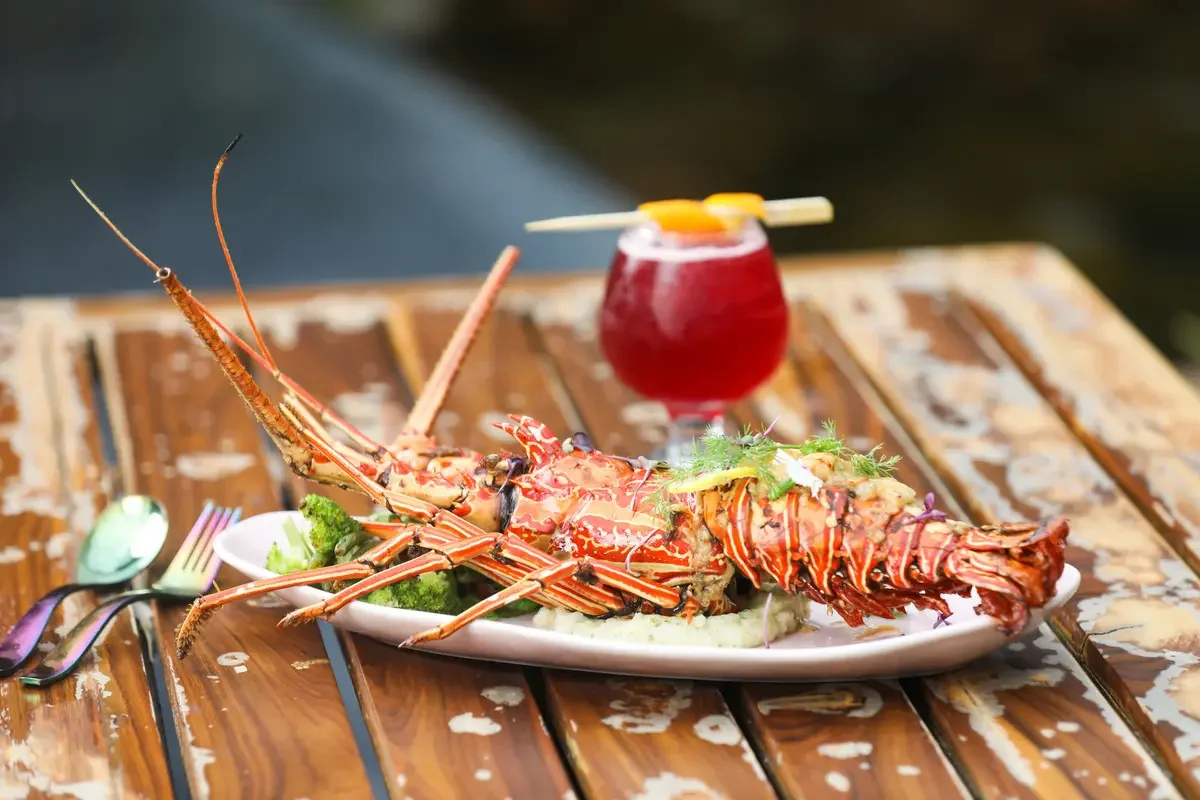
Lobster is one of the most impressive dishes you can order at a restaurant. It’s often associated with celebrations, special occasions, and premium seafood dining. Yet it's also one of the most misunderstood items on the table.
Surprisingly, many people leave a significant amount of lobster meat behind—not because they don’t enjoy it, but because they aren’t quite sure how to get to it.
Between the shell, claws, legs, and body, it can feel more like a puzzle than a meal. So, how do you eat a lobster in a restaurant? The key is understanding its anatomy. Different parts of the lobster contain meat with different textures and flavors. Each section requires a slightly different technique to extract the meat efficiently.
Once you know what you're doing, you'll be surprised by how much delicious lobster you've been missing. Let’s learn it further here!
Your Tools — Know What’s on the Table Before You Start
Before you start figuring out how to eat lobster, it’s worth taking a quick look at the tools that come with it. Lobster shells are designed to protect the meat inside, so having the right tools makes the process much easier.
A. Lobster Cracker (or Nutcracker)
The lobster cracker is designed to break through the thick shells found on the claws and larger body sections. Its ridged surface helps grip the shell and apply controlled pressure, allowing you to crack it open without crushing the meat inside.
If a dedicated lobster cracker isn't available, a regular nutcracker can often do the job as well.
B. Seafood Pick (or Lobster Fork)
This long, narrow tool is one of the most useful items on the table. A seafood pick, sometimes called a lobster fork, is designed to reach into small spaces where your fingers can’t go.
It’s perfect for pulling meat from the claws, knuckles, legs, and tail fins—areas where some of the sweetest lobster meat is often hidden.
C. Regular Fork and Knife
While eating lobster is often a hands-on experience, a standard fork and knife still come in handy.
You can use them to separate larger pieces of meat, cut through softer shell sections, or help remove tail meat more neatly. Think of them as supporting tools rather than the main event.
D. Shell Bowl and Finger Bowl
Don’t overlook these two items. The shell bowl is where you place discarded shells as you work through the lobster, helping keep your dining area organized.
The finger bowl, usually filled with warm water and a slice of lemon, is there to clean your hands during or after the meal. Since lobster can get a little messy, you’ll be glad it’s there.
How to Eat a Whole Lobster: Part by Part
A whole lobster can look intimidating at first, but it's actually much easier once you know which part to tackle and how to access the meat inside. The best approach is to work through the lobster one section at a time, starting with the larger pieces and finishing with the smaller hidden treasures.
1. The Tail
The tail is usually the easiest place to start and contains the largest piece of meat. Hold the lobster body in one hand and the tail in the other, then gently twist in opposite directions until the two sections separate.
Next, place the tail on its side and press down firmly until you hear the shell crack. You can then push the tail meat out from one end using your fingers or a fork.
Alternatively, use a knife or kitchen scissors to cut along the underside of the shell and remove the meat in one clean piece.
2. The Claws
The claws contain some of the sweetest and most tender meat on the lobster. Start by twisting each claw away from the body. Pull off the smaller pincer section first and use a seafood pick if any meat remains inside.
Then use a lobster cracker to gently crack the thickest part of the claw shell. Open it carefully and try to remove the claw meat in one large piece for the best presentation and texture.
3. The Knuckles
The knuckles are the small jointed sections that connect the claws to the body. Many people skip them, but they’re often packed with delicious meat.
Twist them off after removing the claws, then crack the shell gently using a lobster cracker or the back of a knife. A seafood pick or lobster fork makes it easy to pull out the meat hidden inside these narrow chambers.
4. The Legs
Lobster legs don’t contain huge amounts of meat, but there are still tasty bites worth getting. After removing the legs, lightly crack the shells or use a seafood pick to extract the meat.
It takes a little patience, but lobster lovers know that some of the sweetest meat can be found in these smaller sections.
5. The Tail Fins
At the end of the tail are several small fin sections that are often overlooked. Bend the tail fins upward and snap them off one by one.
Inside, you’ll usually find small pieces of sweet lobster meat. Use a seafood fork or pick to remove them. It may not look like much, but these little bites are often surprisingly flavorful.
6. The Head and Body
Once the tail, claws, and knuckles are removed, it’s time to open the body. Crack it apart sideways and look inside the body cavity. You’ll find small pockets of meat tucked between the shell chambers that can be pulled out with a seafood fork.
In many Asian seafood traditions, the head and body are considered valuable because they contain rich juices and concentrated lobster flavor that many diners enjoy.
Lobster Etiquette at a Restaurant: What’s Fine and What’s Not
Eating lobster is a little different from eating most restaurant dishes. It can get messy, it takes time, and yes—you'll probably use your hands.
The good news is that restaurants expect all of this, especially at a live seafood restaurant, where diners are encouraged to fully enjoy the freshness and quality of the seafood. Knowing a few basic etiquette rules will help you navigate the experience with confidence and make the most of every bite.
A. Hands Are Completely Acceptable
Don’t worry about looking too formal when eating lobster. Using your hands is not only accepted. Some parts of the lobster simply can’t be enjoyed properly with a knife and fork alone, so feel free to get hands-on when needed.
B. Wear the Bib Without Hesitation
If your server offers a lobster bib, take it. It’s not a tourist gimmick—it’s practical. Lobster shells can release juices when cracked, and the bib helps protect your clothes from unexpected splashes.
C. Crack Shells Toward the Plate
When opening claws or other hard shell sections, always point them downward toward your plate. This helps prevent shell fragments or juices from flying across the table and keeps the dining experience cleaner for everyone around you.
D. Use Tools with Precision, Not Force
A common mistake is treating the lobster cracker like a hammer. Instead, apply gentle and controlled pressure. The goal is to crack the shell just enough to access the meat without crushing it into small pieces.
E. Use the Shell Bowl Correctly
The shell bowl is specifically for discarded lobster shells and shell fragments. Avoid using it for napkins, side dishes, lemon wedges, or leftover food. Keeping shells separate makes the table easier to manage as you work through the lobster.
F. Use the Finger Bowl When Needed
The finger bowl is there to help you clean your hands during or after the meal. If you’re moving from a messy section like the claws to another part of the lobster, a quick rinse can make things more comfortable. It’s also perfectly fine to use it once you’ve finished eating.
G. Take Your Time
Perhaps the most important rule of all: don’t rush. A whole lobster is meant to be enjoyed slowly. Between cracking shells, extracting meat, and discovering hidden bites in different sections, the experience naturally takes longer than a typical meal. Relax, enjoy the process, and treat it as part of the fun.
Lobster the Way It’s Meant to Be Eaten
Understanding how to eat lobster properly can completely transform the experience. Instead of focusing only on the tail or claws, you'll learn to appreciate every part of the lobster and discover flavors and textures that many diners accidentally leave behind.
The best way to put that knowledge into practice is at a restaurant that treats lobster as the centerpiece of the meal, and this is exactly what you’ll find in a good Chinese lobster guide, which explains how different live lobster types are selected and prepared for the best dining experience.
At Ocean Dynasty Bali, live lobster is prepared with techniques that highlight the natural sweetness and quality of the seafood, allowing guests to enjoy the lobster exactly as it was meant to be eaten.
If you're ready to discover why lobster is considered the king of seafood, take a look at Ocean Dynasty's Menu to explore the available lobster dishes and other seafood specialties. Then, make a reservation at Ocean Dynasty Bali to secure your table. For reservations or inquiries, simply contact the team via WhatsApp or call +62 811-1920-9007 and get ready to enjoy an exceptional seafood dining experience in Bali.
FAQ
How to eat a lobster in a restaurant?
Start by cracking the claws and tail, then remove the meat using a fork or seafood pick. Dip in butter or sauce and eat bite by bite.
Where do I start eating lobster?
Start from the claws.