Lazy Susan Meaning: What It Is, Where the Name Came From, and How to Use It
If you have ever dined at a Chinese restaurant, chances are you have used a lazy Susan without giving it much thought. The rotating tray sitting in the middle of a round table has become such a familiar sight that many people assume it has always been part of Chinese dining culture.
Yet the lazy Susan is surrounded by surprising misconceptions. Most diners do not know where its unusual name came from. Even fewer realize that the term itself is not Chinese at all. While the device is now closely associated with Chinese restaurants around the world, its history is far more complicated than many people imagine.
So what does lazy Susan meaning? To answer that question, we need to explore both Western history and Chinese dining traditions.
What Is a Lazy Susan? Clearing Up the Most Common Misconception
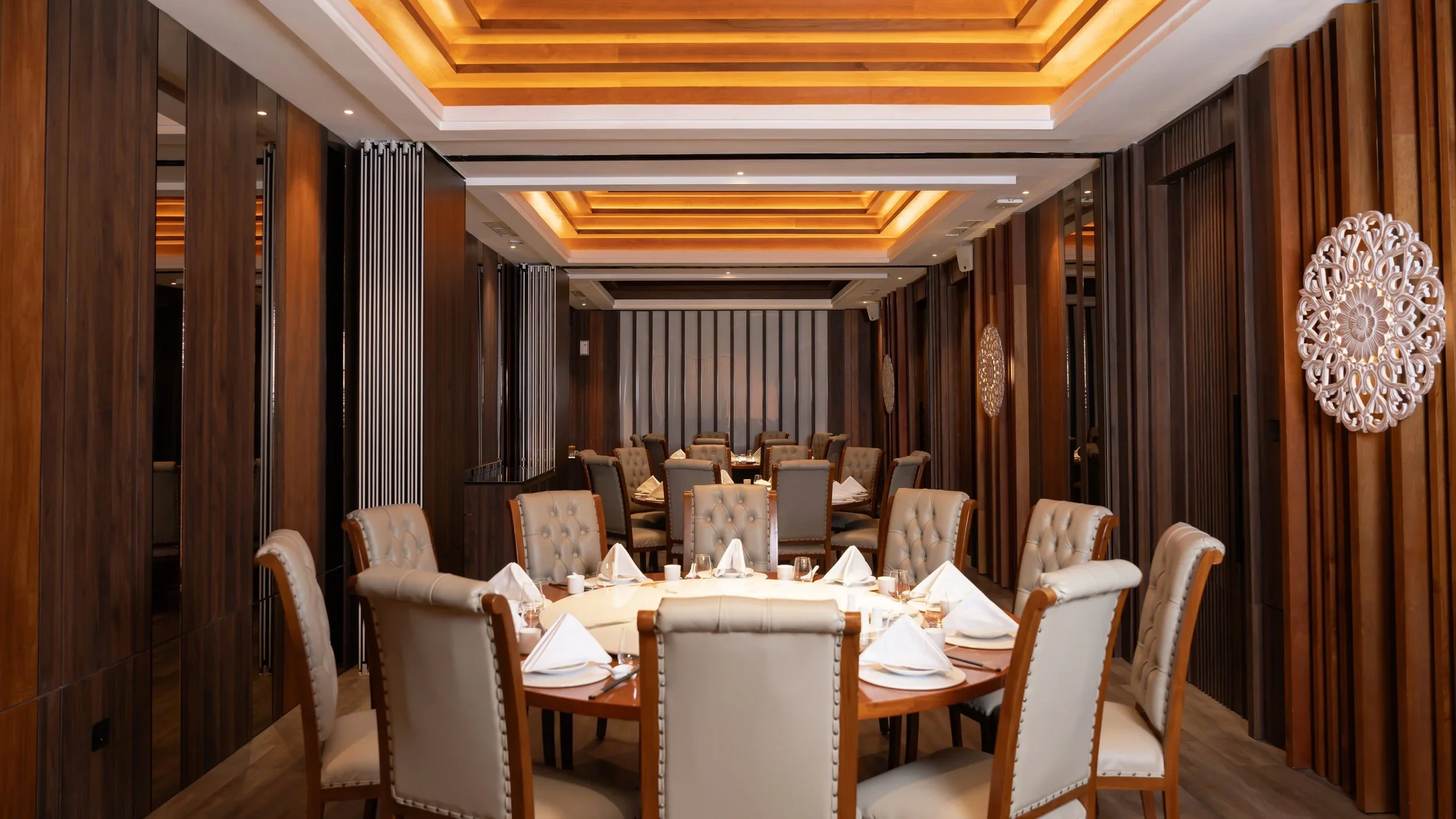
Many people mistakenly believe that the lazy Susan refers to the entire dining table. In reality, the lazy Susan is only the rotating platform positioned at the center of the table. The table itself remains stationary while the tray spins independently, allowing dishes to move around the table with minimal effort.
The main purpose of a lazy Susan is convenience. Instead of reaching across the table, asking someone to pass a dish, or standing up to access food, diners can simply rotate the tray until the desired dish is in front of them.
Lazy Susans are available in a variety of materials depending on the dining environment and level of formality.
Common materials include:
Wood for traditional and classic dining settings
Tempered glass for modern Chinese restaurants
Stainless steel for durability and ease of maintenance
Marble and stone for luxury restaurants and fine-dining experiences
In high-end establishments, marble lazy Susans can add elegance while maintaining functionality. Meanwhile, glass versions remain popular because diners can easily see every dish as the tray rotates.
A rotating tray helps facilitate this communal style of eating by ensuring every guest has equal access to the food. Instead of one person controlling the serving process, the lazy Susan creates a more balanced and inclusive dining experience.
Why Is It Called a “Lazy Susan”?
The lazy Susan is not a Chinese invention, and the name itself did not originate in China. This is perhaps the biggest myth surrounding the device.
Although lazy Susans are now strongly associated with Chinese restaurants, the term emerged in Western culture. The most widely accepted theory is that “Susan” referred to a household servant or maid.
During the nineteenth century, many middle- and upper-class households employed domestic workers to serve meals. A rotating serving tray could perform some of the same functions as a servant by helping diners access food without assistance. Over time, the nickname “lazy Susan” stuck.
Another popular theory links the invention to Thomas Jefferson, the third President of the United States. According to the story, Jefferson supposedly designed or popularized a rotating serving device because his daughter often complained about not being served first at meals.
While this tale is frequently repeated online, historians remain skeptical. There is little reliable evidence connecting Jefferson directly to the modern lazy Susan. Most researchers consider the story unverified and likely exaggerated over time.
How the Lazy Susan Transformed Chinese Dining
Historical records show that rotating mechanisms appeared in Chinese literature as early as 1313, although they were originally used for printing and document handling rather than dining.
The lazy Susan only became a common dining feature in Chinese restaurants during the twentieth century, when banquet-style meals grew in popularity and restaurants needed a practical way for large groups to share food.
By placing dishes on a rotating tray, diners gained equal access to every plate without reaching across the table or relying on others to pass food. This simple innovation improved efficiency, encouraged participation, and created a more communal dining experience.
Lazy Susan Etiquette: The Unwritten Rules
Using a lazy Susan may seem straightforward, but there are several unwritten rules that help maintain harmony and respect at the table.
1. Seniors Eat First
When a new dish arrives, offer it to the oldest or most senior guest first. In business settings, seniority is typically based on position or rank rather than age.
2. Maintain One Direction
Keep the lazy Susan rotating in a consistent direction, usually clockwise throughout the meal to avoid confusion and maintain a smooth dining flow.
3. Pass It Along After Serving
After taking your portion, gently rotate the tray to the next diner instead of letting it remain in front of you for too long.
4. Take What Is in Front of You
Avoid spinning the tray to search for a better piece of food. Take a portion from the dish in front of you when it reaches your position.
5. Start with Small Portions
Take modest servings during the first round so everyone has a chance to try each dish, especially premium items such as seafood or specialty dishes.
6. Be Mindful of Chopstick Placement
In Chinese dining etiquette, remember to never stick chopsticks upright into food, as it resembles funeral offerings in Chinese culture. Place them neatly on a chopstick rest or plate when not in use.
The Lazy Susan at Ocean Dynasty Bali
The story of the lazy Susan is a fascinating blend of Western history and Chinese dining culture. While the name itself may not be Chinese, the rotating tray has become one of the most recognizable symbols of communal Chinese dining.
At Ocean Dynasty Bali, this tradition continues as part of an authentic Cantonese dining experience. From premium seafood dishes to classic Cantonese favorites, the round-table dining concept ensures everyone can share the meal as intended—comfortably, equally, and memorably.
If you’d like to experience this firsthand, you can explore the full offerings through theOcean Dynasty Bali Menu & Reservations or make a reservation directly for your next dining experience. For quick booking or inquiries, contactWhatsApp Ocean Dynasty Bali or call +62 811-1920-9007!
FAQ
What does a lazy Susan mean?
A lazy Susan is a rotating tray placed on a table that makes it easy for diners to share food. It is commonly used in Chinese restaurants to give everyone equal access to shared dishes.
Why is it called a lazy Susan?
The origin is unclear, but the most accepted explanation is that “Susan” referred to a maid or servant, and “lazy” describes how the device replaces the need for someone to serve food.
What is the purpose of a lazy Susan in Chinese restaurants?
Its main purpose is to make shared dining easier by allowing all diners to access dishes equally without reaching across the table.