
What Is Chili Oil? Ingredients, Taste, and How It's Used in Chinese Cooking
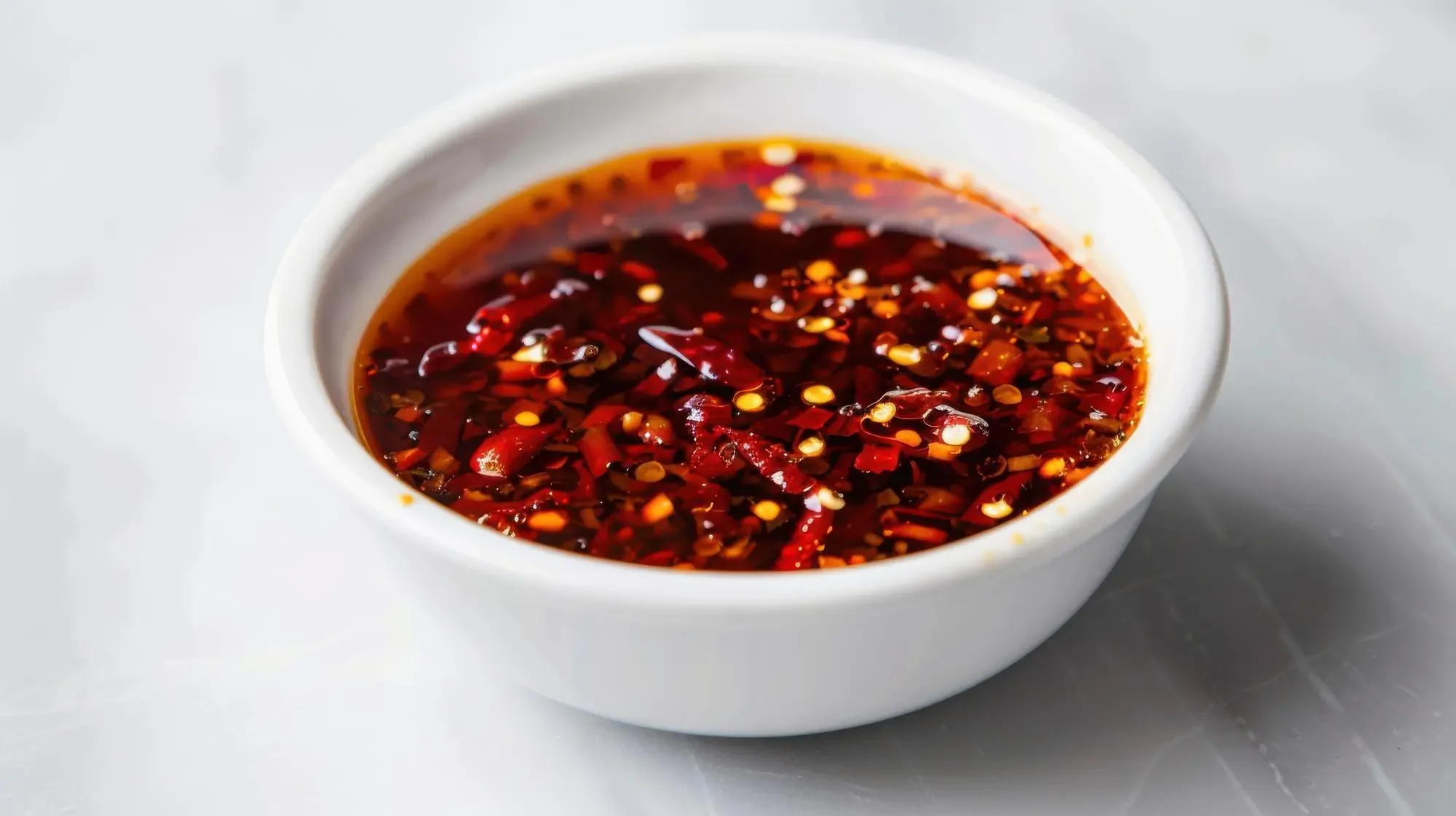
Chili oil is one of those condiments you’ll almost always spot on a Chinese restaurant table. It sits quietly in a small jar or bottle, often next to soy sauce and vinegar, but once you try it, it’s hard to forget.
Many people love it for its addictive heat and rich aroma, yet surprisingly few know what actually goes into it or why it tastes so good.
Chili oil is a flavored oil made by infusing hot oil with dried chili flakes and aromatic spices. It is a staple in Chinese cuisine, especially in regions known for bold flavors like Sichuan food, where spice, aroma, and numbing heat are essential parts of the culinary experience.
This article will break down what chili oil is made of, what it tastes like, and how it is used in Chinese cooking and dining culture. Let’s keep reading!
What Is Chili Oil Made Of?
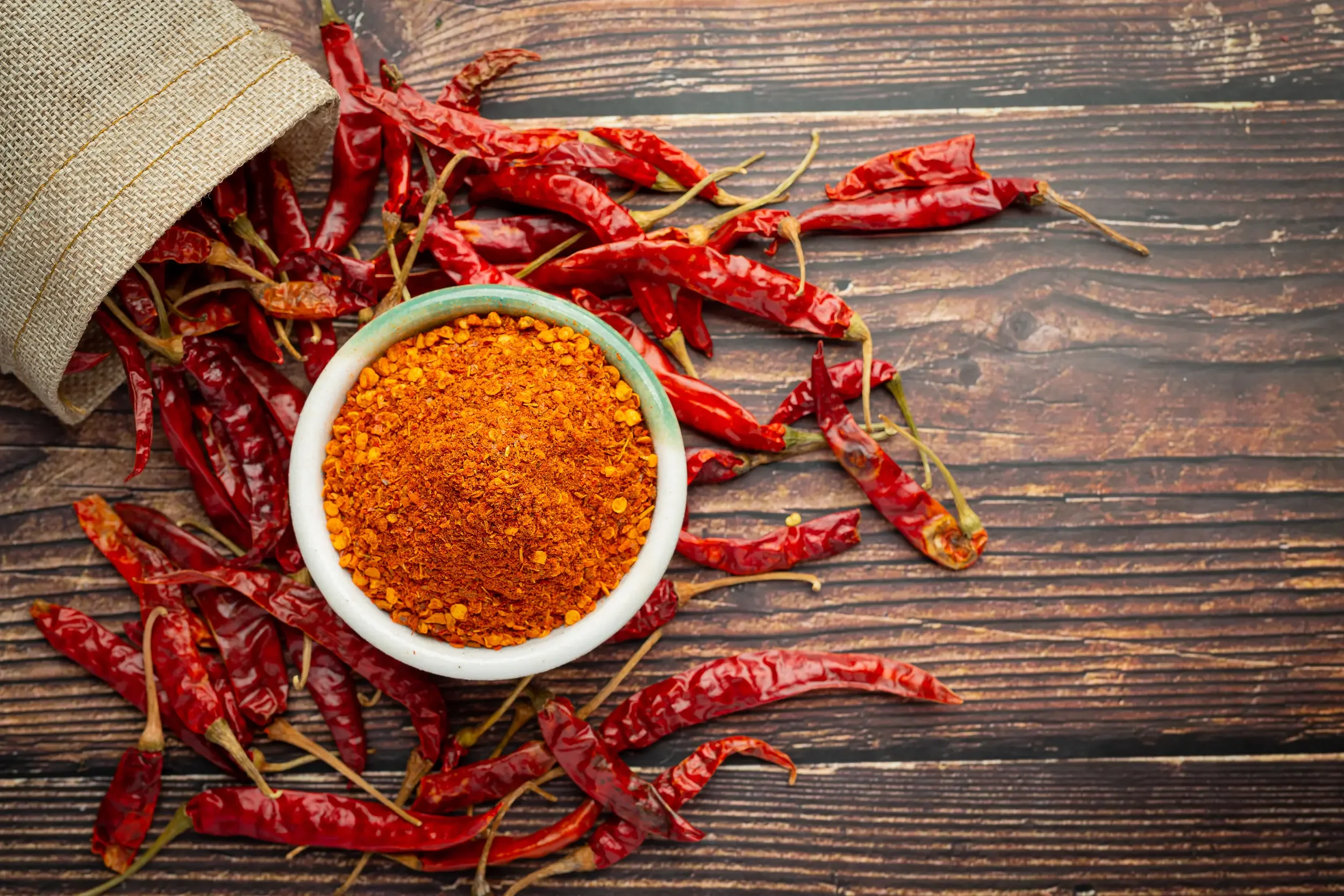
At its core, chili oil is simple, but the magic is in how the ingredients are combined and infused. Here are the full ingredients:
1. Base Oil
The foundation of chili oil is a neutral oil with a high smoke point, such as:
Soybean oil
Canola oil
Vegetable oil
Peanut oil (in some regional versions)
The neutral flavor allows the spices and chilies to shine without interference. The oil also acts as a carrier, absorbing and preserving all the aromatic compounds.
2. Chili Flakes
Chili flakes are the most important ingredient in chili oil. They determine:
Heat level
Color (deep red to dark orange)
Smokiness and intensity
Different regions use different chili varieties, which is why chili oil can range from mildly warm to extremely hot. In Sichuan food, chili flakes are often combined with Sichuan peppercorns to create both heat and a unique numbing sensation known as mala.
3. Aromatics and Spices
What separates basic chili oil from truly exceptional versions is the addition of aromatics. These ingredients infuse the oil with layers of flavor:
Garlic
Shallots or onions
Sichuan peppercorns
Star anise
Cinnamon sticks
Bay leaves
Sesame seeds
These aromatics slowly release their oils during infusion, creating depth and complexity. Sesame seeds, in particular, add a subtle nutty aroma that balances the heat.
4. Variations and Add-ins
Chili oil recipes vary widely across regions and households. Some versions include additional ingredients such as:
Fermented black beans (for umami richness)
Crushed peanuts (for texture and nuttiness)
Dried mushrooms (for earthy depth)
These additions transform chili oil from a simple condiment into a deeply layered seasoning that enhances many Chinese flavors.
What Does Chili Oil Taste Like?
Chili oil is more than just a spicy condiment, it has a complex, multi-layered flavor profile that combines heat from chilies, smoky and savory notes from aromatics, nuttiness from sesame seeds, and deep umami from fermented or dried ingredients.
Its spiciness varies depending on the type of chilies used, the inclusion of Sichuan peppercorns, and the oil-to-chili ratio, sometimes creating a unique numbing sensation typical of Sichuan food.
It is also valued for its rich aroma and smooth, silky texture, which allow it to coat food evenly while enhancing rather than overpowering the original flavors. This balance of heat, fragrance, and depth is what makes chili oil a fundamental and beloved element in Chinese cooking.
How Chili Oil Is Used in Chinese Cooking
Chili oil is incredibly versatile. It is not just a condiment, it is an ingredient that plays multiple roles in the kitchen. Here are several ways to use it:
1. As a Condiment
The most common use is as a table condiment. Diners add chili oil to:
Noodles
Dumplings
Rice dishes
Stir-fries
Just a spoonful can instantly elevate a simple dish.
2. As a Cooking Ingredient
Chili oil is often used during cooking to build flavor from the start. It can be:
Added to stir-fry bases
Mixed into sauces
Used to sauté vegetables or meats
This helps distribute heat and aroma throughout the dish.
3. As a Dipping Sauce
Chili oil is frequently combined with other ingredients to create dipping sauces, such as:
Soy sauce + chili oil for dumplings
Vinegar + chili oil for wontons
Garlic + chili oil for seafood
These combinations are especially popular in casual Chinese dining.
4. As a Dressing
Chili oil is also used in cold dishes and salads. It is commonly drizzled over:
Cold noodles
Cucumber salads
Shredded chicken
Tofu dishes
It adds flavor without needing heavy sauces, making it a key element in balanced Chinese meals.
Chili Oil at the Chinese Dining Table
Chili oil is a common condiment in Chinese restaurants, usually served alongside soy sauce, vinegar, and other seasonings, and is used to add heat, aroma, and depth to dishes.
It should be used in moderation, typically added to a small dish or drizzled lightly on food rather than poured over shared plates to preserve flavor balance and the communal dining experience. In banquet settings, it is especially enjoyed with dim sum, noodles, and seafood, enhancing dishes without overpowering them.
Overall, it reflects the broader tradition of balanced and authentic Chinese dining etiquette and experiences, such as those offered at Ocean Dynasty Bali, where chili oil is part of a carefully curated culinary journey.
Try the Best Chili Oil at Ocean Dynasty Bali!
If you want to experience this dining philosophy firsthand, where condiments like chili oil, dim sum, seafood, and noodles come together in harmony, visit Ocean Dynasty Bali.
Explore their menu to discover a wide range of authentic Chinese dishes, and complete your experience by making a reservation through their official booking page at Ocean Dynasty Bali or simply contact them via WhatsApp or call at +62 811-1920-9007.
FAQ
What is chili oil made of?
Chili oil is made from neutral oil infused with dried chili flakes, garlic, shallots, and spices like Sichuan peppercorns, star anise, and sesame seeds.
Is chili oil very spicy?
It depends on the recipe. Some versions are mildly spicy, while others—especially in Sichuan cuisine, can be very hot and include numbing sensations.
How do you use chili oil?
Chili oil can be used as a condiment, cooking ingredient, dipping sauce, or dressing for noodles, dumplings, and stir-fried dishes.