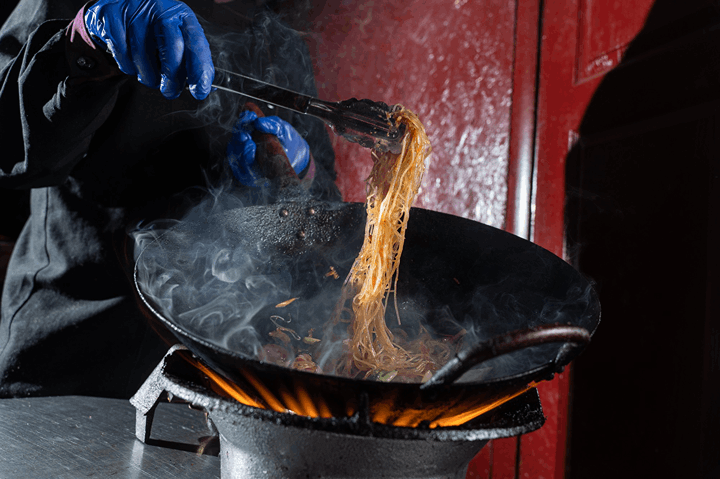
Have you ever taken your first bite of a perfectly stir-fried dish and thought, “Wow, this tastes smoky, savory, and alive”—even though there’s no charcoal grill in sight? That magical aroma and flavor isn’t an accident. It’s called Wok Hei, often described as “the breath of the wok.”
To Cantonese food lovers, Wok Hei is a badge of authenticity, a test of a chef’s skill, and the soul of true stir-fried Chinese cuisine.
In this article, we’ll dive deep into what Wok Hei really is, the science behind its irresistible aroma, how chefs achieve it, and why it plays such an important role in Cantonese cuisine. Let’s keep reading!
What Is Wok Hei?
Wok Hei (鑊氣) literally translates to “wok energy” or “the breath of the wok.” In practical terms, it refers to the complex cooking method that creates smoky aroma, deep savory flavor, and slight charred notes that come from cooking food extremely quickly over very high heat in a wok.
Wok Hei is not a sauce you can pour in, nor a spice you can sprinkle on. It’s something that happens during cooking, when heat, oil, ingredients, and movement come together at just the right moment.
To Cantonese chefs, achieving Wok Hei is a matter of pride. Miss it, and the dish feels flat. Nail it, and the dish feels alive.
The Science Behind Wok Hei: Why It Smells So Good
While Wok Hei feels almost mystical, it’s actually the result of very real chemical and physical processes. Let’s break it down:
1. The Maillard Reaction: Flavor Magic in Action
The Maillard reaction happens when proteins and sugars in food are exposed to high heat. This reaction:
Creates hundreds of new flavor compounds
Produces savory, nutty, roasted aromas
Gives food a golden-brown color
In stir-frying, this reaction happens very fast, especially when ingredients hit a blazing-hot wok. That’s why properly stir-fried beef or seafood tastes deeper and more complex than gently cooked versions.
2. Oil Vaporization and Micro-Smoking
At extremely high temperatures, oil doesn’t just cook food but it vaporizes. When tiny droplets of hot oil coat the ingredients and briefly combust, they create a subtle smoky aroma.
3. Brief Contact with Flames
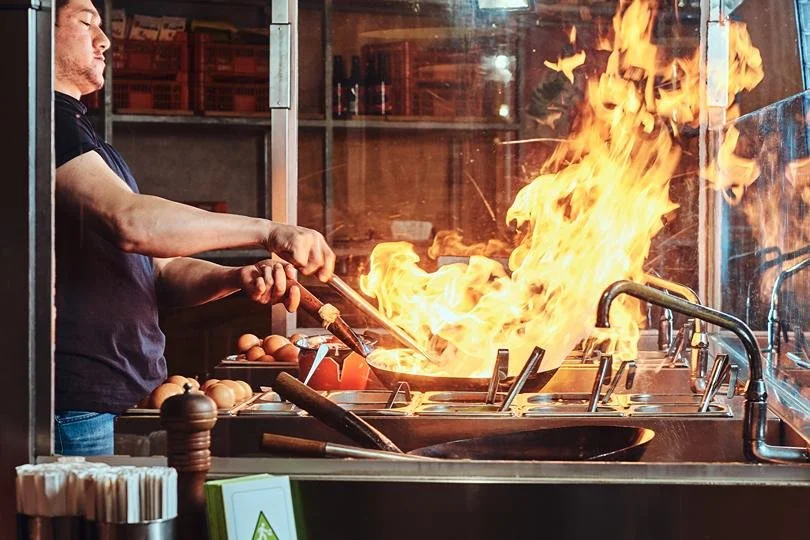
In professional kitchens, especially Cantonese ones, gas burners shoot flames up the sides of the wok. When the chef tosses the food:
Oil droplets and vapors momentarily hit open flames
This creates quick bursts of smoky compounds
The food is infused with aroma
This process happens in seconds, but it makes a massive difference.
4. Rapid Moisture Evaporation
High heat causes moisture to evaporate quickly. This prevents food from becoming soggy and instead:
Concentrates flavors
Keeps vegetables crisp
Helps sauces cling without watering down
That’s why Wok Hei dishes taste bold but not heavy.
How Chefs Achieve Wok Hei: Techniques That Make the Difference
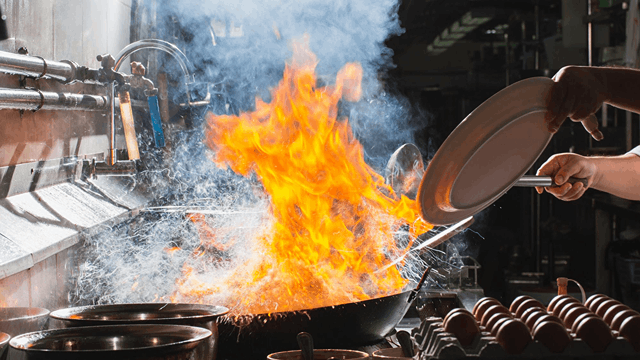
Wok Hei is never a matter of luck—it is the result of experience, precision, and confidence at the stove. Cantonese chefs rely on a combination of heat, movement, and timing to create that signature smoky aroma. Below are the key techniques that make Wok Hei possible.
1. Extremely High Heat (No Fear!)
Wok Hei demands a level of heat that most home kitchens simply can’t achieve. Professional Cantonese kitchens use powerful gas burners capable of producing intense, roaring flames.
This extreme heat jumpstarts the Maillard reaction, allowing ingredients to sear instantly rather than slowly steam. As a result, cooking happens in seconds, locking in texture and flavor. A wok that isn’t hot enough will never produce true Wok Hei.
2. Proper Wok Tossing (The Signature Move)
That iconic tossing motion chefs perform is more than just theatrical flair. Tossing ensures ingredients are evenly exposed to the hottest parts of the wok while briefly lifting them into hot air and flames.
This movement prevents sticking, avoids overcooking, and helps infuse food with smoky aroma. Timing is everything as too much tossing cools the wok, while too little risks burning the food.
3. The Right Amount of Oil
Oil plays a crucial role in achieving Wok Hei, but it must be used with precision. Too little oil causes ingredients to stick and cook unevenly, while too much results in greasy, heavy flavors. When used correctly, oil acts as a heat conductor, carries aroma, and helps create that distinctive smoky scent that defines Wok Hei.
4. Cooking in Small Batches
Overcrowding the wok is one of the fastest ways to lose Wok Hei. When too many ingredients are added at once, the wok’s temperature drops, moisture is released, and food begins to steam instead of sear. This is why experienced Cantonese chefs cook in small, controlled batches, ensuring the heat stays high and flavors remain bold.
5. Perfect Timing of Sauces and Seasonings
In Wok Hei cooking, sauces and seasonings are usually added at the very end. Added too early, sauces can burn and turn bitter; added too late, they won’t coat the ingredients evenly.
When timed perfectly, sauces lightly caramelize and fuse with the smoky aroma of the wok, completing the dish with depth and balance.
Why Wok Hei Is So Important in Cantonese Cuisine
Cantonese cuisine is built on the principles of freshness, balance, and respect for natural flavors. Rather than overpowering ingredients, Wok Hei enhances them, adding depth and character while allowing the original taste of each component to shine.
1. It Honors Fresh Ingredients
Wok Hei elevates ingredients without masking their natural qualities. Instead of relying on heavy spices or thick sauces, the intense heat and quick cooking process bring out the best in each element.
Seafood becomes sweeter and more aromatic, meats develop a deeper savory richness, and vegetables gain complexity while still tasting clean and fresh. The result is a flavor that feels layered yet honest.
2. It Showcases Culinary Skill
While anyone can follow a recipe, achieving true Wok Hei is a different challenge altogether. It requires experience to read the wok, precision to control timing and heat, and confidence to cook under extreme temperatures.
In Cantonese culture, a dish with good Wok Hei is a clear sign of a masterful chef who is someone who understands both technique and instinct.
3. It Creates Emotional Connection
The smoky aroma of Wok Hei has a powerful way of triggering memories. For many, it brings back images of family dinners, lively Hong Kong street-side eateries, or joyful celebration meals shared with loved ones. Wok Hei carries nostalgia, comfort, and a sense of home, nourishing both the stomach and the heart.
Ocean Dynasty: Where Wok Hei Comes Alive
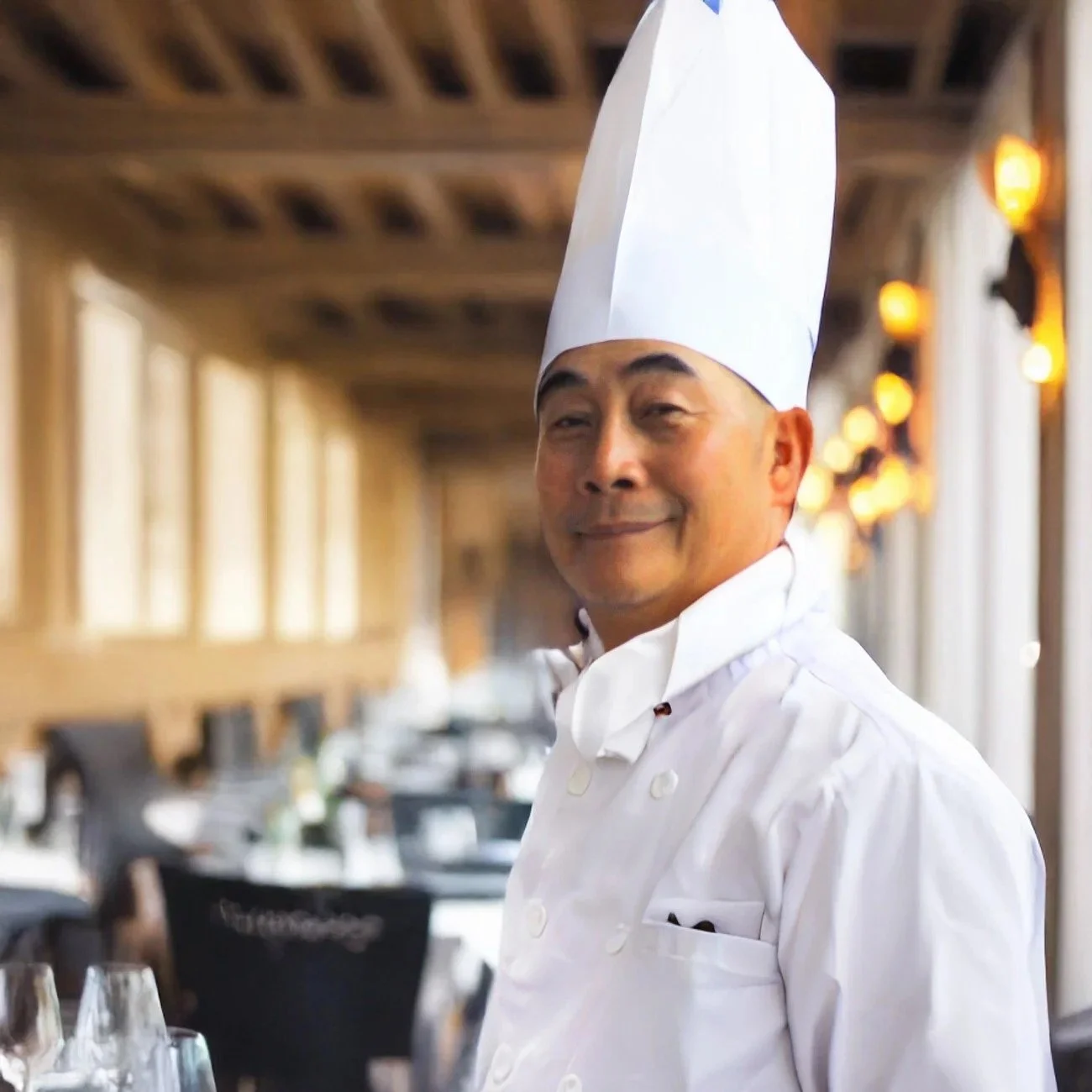
At Ocean Dynasty, the chefs understand that Wok Hei is non-negotiable. Using high-powered woks, expert tossing techniques, and premium ingredients, they bring authentic Cantonese stir-fry flavors to life.
Here are some standout dishes where Wok Hei truly shines:
Yang Chow Fried Rice
Yang Chow Fried Rice must be cooked in a wok over extremely high heat and in a very short time. This fast, intense stir-fry technique prevents the rice from turning mushy while creating that signature smoky aroma known as Wok Hei, giving each grain a dry, fluffy texture and rich flavor.
Fried Noodles with Seafood
Just like fried rice, Cantonese-style fried noodles need to be cooked quickly over high heat. This ensures the noodles stay springy, not soggy, while absorbing the bold flavors and smoky fragrance that define authentic Cantonese stir-fry.
Stir-Fried Sliced Beef with Ginger & Spring Onion
Chinese-style beef stir-fries are cooked at lightning speed. The quick exposure to high heat keeps the beef tender and juicy, while allowing the ginger and spring onion to release their sharp, aromatic fragrance that perfectly complements the meat.
Fried Rice Noodles with Beef & Black Bean Sauce
Rice noodles (kwetiau) are one of the dishes that rely most heavily on Wok Hei. They must be stir-fried quickly over intense heat before the sauce is added, ensuring the noodles develop a smoky aroma without breaking or becoming soggy.
Asparagus with XO Sauce
Chinese vegetables are often cooked using the Wok Hei technique, also known as chao. This method keeps the asparagus crisp and crunchy while preserving its vibrant green color, allowing the XO sauce to shine without overpowering the natural freshness of the vegetables.
Try Authentic Wok Hei at Ocean Dynasty!
If you’ve ever been curious about what real Wok Hei tastes like, then Ocean Dynasty is a must-visit. This is where authentic Cantonese stir-fry truly comes alive, crafted by skilled chefs who understand that great Wok Hei is all about heat, timing, and mastery.
Before you visit, be sure to explore Our Signature Features and browse our menu to discover dishes that highlight this iconic wok technique. And for the smoothest, most enjoyable dining experience, we highly recommend booking your reservation in advance.
Reserve your seat through WhatsApp, a phone call (+62 811-1920-9007), or our website, so everything is perfectly prepared for you when you arrive. One visit, one bite, and you’ll understand why Wok Hei is best experienced at Ocean Dynasty.
FAQ
Is Wok Hei the same as burnt food?
No. Burnt food tastes bitter and unpleasant. Wok Hei is smoky, savory, and balanced.
Does Wok Hei require a gas stove?
Traditionally, yes. Gas flames help create the brief combustion needed for Wok Hei. Electric stoves make it harder.
Can vegetarian dishes have Wok Hei?
Absolutely! Stir-fried vegetables and tofu can develop beautiful Wok Hei when cooked correctly.