A Culinary Explorer's Guide to Authentic Chinese Desserts
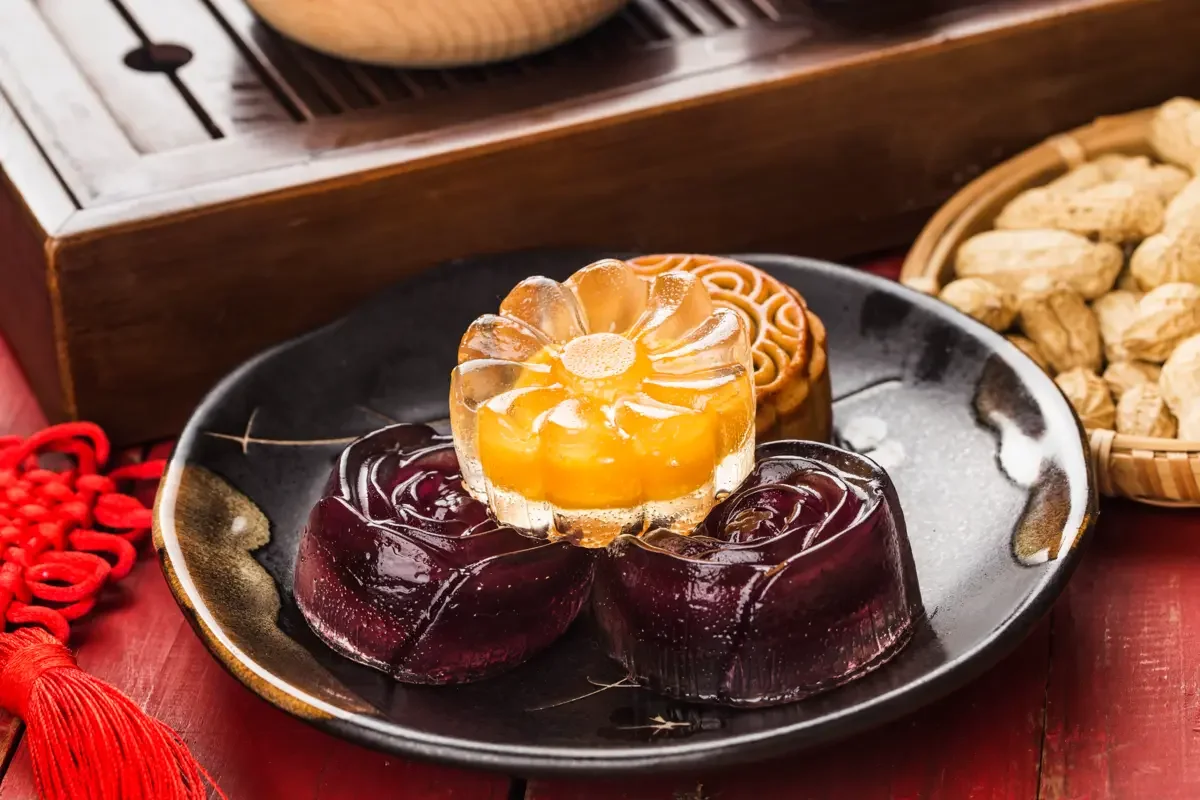
Many people skip Chinese desserts simply because they don't know what they're missing. The truth is, Chinese desserts are an exciting world of unique textures, subtle sweetness, herbal ingredients, and centuries-old traditions.
Unlike rich cakes loaded with butter or sugary pastries topped with frosting, Chinese desserts focus on balance, freshness, and natural flavors. They're designed to refresh your palate rather than overwhelm it, making them the perfect way to finish a satisfying meal.
In this guide, you'll discover what makes Chinese desserts different, why they're worth trying, and some of the most popular Chinese sweets—including the famous Guilinggao (Kwe Ling Kao) that you can enjoy at Ocean Dynasty.
Why Do So Many People Misunderstand Chinese Desserts?
One of the biggest misconceptions about Chinese cuisine is that dessert isn't really part of the dining experience.
Many diners believe Chinese restaurants only offer:
Fresh fruit
Vanilla ice cream
Sweet buns
Fortune cookies (which actually aren't traditional Chinese desserts)
Because of these assumptions, people often skip dessert altogether.
However, authentic Chinese cuisine has an incredibly rich dessert culture that dates back hundreds of years. Across China, desserts vary by region, season, and even traditional medicinal philosophy.
Some desserts are served warm, while others are chilled. Some feature beans, sesame, herbs, or glutinous rice instead of chocolate and cream.
Rather than serving something extremely sweet, Chinese desserts are intended to gently conclude a meal while leaving you feeling refreshed and comfortable.
What Makes Chinese Desserts Different?
The biggest difference between Chinese desserts and many Western desserts lies in their philosophy. Instead of maximizing sweetness, Chinese desserts aim for balance.
Chinese desserts often use:
Red beans
Black sesame
Lotus seeds
Sweet potatoes
Taro
Rice flour
Coconut milk
Herbal ingredients
Rock sugar
Instead, each dessert complements the meal by offering gentle sweetness and interesting textures that leave your palate refreshed.
This lighter approach makes Chinese desserts surprisingly enjoyable even after a large banquet or seafood feast.
The Philosophy Behind Chinese Desserts
Chinese cooking has long emphasized harmony. This philosophy extends beyond savory dishes and into desserts as well.
Many traditional desserts are inspired by concepts that value moderation and ingredients believed to promote overall well-being. While modern diners often enjoy these desserts simply because they're delicious, many recipes have roots in centuries of culinary tradition.
That doesn't mean every Chinese dessert is healthy or medicinal—but it does explain why they're generally less sweet than cakes, brownies, or cheesecakes.
For many first-time visitors, this subtle sweetness is a pleasant surprise.
Popular Types of Chinese Desserts
China's dessert traditions are incredibly diverse. Here are some of the most beloved sweet treats.
1. Sweet Red Bean Desserts
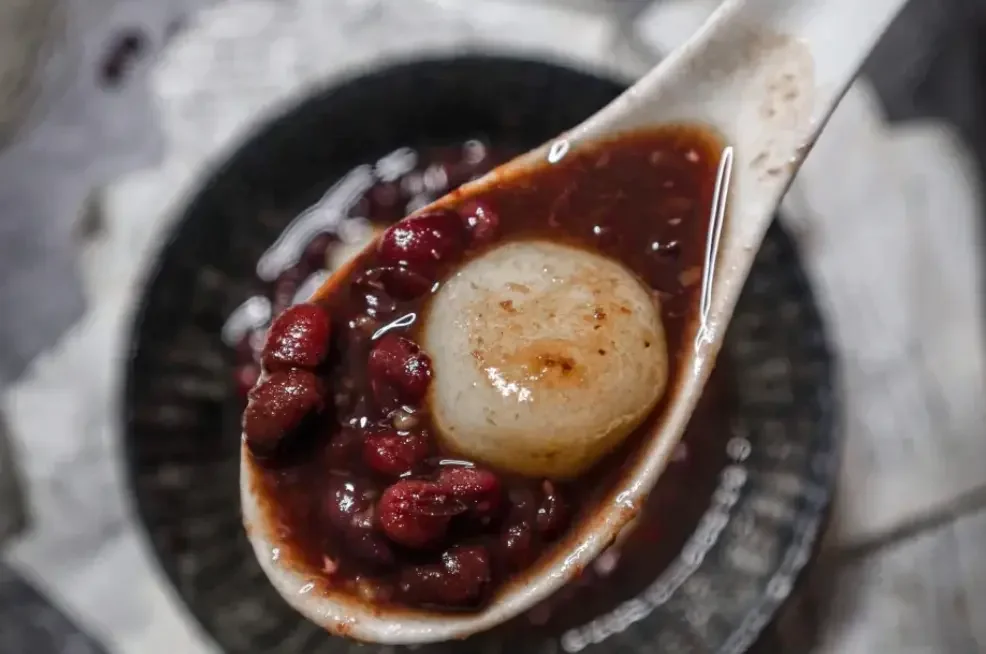
Red beans are one of the most iconic dessert ingredients in Chinese cuisine.
They're transformed into smooth pastes, soups, pastries, mooncakes, and buns with a naturally earthy sweetness.
For many first-time visitors, red bean desserts become an instant favorite because they're comforting without being overly sugary.
2. Black Sesame Desserts
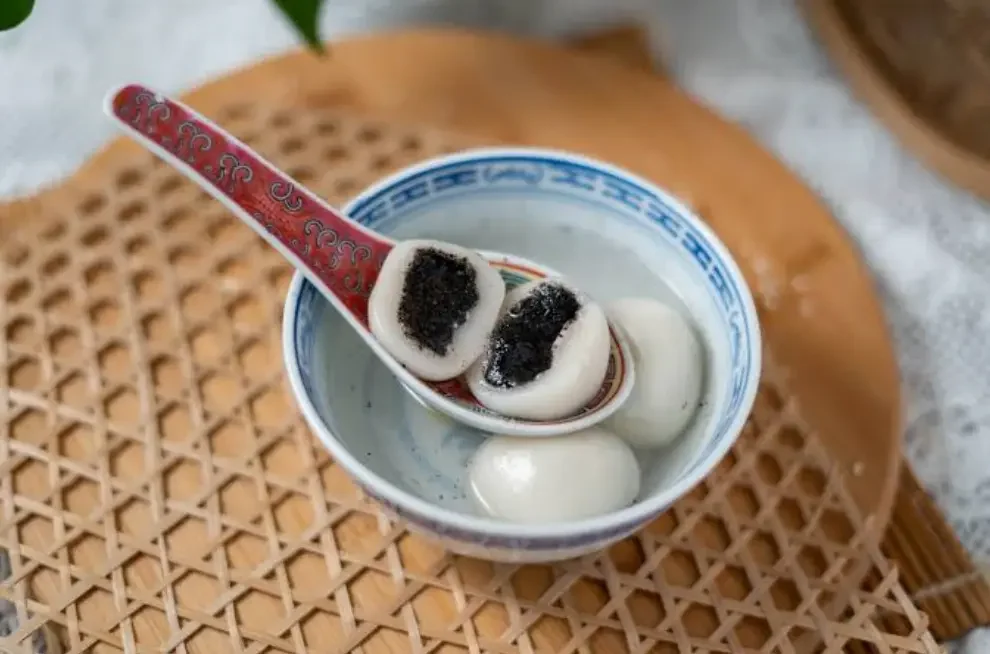
Black sesame is famous for its rich, nutty flavor. It appears in:
Sesame soup
Rice balls
Pastries
Sweet buns
Sesame paste
The deep roasted aroma makes these desserts incredibly satisfying while still maintaining a gentle sweetness.
3. Mango-Based Desserts
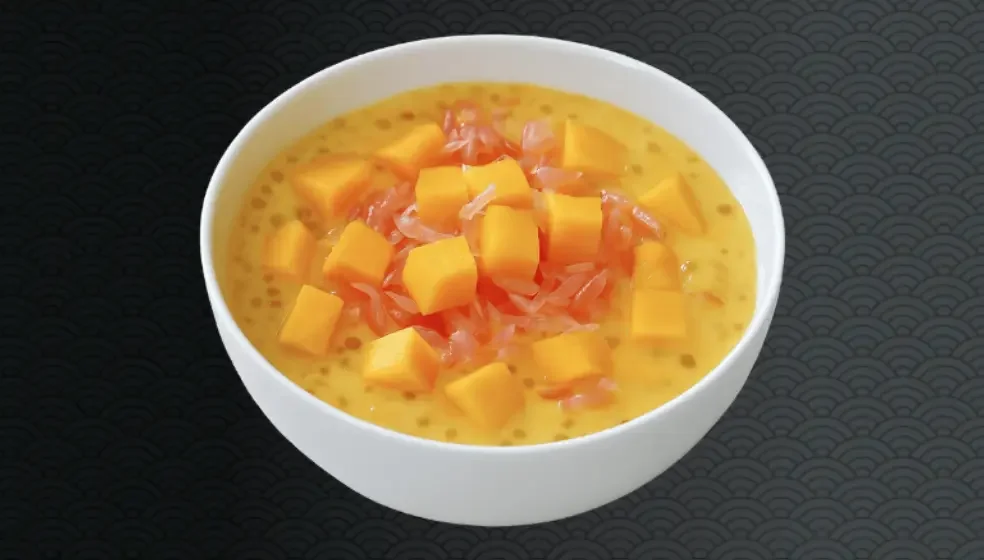
Modern Cantonese desserts frequently feature tropical fruits. Popular options include:
Mango pudding
Mango sago
Mango pomelo desserts
These chilled treats are refreshing and creamy without relying heavily on dairy.
4. Rice Ball Desserts (Tang Yuan)
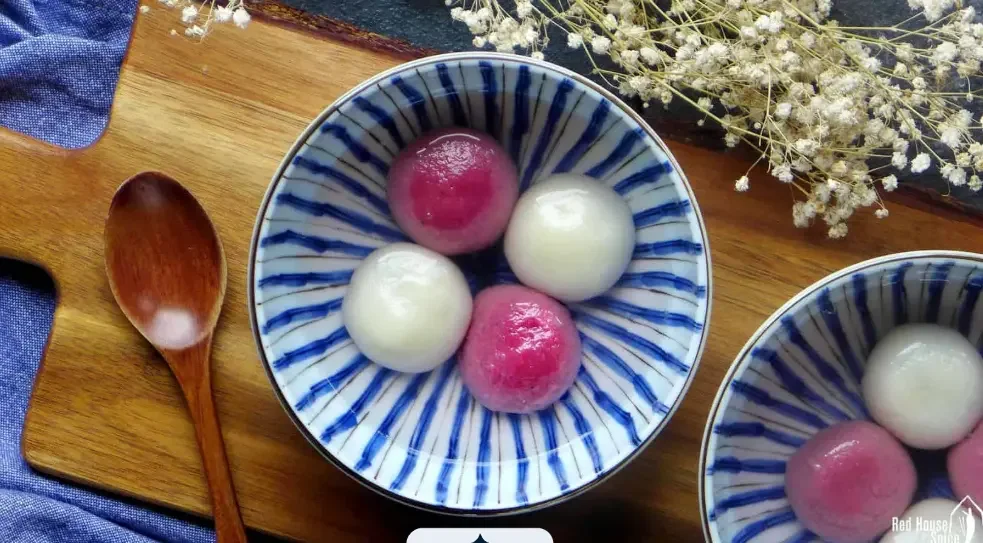
Tang Yuan are chewy glutinous rice balls traditionally enjoyed during festivals. They're usually served in a lightly sweet soup that enhances their comforting texture.
5. Egg Tarts
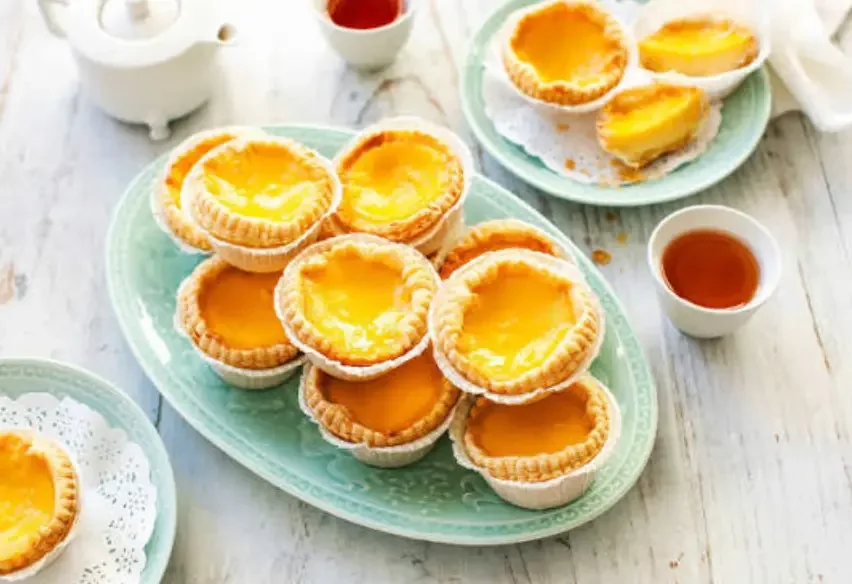
One of the most famous Cantonese desserts, egg tarts combine flaky pastry with silky egg custard. They're lightly sweet, buttery, and best enjoyed warm.
Although influenced by Portuguese and British baking traditions, egg tarts have become an iconic part of Cantonese cuisine.
6. Herbal Jelly Desserts
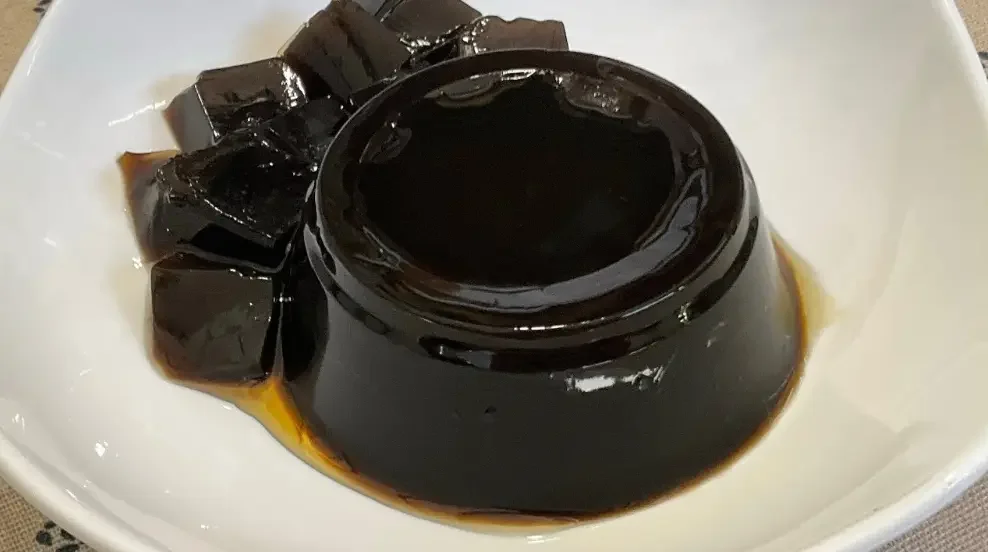
Perhaps the most unique category of Chinese desserts is herbal jelly. This is where Guilinggao, also known as Kwe Ling Kao, stands out.
Unlike traditional cakes or puddings, Guilinggao offers a pleasantly smooth jelly texture with a mildly bitter herbal taste that's often balanced by honey or syrup.
For adventurous food lovers, it's one of the most memorable desserts to experience.
Experience Authentic Chinese Desserts at Ocean Dynasty
If you've never tasted authentic Chinese desserts before, Ocean Dynasty is the perfect place to start.
One of the restaurant's signature desserts is Kwe Ling Kao (Guilinggao), prepared with the smooth texture and balanced flavor that have made this traditional dessert a favorite for generations.
Whether you're already a fan of Chinese sweets or trying one for the very first time, this refreshing dessert offers a wonderful introduction to the lighter side of Chinese cuisine.
It pairs beautifully with Ocean Dynasty's wide selection of Cantonese dishes, seafood specialties, dim sum, and roasted favorites.
End Your Meal on the Sweetest Note at Ocean Dynasty
A memorable Chinese dining experience doesn't end with the last bite of your main course. At Ocean Dynasty, you can complete your meal with the authentic taste of Kwe Ling Kao (Guilinggao), a traditional herbal jelly that perfectly captures the light, balanced philosophy of Chinese desserts.
Before your next visit, be sure to explore our menu and make a reservation in advance through the website, WhatsApp, or by calling +62 811-1920-9007 (WhatsApp or Call).
Whether you're celebrating a special occasion or simply craving authentic Cantonese cuisine, Ocean Dynasty is ready to make every course a delicious experience you'll remember.
FAQ
Are Chinese desserts very sweet?
Generally, no. Most traditional Chinese desserts have a much lighter sweetness compared to Western cakes, cookies, and pastries.
What is China's most popular dessert?
China doesn't have a single national dessert, but Tang Yuan (glutinous rice balls), egg tarts, mango pudding, and red bean soup are among the most popular and widely enjoyed.
What are typical Chinese desserts?
Typical Chinese desserts are light and subtly sweet, often made with ingredients like red beans, black sesame, glutinous rice, tofu, fresh fruit, and herbal jelly. Popular examples include Tang Yuan, egg tarts, mango pudding, Guilinggao (Kwe Ling Kao), Douhua (tofu pudding), and red bean soup.
Are Chinese desserts served hot or cold?
Both. Some desserts, like sweet soups, are served warm, while others, such as Guilinggao or mango pudding, are chilled.
What's the best Chinese dessert for beginners?
If you're trying Chinese desserts for the first time, mango pudding, egg tarts, and Kwe Ling Kao (Guilinggao) are all excellent choices because they offer different textures and flavors while remaining approachable.