What Is a Century Egg? A Guide to This Bold Chinese Egg
The century egg is one of the most fascinating foods in Chinese cuisine. Its mysterious appearance and unusual name often spark curiosity, along with a few myths that simply aren't true.
The truth is, century eggs aren't 100 or 1,000 years old, nor are they spoiled. They're actually a carefully preserved delicacy that has been enjoyed for centuries across China and other parts of Asia. With their creamy texture, rich umami flavor, and unique appearance, century eggs offer an unforgettable culinary experience that adventurous food lovers often end up falling in love with.
In this guide, we'll uncover everything you need to know about century eggs and the best way to enjoy them. Let’s check it out!
What Is a Century Egg?
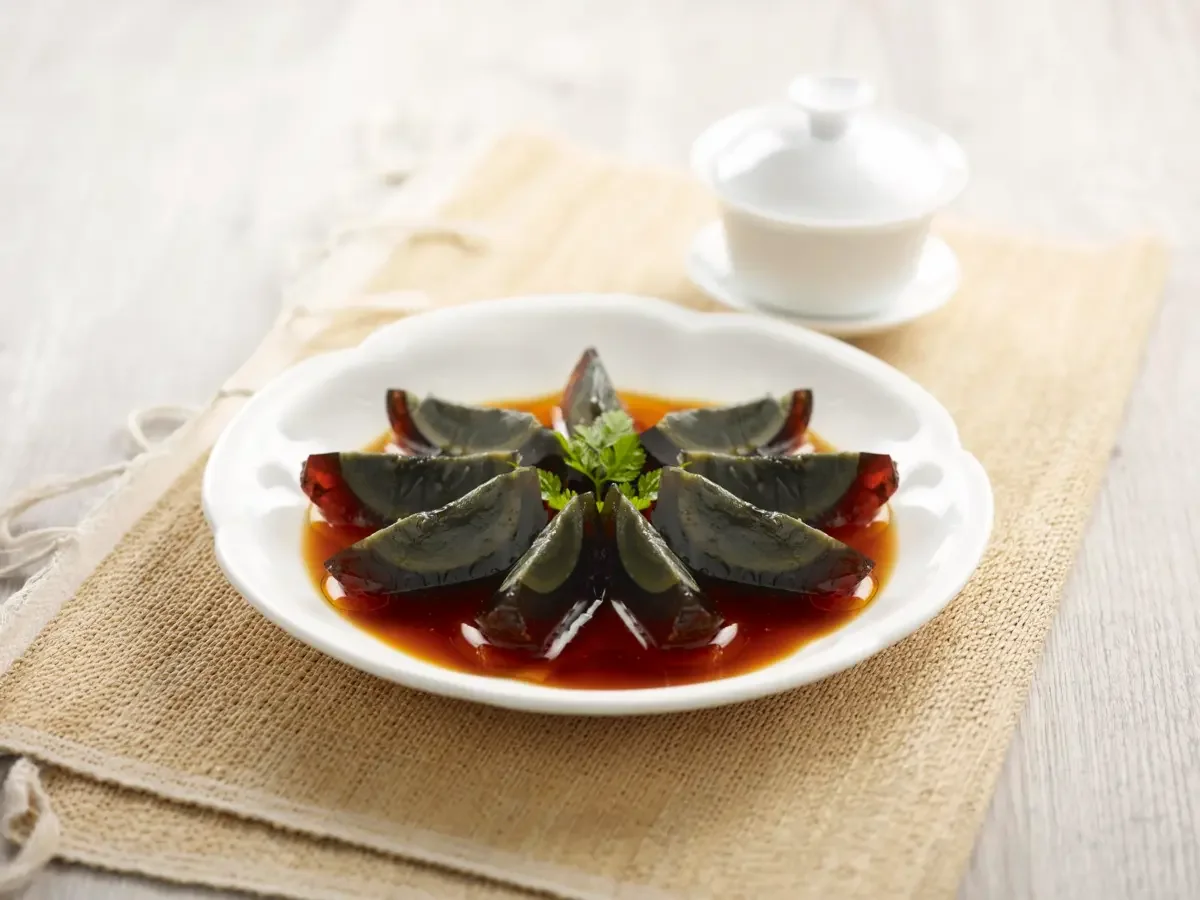
A century egg, also known as a preserved egg, pidan, or thousand-year egg, is a traditional Chinese delicacy made by preserving duck, chicken, or quail eggs for several weeks or months.
Despite its dramatic nickname, a century egg is not literally hundreds or thousands of years old. The preservation process usually takes anywhere from three weeks to several months, depending on the production method.
During preservation, the egg undergoes a fascinating chemical transformation:
The egg white turns into a translucent, dark brown or black jelly.
The yolk becomes creamy, soft, and ranges from dark green to gray.
The flavor becomes richer, more complex, and deeply savory.
The result is an entirely different eating experience compared to a regular boiled egg.
Rather than being rotten, the egg is intentionally transformed through controlled preservation, creating one of the world's most iconic traditional foods.
Where Did Century Eggs Come From?
Century eggs have been enjoyed in China for hundreds of years, dating back to the Ming Dynasty.
According to one popular story, a farmer discovered duck eggs preserved naturally in alkaline mud near a construction site. After tasting them, he found that they had developed an incredibly rich flavor rather than spoiling. This accidental discovery eventually evolved into the preservation method used today.
Over time, century eggs became a staple in Chinese cuisine and spread throughout many regions in Asia, where each area developed its own serving style and recipes.
Today, century eggs are considered a classic ingredient in Cantonese cuisine and are often served:
As a cold Chinese appetizer
With pickled ginger
In congee
With tofu
Alongside other delicacies in traditional banquets
Why Is It Called a Century Egg?
This is probably the biggest misconception surrounding the dish. The name "century egg" is simply a colorful nickname. The eggs are not aged for 100 years.
They're also not 1,000 years old, despite another common name: thousand-year egg.
The dramatic names originated because the eggs look incredibly old after preservation, with their dark colors and unusual textures. Early Western visitors translated the names literally, and the myth has remained ever since.
In reality, most commercially produced century eggs are preserved for only a few weeks to several months.
Is Century Egg Safe to Eat?
One of the most common questions people ask is: Is century egg safe to eat? The answer is yes when it is properly produced and purchased from reputable sources.
Century eggs are preserved through a controlled chemical process, not by allowing the egg to rot. The alkaline environment actually prevents harmful bacterial growth during preservation.
Modern commercial production follows food safety standards, making century eggs perfectly safe to enjoy.
Common Myths About Century Eggs
Because of their unusual appearance, century eggs have become the subject of many internet myths.
Myth 1: They're hundreds of years old.
False. Most century eggs are preserved for only a few weeks or months.
Myth 2: They're rotten eggs.
False. Rotten eggs spoil due to bacterial decomposition. Century eggs are intentionally preserved through an alkaline curing process, which transforms the egg instead of letting it decay.
Myth 3: They're unsafe.
False. Properly produced century eggs are safe to eat and widely enjoyed throughout Asia and around the world.
Myth 4: They smell terrible.
Not exactly. Century eggs do have a stronger aroma than regular eggs, but it isn't a sign that they've gone bad.
Many people compare the scent to strong cheese, but enjoyable once you become familiar with it.
What Does Century Egg Taste Like?
Surprisingly, century eggs are much milder than they look. The flavor is often described as:
Rich and savory
Deeply umami
Creamy
Slightly earthy
Mildly mineral
Smooth with a lingering finish
The yolk is especially luxurious, almost resembling a rich cheese or creamy custard in texture.
Meanwhile, the translucent egg white is firmer and slightly bouncy, offering an interesting contrast.
The unique flavor becomes even more enjoyable when paired with ingredients that add freshness, acidity, or crunch.
That's why century eggs are often served with ginger, vinegar, tofu, or refreshing appetizers.
Try Ocean Dynasty's Marinated Jellyfish & Century Egg
If you're ready to step outside your culinary comfort zone, Ocean Dynasty's Marinated Jellyfish & Century Egg is an excellent introduction to this iconic Chinese ingredient.
This refreshing appetizer combines two fascinating textures in one beautifully balanced dish. The contrast between the two creates a unique mouthfeel that's both refreshing and satisfying.
The marinated jellyfish brings lightness and a delicate crunch, while the century egg adds richness and creaminess that lingers on the palate. Together, they create a harmonious appetizer that showcases the artistry of Chinese cuisine.
Even diners who are trying century egg for the very first time often find this combination surprisingly approachable because the fresh seasoning and balanced flavors allow each ingredient to shine without overwhelming the palate.
Discover the Bold Flavors of Chinese Cuisine at Ocean Dynasty
Curious to find out what century eggs really taste like? There's no better place to experience this iconic delicacy than Ocean Dynasty. Our Marinated Jellyfish & Century Egg is the perfect appetizer to introduce you to two of Chinese cuisine's most unique textures in one delicious bite.
While you're there, don't forget to explore Ocean Dynasty's menu of authentic Chinese favorites, carefully crafted to delight every taste preference. To enjoy the best dining experience, be sure to check the menu and reserve your table in advance through WhatsApp or by calling +62 811-1920-9007, or make your reservation via the website.
Your next unforgettable Chinese dining adventure is waiting at Ocean Dynasty!
FAQ
Are century eggs actually old?
No. They're usually preserved for several weeks to several months, not hundreds or thousands of years.
Are century eggs raw?
No. They're preserved through an alkaline curing process that transforms the egg without traditional cooking.
Is century egg safe to eat?
Yes. Century eggs produced by reputable manufacturers and served by trusted restaurants are safe to eat.
Why is the yolk green or gray?
The preservation process changes the egg's natural pigments and proteins, giving the yolk its distinctive color and creamy texture.
What does a century egg taste like?
Century egg has a rich, savory umami flavor with a creamy, custard-like yolk and a firm, jelly-like egg white. Its taste is mildly earthy and slightly mineral, but much milder than its appearance suggests. Many people compare the creamy yolk to a rich cheese, making it a unique yet surprisingly approachable delicacy.