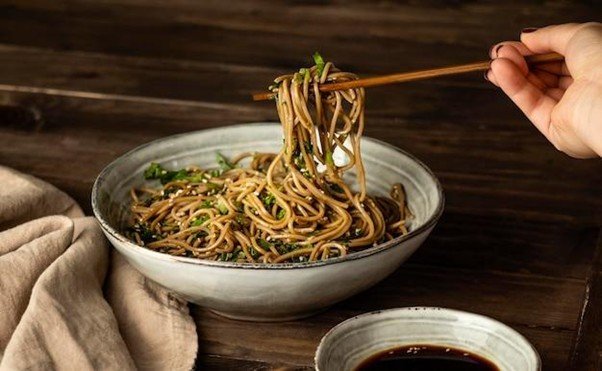
Chinese noodles are more than just a staple food, they are a cultural symbol, a culinary art form, and a reflection of centuries-old traditions. Whether served in a comforting bowl of soup or stir-fried with savory sauces, Chinese noodles continue to captivate food lovers around the world.
Today, we’ll explore the history of Chinese noodles, their symbolic meaning, the variety of textures and cooking styles, and how modern restaurants like Ocean Dynasty bring these traditions to life with premium ingredients. Let’s keep reading!
A Brief History of Chinese Noodles
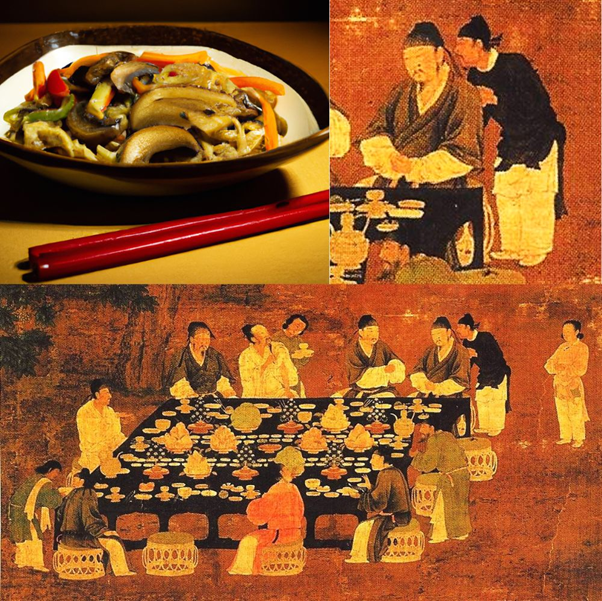
The origin of Chinese noodles dates back over 4,000 years, making them one of the oldest known staple foods in the world. Archaeological discoveries in China revealed ancient noodles made from millet, showing that noodle-making has been part of Chinese life since early civilization.
Over time, noodle production evolved alongside agricultural and culinary advancements. Wheat-based noodles became more common during the Han Dynasty, and by the Tang and Song Dynasties, noodles had become a central part of daily meals. Different regions in China began developing their own noodle styles, influenced by local ingredients, climate, and cultural preferences.
Today, Chinese noodles come in countless varieties, from hand-pulled lamian to knife-cut noodles and delicate rice vermicelli. Each type tells a story of regional identity and culinary craftsmanship.
The Symbolism of Noodles in Chinese Culture
In Chinese culture, noodles are deeply symbolic, especially as a representation of longevity. Long, unbroken noodles signify a long and prosperous life, which is why they are commonly served during birthdays and festive occasions.
One of the most well-known dishes is the Chinese birthday noodle, often referred to as Long Life Birthday Noodle. These noodles are intentionally made extra long and are never cut during cooking or eating, as breaking them is believed to symbolize shortening one’s lifespan.
During celebrations, eating noodles is not just about nourishment, it’s about expressing wishes for health, happiness, and longevity. This cultural meaning elevates noodles from a simple dish to a meaningful tradition that connects generations.
Noodle Textures and Types
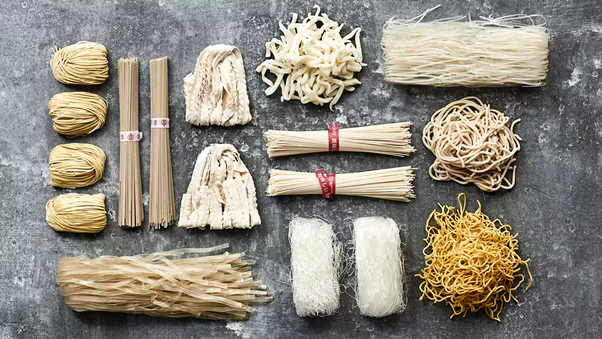
One of the most fascinating aspects of Chinese noodles is their diversity in texture. Texture plays a crucial role in the overall dining experience, and it is carefully considered in every dish.
1. Wheat Noodles
Wheat noodles are among the most common and include varieties like lo mein and chow mein. They can be soft and chewy or slightly firm, depending on the cooking technique.
Soft noodles are typically used in soups or lightly tossed dishes.
Firm noodles are ideal for stir-frying, as they hold their shape and absorb sauces well.
2. Rice Noodles
Rice noodles are made from rice flour and are naturally gluten-free. They range from thin vermicelli to wide, flat sheets.
Thin rice vermicelli is often used in dishes like Fried rice vermicelli Singapore style. While wider rice noodles are commonly used in stir-fried dishes such as Fried rice noodles with beef & black bean sauce.
Their texture is generally smooth and slightly slippery, making them perfect for soaking up rich flavors.
3. Glass Noodles
Also known as cellophane noodles, these are made from mung bean starch. They have a translucent appearance and a springy, slightly chewy texture.
4. Hand-Pulled and Knife-Cut Noodles
These traditional noodles showcase the artistry of the Chinese cooking method. Hand-pulled noodles are elastic and chewy, while knife-cut noodles have a rustic, uneven texture that adds character to dishes.
Different Ways Chinese Noodles Are Served
Chinese noodles are incredibly versatile and can be prepared in many ways. The cooking method greatly influences the flavor, texture, and overall experience.
1. Stir-Fried Noodles
Stir-frying is one of the most popular ways to prepare noodles. This method involves cooking noodles quickly over high heat with oil, vegetables, protein, and sauce.
The result is a dish that is smoky, aromatic, and full of flavor. Examples include:
Fried noodle with seafood
Fried rice noodles with seafood & eggs sauce
Fried rice vermicelli with seafood
These dishes often feature a balance of textures, tender noodles, crisp vegetables, and juicy proteins, making them both satisfying and dynamic. Also available at Ocean Dynasty.
2. Noodle Soups
Noodle soups are beloved for their comforting qualities. They typically consist of a flavorful broth, noodles, and toppings such as meat, seafood, or vegetables.
The broth can range from light and clear to rich and hearty, depending on the ingredients and cooking style. Noodle soups are perfect for colder days or when you’re craving something soothing.
3. Dry Tossed Noodles
Unlike soups, dry tossed noodles are served without broth. Instead, they are mixed with sauces and toppings, allowing the flavors to coat each strand evenly. These dishes highlight the noodles themselves, emphasizing texture and seasoning.
4. Cold Noodles
Cold noodle dishes are refreshing and often served with tangy or spicy sauces. They are especially popular during warmer months.
Try Chinese Noodles at The Ocean Dynasty!
As you continue exploring the rich flavors and traditions of Chinese noodles, there’s no better way to experience them than by tasting authentic dishes crafted with care and premium ingredients.
At Ocean Dynasty Bali, every plate reflects the essence of traditional techniques elevated with fresh seafood and high-quality beef. Our top recommendations are:
Fried Rice Vermicelli Singapore Style
Fried Rice Vermicelli with Seafood
Fried Noodle with Seafood
Long Life Birthday Noodle
Fried Rice Noodle with Beef & Black Bean Sauce
Fried Rice Noodle with Seafood & Egg Sauce
Ready to enjoy our menu? Make your reservation now through their official page or reach out directly via WhatsApp or call at +62 811-1920-9007 and treat yourself to an unforgettable dining experience.
FAQ
What makes Chinese noodles different from other types of noodles?
Chinese noodles vary widely in ingredients, texture, and preparation methods. They include wheat, rice, and starch-based varieties, each offering a unique culinary experience.
Why are noodles associated with longevity in Chinese culture?
Long noodles symbolize a long life. Eating uncut noodles, especially during birthdays, represents wishes for health and longevity.
What is a Chinese birthday noodle?
A chinese birthday noodle is a dish made with extra-long noodles, often served during birthdays to symbolize long life. It is also known as Long life Birthday noodle.