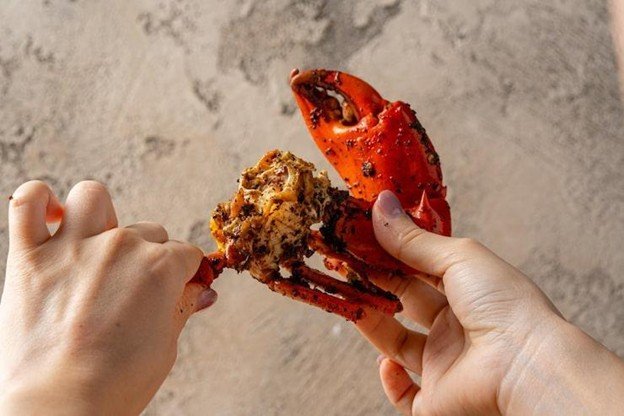
Cracking into a delicious crab might look intimidating at first—but once you know the tricks, it turns into one of the most fun and satisfying dining experiences ever. Imagine sweet, juicy crab meat dipped in rich, flavorful sauce, the sound of shells cracking, and that rewarding moment when you pull out a perfect chunk of meat. Mouth-watering already, right?
In this guide, you’ll learn everything you need to confidently enjoy crab like a pro—from cracking claws without chaos to savoring every hidden bite. Plus, we’ll introduce you to the tools experts use and where you can experience the ultimate crab feast.
Essential Tools for Eating Crab Like a Pro
Before diving in, let’s talk about the tools that make everything easier. Most chinese seafood restaurants provide these, but knowing how to use them properly can turn a potentially messy struggle into a smooth, enjoyable experience.
1. Crab Cracker (Nutcracker)
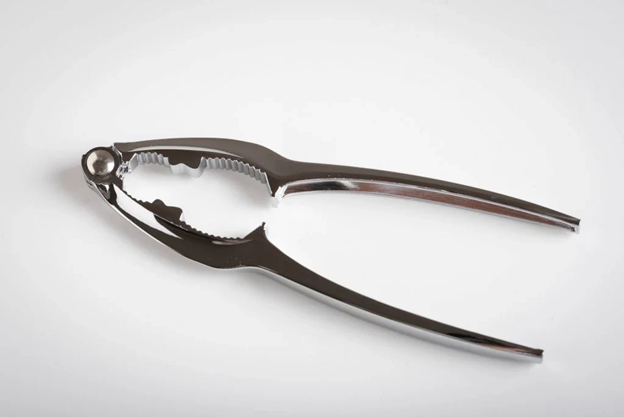
The crab cracker is your main weapon when it comes to tackling hard shells, especially the claws and thicker leg segments. At first glance, it looks similar to a nutcracker, but it’s designed to apply just the right amount of pressure to crack shells without crushing the delicate meat inside.
To use it effectively, place the claw or leg between the grips and press gently until you hear a crack—don’t overdo it. The goal is to create an opening, not to shatter the shell into tiny pieces.
Once cracked, you can either pull the shell apart with your hands or use a seafood pick to extract the meat cleanly. Mastering this tool means you’ll be able to enjoy big, satisfying chunks of crab meat instead of digging through broken bits.
2. Seafood Fork / Pick
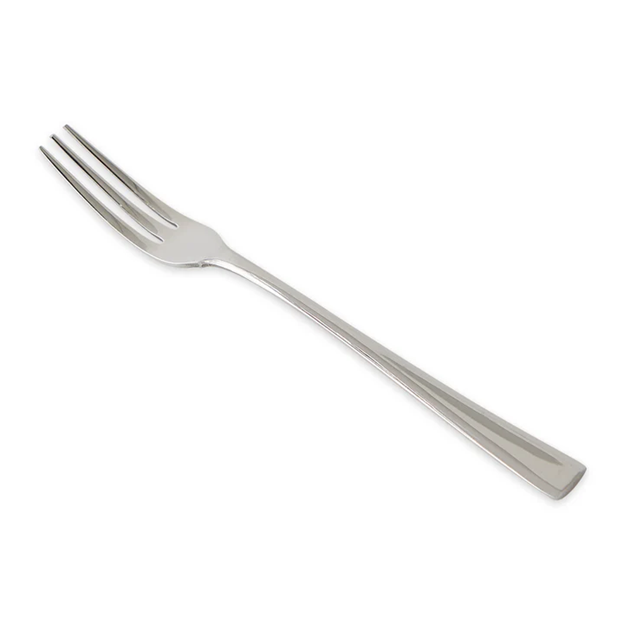
This small, slender tool might look simple, but it’s incredibly important—especially when dealing with narrow spaces like crab legs, joints, and body crevices. These are the areas where some of the sweetest, most tender meat hides, but they’re also the hardest to reach.
A seafood fork or pick allows you to gently hook, pull, and tease out the meat without damaging it. Insert it into the shell, twist slightly, and pull the meat out in one smooth motion. It’s especially useful after you’ve cracked the shell with a crab cracker, helping you retrieve every last bit without waste.
3. Kitchen Scissors
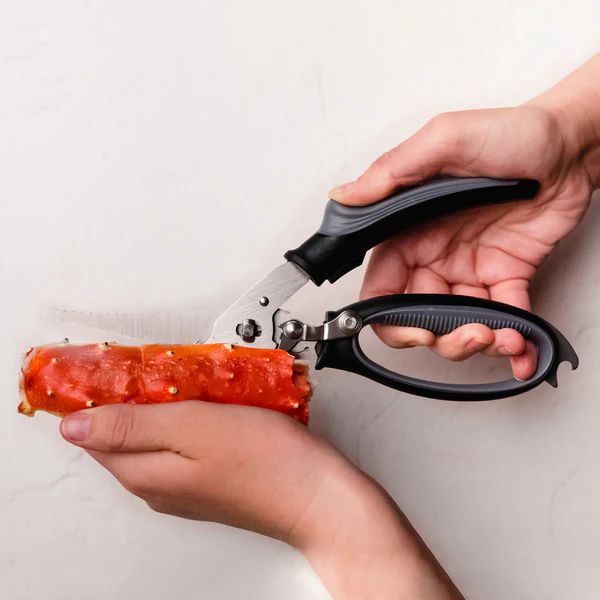
Kitchen scissors are a game-changer, particularly for those who prefer a cleaner and more controlled approach.
To use them, simply snip along the length of the shell and open it up like a book. This method not only keeps things tidy but also preserves the shape of the meat, making it easier to enjoy in one piece. Scissors are especially helpful for beginners who may feel intimidated by cracking tools, as they offer more precision and less force.
4. Mallet (Wooden Hammer)
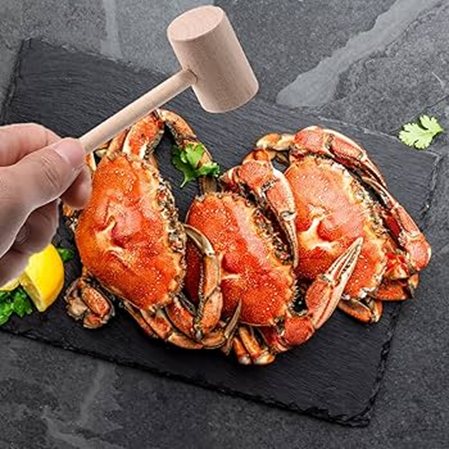
For larger crabs with thick, tough shells, a wooden mallet can be incredibly useful. While it might seem a bit dramatic, it actually provides controlled force that helps crack open stubborn sections without excessive effort.
The key to using a mallet is moderation. Place the crab claw or shell on a stable surface, then tap it gently rather than smashing it.
A few light taps are usually enough to break the shell open while keeping the meat intact. This tool is often provided in seafood restaurants that serve large crabs, adding a fun, hands-on element to the dining experience.
5. Gloves & Bibs
While not essential tools for cracking shells, gloves and bibs play an important role in keeping your dining experience comfortable—especially when you’re enjoying saucy crab dishes like chili crab or salted egg crab.
Gloves help you maintain a better grip on slippery shells while keeping your hands clean from sticky, flavorful sauces. Meanwhile, a bib protects your clothes from splashes and drips, allowing you to fully enjoy the meal without worrying about stains. When things get deliciously messy (which they will!), you’ll be glad you have them.
Step-by-Step: How to Eat Crab Without the Mess
Ready to get hands-on? Follow this simple process to enjoy crab efficiently (and with minimal chaos).
1. Start with the Legs and Claws
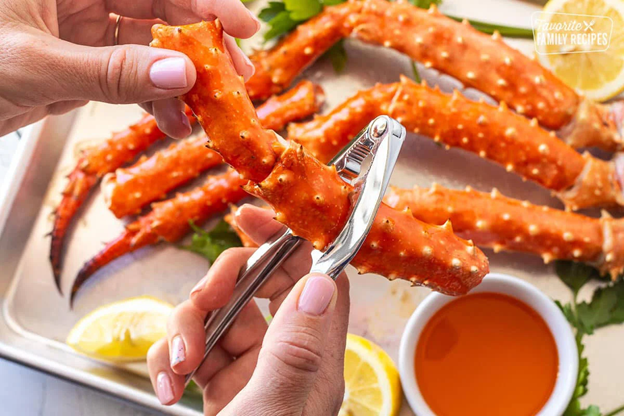
The claws are the highlight as they contain the biggest chunks of meat.
How to do it:
Twist the claw away from the body
Use a crab cracker to gently crack the shell
Pull the meat out in one piece if possible
For legs:
Break them into smaller segments
Use a seafood pick to extract the meat
2. Open the Body
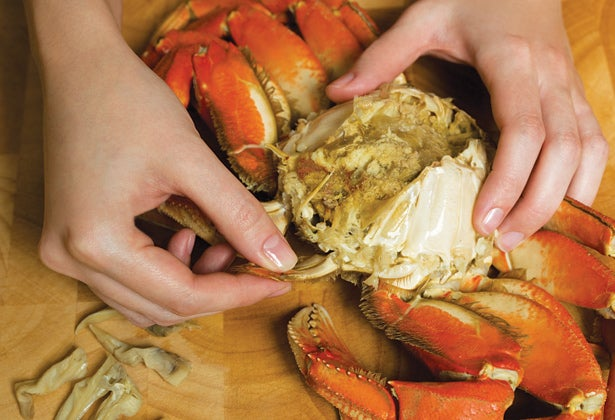
This is where a lot of hidden treasure lives.
Steps:
Flip the crab over
Lift the apron (small flap on the underside)
Pull off the top shell
Remove the gills as they’re not meant to be eaten.
3. Break the Body in Half
Once cleaned, snap the crab into two halves. Use your fingers or a fork to dig out the meat.
4. Don’t Forget the Hidden Gems
Some of the best parts of a crab are often overlooked, even though they’re packed with incredible flavor. The knuckles—located at the joints between the claw and the body—are a hidden gem, offering super tender and juicy meat that many people miss. These small sections may take a little extra effort to reach, but the reward is absolutely worth it.
Another underrated area is the body corners. While they may look small and less meaty at first glance, they actually hold concentrated pockets of rich, flavorful crab meat. With a bit of patience and the help of a seafood pick, you can uncover these delicious bites.
Take your time when exploring these parts—this is where true crab lovers really shine, savoring every last bit and making the most out of the entire crab.
Must-Try Crab Experience at Ocean Dynasty
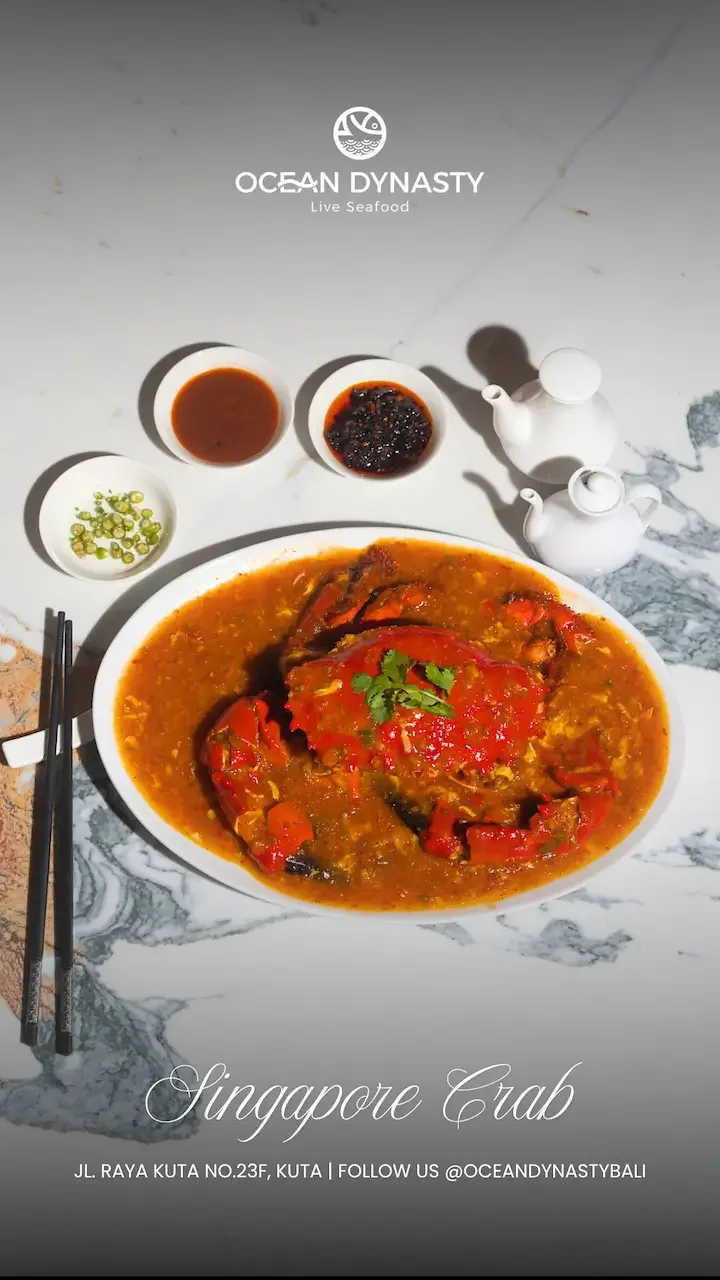
If you’re ready to put your crab-eating skills into action, there’s no better place to start than Ocean Dynasty—a destination for authentic Chinese crab dishes done right. This is where the experience goes beyond just eating; it’s about savoring premium ingredients, bold flavors, and expertly crafted dishes in every bite.
At Ocean Dynasty, you can enjoy a selection of premium crab dishes made from fresh, live crabs that are cooked to perfection. Each dish is carefully prepared to highlight the natural sweetness of the crab while pairing it with rich, irresistible sauces that elevate the entire dining experience.
Recommended Menu:
1. Live Papuan Crab
Known for its impressively large size, Live Papuan Crab offers thick, juicy, and naturally sweet meat that’s perfect for sharing. It’s an ideal choice if you’re looking for a satisfying, indulgent seafood feast with family or friends.
2. Red Crab
A flavorful favorite among seafood lovers, Red Crab delivers a slightly different texture and taste profile that pairs beautifully with a variety of signature sauces. It’s a must-try for those who enjoy exploring rich and bold crab dishes.
Signature cooking styles you must try:
Singapore Chili Crab
Black Pepper Crab
Salted Egg Yolk Crab
Stir-Fried Crab with Chilli & Garlic (HK Style)
Taste the Best Crab at Ocean Dynasty Today!
Ready to turn your cravings into a truly memorable dining experience? Make your way to Ocean Dynasty and discover the rich, authentic flavors of Chinese cuisine—especially their irresistible crab dishes that are crafted to impress in every bite.
Before you go, be sure to explore our menu and book your reservations—whether through WhatsApp, a quick phone call (+62 811-1920-9007), or the website—so you can enjoy a seamless, satisfying, and unforgettable seafood feast without the wait. Your next favorite meal is waiting!
FAQ
What is the proper way to eat crab?
Start by separating the legs and claws from the body. Next, move on to the body. Once cleaned, break the body in half to expose more meat hidden in the chambers.
Is it okay to eat crab with your hands?
Absolutely! In fact, it’s the best way to enjoy it. Using your hands helps you access every part easily.
What parts of the crab should not be eaten?
Avoid:
Gills (“dead man’s fingers”)
Shell
Stomach sac
Stick to the meat and edible soft parts.
What’s the easiest crab to eat for beginners?
Crabs with larger claws and legs (like mud crab or king crab) are easier because the meat is more accessible.