
What Is Oyster Sauce? The Everyday Cantonese Staple
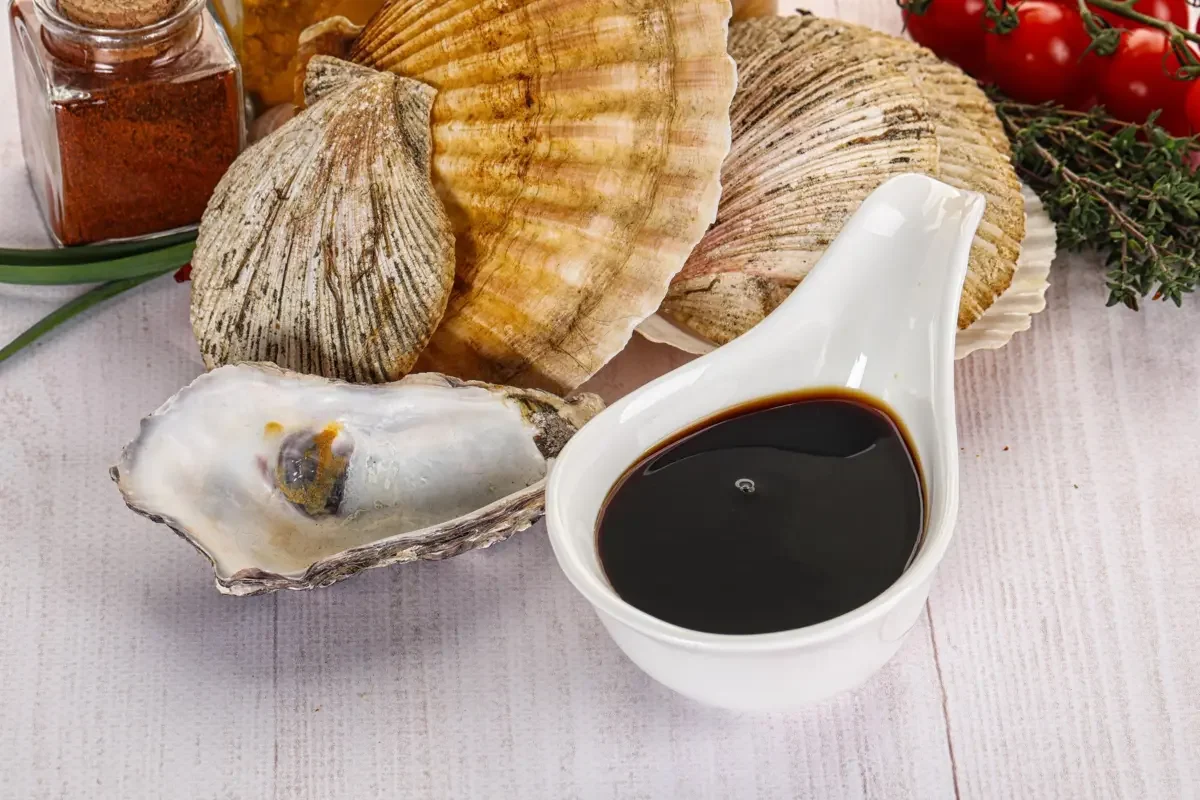
Have you ever tasted a plate of perfectly stir-fried vegetables at a Cantonese restaurant and wondered why they tasted so incredibly rich, savory, and satisfying? Surprisingly, the secret is something sitting quietly in the kitchen pantry: oyster sauce.
Despite being one of the most widely used condiments in Chinese cooking, oyster sauce is often misunderstood. Many people assume it's simply a finishing sauce drizzled over dishes before serving.
In reality, oyster sauce is one of the cornerstones of Cantonese cuisine, playing a much bigger role than just adding a glossy finish. It provides depth, complexity, and that irresistible umami flavor that makes countless Cantonese dishes memorable.
Let's discover what makes oyster sauce so special!
What Is Oyster Sauce?
Oyster sauce is a thick, dark brown condiment made primarily from oyster extracts, combined with seasonings that create a rich, savory, slightly sweet, and deeply umami flavor.
Unlike soy sauce, which is fermented from soybeans, oyster sauce gets much of its distinctive taste from oysters themselves. The sauce isn't overly fishy as many first-time users imagine. Instead, it delivers a mellow seafood richness balanced by sweetness and caramelized notes.
The Origins of Oyster Sauce
One of the most fascinating things about oyster sauce is that it was actually discovered by accident. According to culinary history, oyster sauce was invented in 1888 by Lee Kum Sheung, a chef from Guangdong Province in southern China.
The story goes that while simmering oysters into soup, he accidentally left the pot cooking for too long. Instead of burning completely, the liquid slowly reduced into a thick, glossy brown sauce with an incredibly concentrated flavor. After tasting it, he realized he had created something extraordinary.
This happy accident eventually led to the creation of one of the world's most famous Chinese condiments.
How Traditional Oyster Sauce Is Made
Traditional oyster sauce requires patience and high-quality ingredients. The classic production process includes several careful steps.
1. Fresh Oysters Are Selected
Everything begins with fresh oysters harvested from clean coastal waters. Since oysters naturally contain minerals, amino acids, and glutamates, they provide the foundation for the sauce's signature umami flavor.
2. Slow Simmering
The oysters are gently simmered for many hours. During this process:
Natural juices are extracted.
The liquid becomes increasingly concentrated.
Complex savory flavors develop naturally.
Unlike artificial flavoring, this slow reduction creates layers of taste that cannot be rushed.
3. Reduction
As water evaporates, the oyster liquid becomes thicker and darker. Natural sugars caramelize, while amino acids continue developing rich umami notes. This stage gives authentic oyster sauce its luxurious consistency.
4. Seasoning
Traditional recipes may add:
Salt
Sugar
Soy sauce (in small amounts)
Sometimes starch for consistency
The goal is never to overpower the oyster flavor but to preserve its natural richness.
5. Bottling
The finished sauce is filtered, bottled, and ready for cooking. Authentic oyster sauce should have:
A glossy appearance
Thick but pourable texture
Rich aroma
Balanced sweetness
Deep savory finish
Traditional Oyster Sauce vs. Modern Commercial Versions
Not all oyster sauces are created equal. Today's supermarket shelves are filled with many varieties, but they differ significantly in ingredients, flavor, and quality.
Traditional oyster sauce typically contains:
High oyster extract content
Natural umami
Longer cooking process
Richer aroma
More balanced flavor
Fewer unnecessary additives
Because it relies heavily on real oyster reduction, the taste feels deeper and more authentic.
Many commercial brands are designed to be more affordable and shelf-stable. They often contain:
Lower oyster extract
Water
Sugar
Salt
Modified starch
Flavor enhancers
Caramel coloring
Some products contain only a small percentage of actual oyster extract, relying more heavily on seasonings to imitate the traditional flavor.
What Does Oyster Sauce Taste Like?
If you've never tried oyster sauce before, you might think it tastes very fishy because it's made from oysters. Surprisingly, that's not the case. Instead, oyster sauce has a rich, savory flavor with just the right balance of sweetness and saltiness.
The most noticeable flavor is umami, often described as a deep, savory taste that makes food more flavorful and satisfying. Oyster sauce also has a slight sweetness that balances its savory taste.
At the same time, it has a mild saltiness, but it's much gentler than soy sauce, so it enhances ingredients without making them taste too salty.
The Often Overlooked Gluten Content in Oyster Sauce
One detail many people don't realize is that not all oyster sauce is gluten-free. Although oysters themselves naturally contain no gluten, many commercial oyster sauces include ingredients derived from wheat.
The most common source is soy sauce, which is frequently brewed using wheat alongside soybeans. Some manufacturers also use wheat-based thickeners or other gluten-containing additives to achieve a particular texture or flavor.
For individuals with celiac disease or gluten sensitivity, it's important to read ingredient labels carefully before purchasing oyster sauce. Fortunately, some manufacturers now produce gluten-free oyster sauce made with gluten-free soy sauce or alternative ingredients while maintaining the rich umami taste that oyster sauce is known for.
Why Oyster Sauce Is Essential in Cantonese Cuisine
Cantonese cooking is famous for celebrating the natural flavors of ingredients. Rather than relying on heavy spices, chefs focus on freshness, balance, and harmony.
Instead of masking vegetables or meats, it enhances their natural sweetness while adding richness and body.
You'll often find oyster sauce used in dishes such as:
Stir-fried Chinese broccoli
Braised mushrooms
Beef with broccoli
Chicken stir-fry
Seafood dishes
Noodle recipes
Braised tofu
Vegetable stir-fries
One of the most iconic combinations is oyster sauce with leafy green vegetables. The slight sweetness of vegetables like bok choy beautifully complements the deep umami of oyster sauce, creating a dish that's simple yet incredibly flavorful.
A Classic Example: Ocean Dynasty's Braised Bok Choy with Oyster Sauce
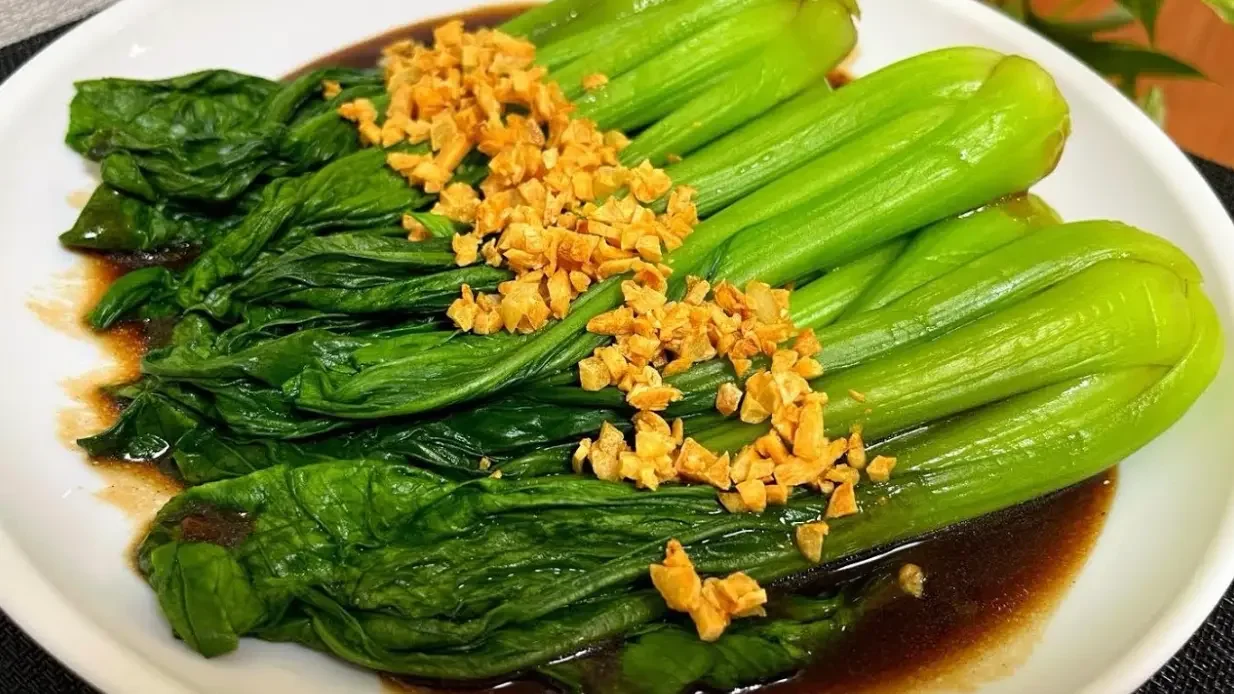
If you want to experience how oyster sauce is traditionally used in Cantonese cuisine, Ocean Dynasty's Braised Bok Choy with Oyster Sauce is an excellent example.
At first glance, the dish appears wonderfully simple. Fresh bok choy is gently braised until tender while still retaining its pleasant crunch. The vegetables are then coated in a glossy oyster sauce that highlights, rather than overwhelms, their natural sweetness.
The beauty of this dish lies in its balance. Instead of relying on heavy spices, the oyster sauce brings layers of savory umami, subtle sweetness, and a silky finish that complements the freshness of the bok choy.
It also demonstrates why oyster sauce is much more than a condiment served on the side. In this classic preparation, it acts as the primary flavor foundation, transforming a humble vegetable into an elegant dish that's both comforting and deeply satisfying.
Tips for Cooking with Oyster Sauce
If you're planning to cook with oyster sauce at home, here are a few simple tips to get the best results:
Use it in moderation. A little goes a long way thanks to its concentrated flavor.
Add it toward the end of cooking. This helps preserve its rich aroma and glossy finish.
Pair it with fresh ingredients. Vegetables, mushrooms, beef, chicken, tofu, and seafood all complement oyster sauce beautifully.
Combine it with other Cantonese staples. Ginger, garlic, soy sauce, sesame oil, and a splash of Shaoxing wine create wonderfully balanced flavors.
Store it properly. Once opened, refrigerate the bottle to maintain freshness and flavor.
Ready to Experience the Real Flavor of Oyster Sauce?
Reading about oyster sauce is one thing—but tasting it in an authentic Cantonese dish is a completely different experience. If you're in Bali, treat yourself to the rich flavors of Ocean Dynasty, where traditional Cantonese recipes are prepared with premium ingredients and some of the safest, freshest seafood you can enjoy.
To enjoy the best dining experience, be sure to check out Ocean Dynasty's menu and reserve your table in advance. You can easily make a reservation via WhatsApp or call at +62 811-1920-9007, or book directly through the Ocean Dynasty website.
Planning ahead helps ensure your table is ready, so you can simply relax, savor every bite, and enjoy an unforgettable Cantonese dining experience with your family and friends!
FAQ
Is oyster sauce made from real oysters?
Yes. Traditional oyster sauce is made by slowly reducing oyster extracts. Modern commercial versions also contain oyster extract, although the amount varies between brands.
Does oyster sauce taste fishy?
Not at all. It has a rich umami flavor with mild sweetness and savory depth rather than a strong seafood taste.
Is oyster sauce the same as soy sauce?
No. Soy sauce is made from fermented soybeans, while oyster sauce is made from oyster extracts and has a thicker texture, sweeter profile, and more concentrated umami flavor.
Is oyster sauce gluten-free?
Not always. Many commercial oyster sauces contain wheat through soy sauce or other ingredients. If you need to avoid gluten, choose a product specifically labeled gluten-free and always check the ingredient list.
Can vegetarians eat oyster sauce?
Traditional oyster sauce contains oysters, making it unsuitable for vegetarians and vegans. However, vegetarian "oyster-style" sauces made from mushrooms are widely available and offer a similar umami-rich flavor.