
Prawn vs Shrimp: What's the Real Difference, and Why It Matters When You Order
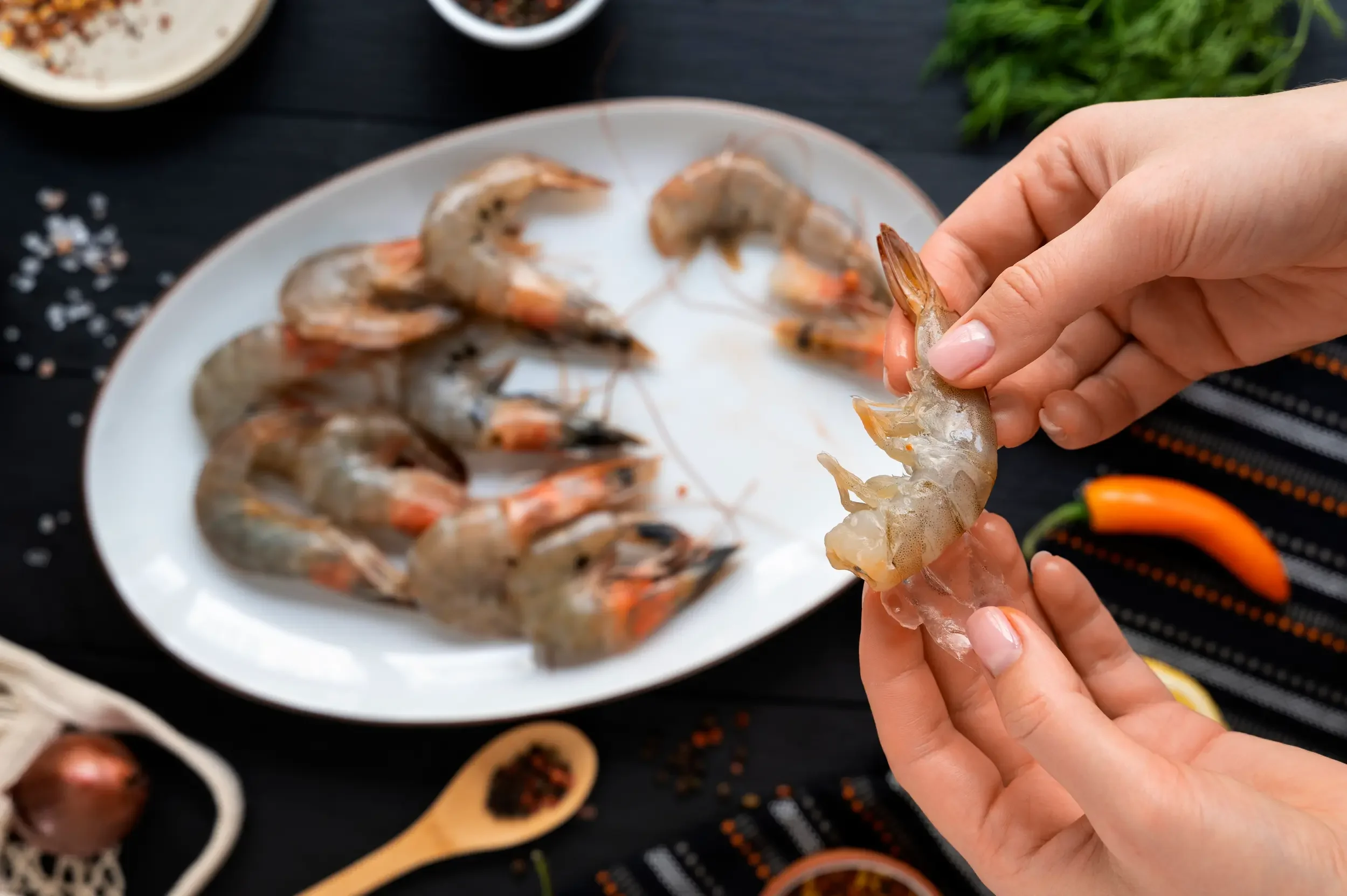
Have you ever looked at a seafood menu and noticed that some dishes are made with prawns while others feature shrimp? If you're like most diners, you've probably assumed they're just two different names for the same thing.
In restaurants around the world—especially Chinese seafood restaurants—the words "prawn" and "shrimp" are often used interchangeably. This naturally raises a question: what actually sets a prawn apart from a shrimp? Are they really different animals, or is it just a marketing term? More importantly, does it matter when you're sitting down to enjoy a delicious seafood feast?
Let's dive into the fascinating world of prawns and shrimp in this article!
Prawn vs Shrimp: What's the Actual Difference?
No, prawns and shrimp are not simply different names for the same animal.
Although they both belong to the crustacean family and look very similar at first glance, prawns and shrimp come from different biological suborders. In scientific terms, shrimp belong to the suborder Pleocyemata, while prawns belong to the suborder Dendrobranchiata.
Of course, most people aren't examining seafood through a microscope. Fortunately, there are a few physical differences that make them easier to distinguish.
1. Prawns Have More Claws
One of the easiest anatomical differences involves their legs and claws. Prawns have three pairs of claw-like legs, while shrimp only have one prominent pair of claws.
If you've ever seen live seafood displayed in tanks, this difference becomes easier to spot up close.
2. Their Body Shapes Are Different
Another noticeable difference is the shape of their bodies. Prawns typically have a straighter body structure. Their segments overlap differently, giving them a more elongated appearance.
Shrimp, on the other hand, tend to have a more curved body. This is why many shrimp naturally form a "C" shape when cooked.
While this difference isn't always obvious once they're plated and served, seafood experts can often identify them immediately.
3. They Prefer Different Habitats
Habitat is another major distinction. Most shrimp species live in saltwater environments such as oceans, coastal waters, and estuaries.
Prawns are more commonly associated with freshwater habitats including rivers, lakes, and ponds.
That said, nature is never completely simple. Some species can thrive in brackish water, and there are exceptions to the rule. However, as a general guideline, shrimp are typically linked to saltwater while prawns are more commonly found in freshwater environments.
Prawn vs Shrimp Taste — Is There a Real Difference?
Now for the question most food lovers really care about: Do prawns and shrimp actually taste different?
The short answer is yes, but only slightly.
For most people, the flavor difference is subtle enough that they can be substituted for each other in nearly any recipe without dramatically changing the final dish.
1. Prawns Are Often Slightly Sweeter
Many seafood enthusiasts describe prawns as having a slightly sweeter flavor profile.
Because many prawns come from freshwater environments, they can develop a richer, more meaty taste compared to shrimp. Their larger size also contributes to a firmer bite that some diners prefer.
2. Shrimp Tend to Be Lighter and Snappier
Shrimp are often described as having a lighter flavor and a more delicate texture. When cooked properly, shrimp can have a pleasant "snap" that works beautifully in stir-fries, noodles, fried rice, and soups.
Their flavor is clean, slightly briny, and highly versatile.
3. Freshness Matters More Than Species
The difference between a fresh shrimp and a poor-quality shrimp is usually much greater than the difference between a shrimp and a prawn.
Factors that influence flavor include:
Water quality
Diet
Farming practices
Wild-caught versus farm-raised sourcing
Handling after harvest
Transportation and storage
Freshness at the time of cooking
These factors have a much bigger impact on taste than whether the seafood is technically classified as a prawn or shrimp.
4. Why Chinese Cuisine Highlights the Difference
In Chinese cooking, ingredient quality takes center stage. Many Chinese seafood dishes use cooking methods designed to preserve and enhance the natural flavor of the seafood rather than mask it.
Popular techniques include:
Steaming
Stir-frying
Claypot cooking
Salt-and-pepper frying
Garlic cooking
Superior broth preparation
Because these techniques are relatively simple, the natural sweetness and freshness of the seafood become much more noticeable.
That's why premium Chinese live seafood restaurants place such a strong emphasis on sourcing high-quality live seafood.
Prawn vs Shrimp Protein — Which Is More Nutritious?
If you're choosing seafood as part of a healthy diet, you'll be happy to know that both prawns and shrimp are excellent nutritional choices.
In fact, the nutritional differences between them are surprisingly small.
1. Both Are Excellent Sources of Lean Protein
A typical 3-ounce (85-gram) serving of either prawns or shrimp provides approximately:
18 grams of protein
Around 85 calories
Very little fat
Minimal carbohydrates
This makes them ideal for anyone looking to increase protein intake while keeping calories relatively low.
Whether you're trying to build muscle, maintain a healthy weight, or simply eat more nutritious meals, both options fit easily into a balanced diet.
2. Rich in Omega-3 Fatty Acids
Prawns and shrimp both contain omega-3 fatty acids. These healthy fats are associated with numerous health benefits, including support for:
Heart health
Brain function
Eye health
Healthy inflammation response
Although fatty fish like salmon contain higher levels of omega-3s, shrimp and prawns still contribute valuable amounts to your diet.
3. Excellent Source of Selenium
One nutrient in prawn and shrimp that often gets overlooked is selenium. A small serving of shrimp or prawns can provide roughly 50% of your recommended daily selenium intake.
Selenium plays important roles in:
Immune function
Thyroid health
Antioxidant protection
Cellular repair
4. Packed with Essential Vitamins and Minerals
Both prawns and shrimp are also rich in:
Vitamin B12
Iron
Phosphorus
Zinc
Copper
These nutrients support energy production, red blood cell formation, bone health, and overall wellness.
5. What About Cholesterol?
A serving of shrimp or prawns contains approximately 166 mg of cholesterol per 85 grams.
While this number may seem high, modern nutrition research suggests that dietary cholesterol has less impact on blood cholesterol levels than previously believed for most healthy individuals.
Can You Substitute One for the Other in Cooking?
Absolutely. In most recipes, prawns and shrimp can be substituted for one another with excellent results. Here are several points to take note:
1. Watch the Size Difference
The biggest consideration is size. Prawns are generally larger than shrimp. Because of this, cooking times may need slight adjustments.
Larger prawns typically require a little longer cooking time, while smaller shrimp cook very quickly.
2. Avoid Overcooking
The golden rule for both shrimp and prawn dishes is simple: Don't overcook them. Overcooked seafood quickly becomes tough, rubbery, and dry.
A good visual indicator is the center of the flesh. Once the translucent appearance disappears and the meat becomes opaque, they're usually done.
3. Shell-On or Peeled?
Both prawns and shrimp can be cooked with or without their shells. Each method offers unique advantages.
Shell-on cooking is often preferred because the shell helps retain moisture during the cooking process, resulting in juicier and more flavorful seafood. It also adds depth to the overall taste and creates a more impressive presentation when served at the table. Peeled cooking, on the other hand, offers greater convenience.
Many Chinese seafood dishes intentionally leave the shell intact. The shell acts like a natural protective layer during cooking, helping preserve moisture and locking in flavor. As the seafood cooks, the shell also contributes additional depth and aroma to the dish.
Prawns at Ocean Dynasty Bali
After all this discussion about prawns versus shrimp, you may have noticed an interesting conclusion: The biggest factor isn't whether it's technically a prawn or a shrimp—it's how fresh the seafood is.
At Ocean Dynasty Bali, freshness takes center stage through carefully selected live seafood prepared using authentic Chinese cooking methods.
Many of our guests are surprised by how much difference freshness makes. When seafood goes directly from live tanks to the kitchen, every bite delivers the clean, sweet, ocean-fresh taste that seafood lovers crave.
If you're ready to experience premium Chinese seafood at its best, explore Ocean Dynasty Bali's menu, discover the live seafood selection, and make your reservation in advance via WhatsApp (+62 811-1920-9007), phone, or the website. Your next unforgettable seafood feast could be just one delicious meal away.
FAQ
Is a prawn bigger than a shrimp?
Generally, yes. Prawns are often larger than shrimp, although size alone is not a scientifically accurate way to identify them.
Which tastes better, prawn or shrimp?
Neither is objectively better. Prawns are often slightly sweeter and meatier, while shrimp have a lighter flavor and firmer snap. Freshness has a bigger impact on taste than species.
Can I replace shrimp with prawns in recipes?
Yes. In most recipes, prawns and shrimp can be used interchangeably. Just adjust cooking time if the prawns are significantly larger.
Are prawns healthier than shrimp?
Not really. Both have very similar nutritional profiles, offering high-quality protein, low fat, and valuable vitamins and minerals.