What is Soya Sauce: Soya Sauce 101
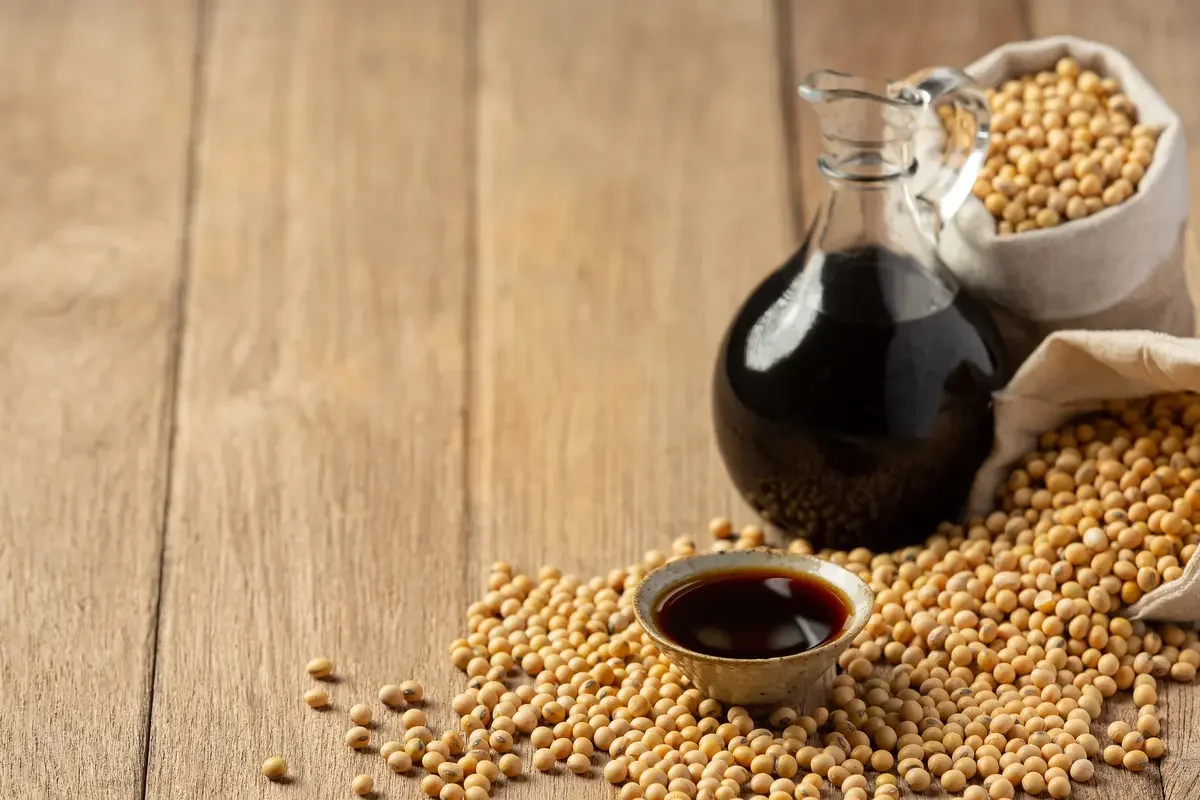
If you've ever enjoyed Cantonese cuisine, chances are you've tasted soy sauce in one form or another, even if you didn't realize it. Yet despite its popularity, many people still wonder what exactly is in the bottle and whether soya sauce is different from soy sauce.
In this article, we'll explore what soya sauce is, how it's made, what gives it its distinctive flavor, and why it plays such an important role in Cantonese cuisine. You'll also discover how this timeless ingredient enhances many dishes across the Ocean Dynasty menu, from fresh seafood specialties to classic stir-fries.
Is "Soya Sauce" the Same as "Soy Sauce"?
Yes. Soya sauce and soy sauce are exactly the same thing. The difference comes down to regional language preferences rather than the product itself.
In North America, the term soy sauce is far more common, while many countries influenced by British English, including parts of Europe and Asia, often use the term soya sauce.
Whether a bottle is labeled "soy sauce" or "soya sauce," it generally refers to the same fermented seasoning made primarily from soybeans. Different brands may vary in flavor, saltiness, sweetness, and aging time, but the names themselves do not indicate different products.
What is Soya Sauce Made of?
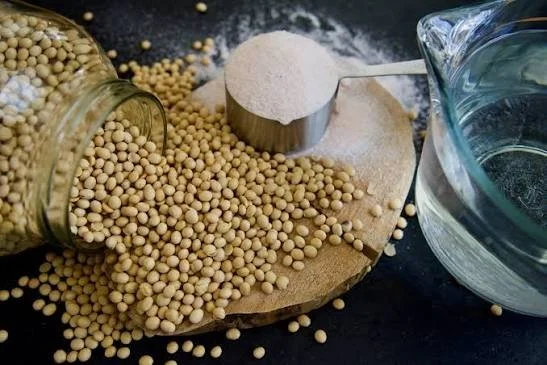
Traditional soya sauce contains four main ingredients, which is:
1. Soybeans
Soybeans provide the proteins that eventually become amino acids during fermentation. These amino acids contribute much of soy sauce's rich umami flavor.
2. Wheat
Many traditional soya sauces include roasted wheat, which adds subtle sweetness, aroma, and complexity while balancing the savory notes of the soybeans.
3. Salt
Salt helps preserve the sauce and controls the fermentation process while contributing to its distinctive taste.
4. Water
Water acts as the medium that allows fermentation to occur and combines all the ingredients into the liquid seasoning we recognize today.
How Is Soya Sauce Made?
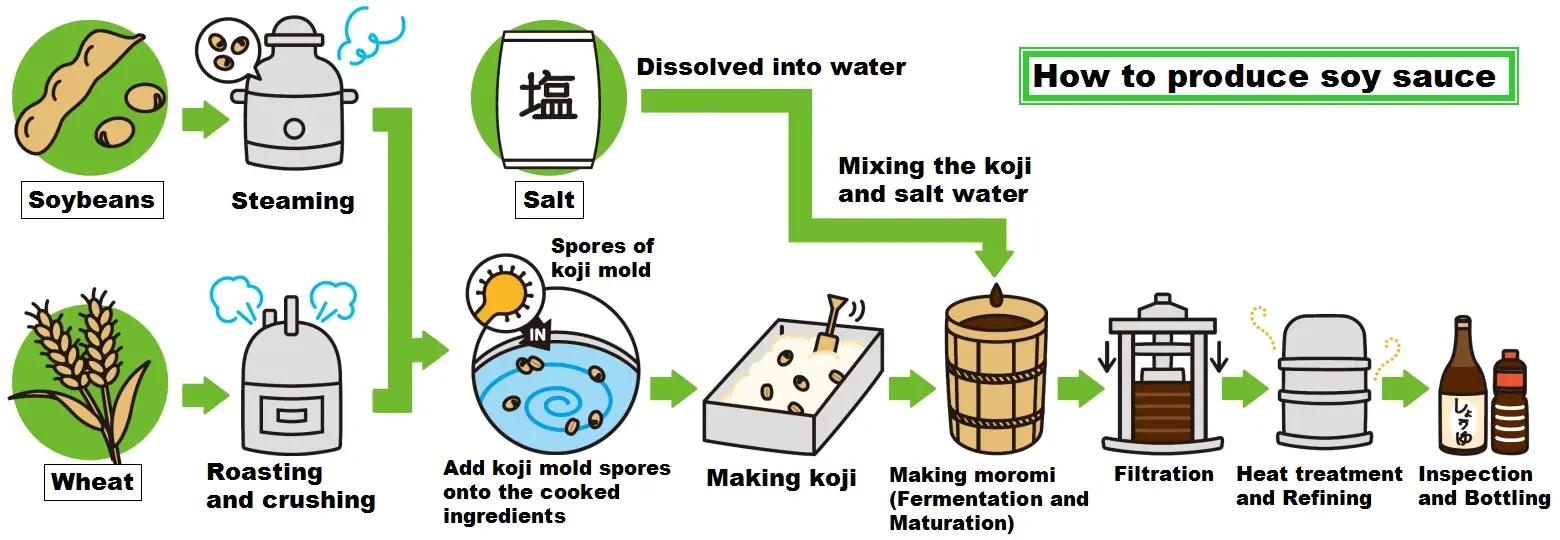
Traditional soya sauce production is a fascinating process that combines craftsmanship with patience.
1. Preparing the Ingredients
Soybeans are soaked and cooked until soft, while wheat is roasted and crushed.
2. Creating Koji
The soybeans and wheat are mixed with a fermentation culture known as Aspergillus oryzae. Over several days, this culture produces enzymes that begin breaking down proteins and starches.
3. Fermentation
The mixture is combined with salt water and left to ferment for several months. During this stage, beneficial microorganisms continue developing the sauce's aroma, color, and flavor.
4. Pressing
Once fermentation is complete, the mixture is pressed to separate the liquid soya sauce from the solids.
5. Pasteurization and Bottling
Finally, the sauce is filtered, gently heated to stabilize its flavor and quality, then bottled and distributed.
What Does Soya Sauce Taste Like?
Soya sauce is famous for its rich umami character, but its flavor is much more complex than simply being salty.
Depending on the variety, soya sauce may offer notes of:
Umami
Saltiness
Mild sweetness
Toasted grains
Caramel-like richness
Gentle acidity
Fermented complexity
Longer fermentation generally produces a deeper, smoother, and more balanced flavor.
How Soya Sauce Is Used Across the Ocean Dynasty Menu
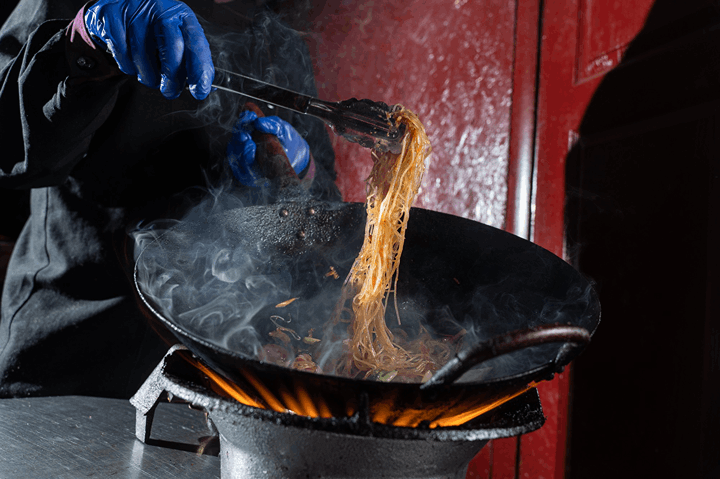
At Ocean Dynasty, soya sauce reflects the Cantonese philosophy of enhancing rather than overpowering premium ingredients.
One excellent example in our menu is the Live Fish (Deep-Fried with Light Soya Sauce). The fish is carefully prepared to achieve a crisp exterior while remaining tender inside, then finished with light soya sauce that highlights the natural sweetness of the fresh fish without masking it.
Another signature preparation is the Live Lobster (Steamed with Cheong Fen and Light Superior Soya Sauce). Steaming preserves the lobster's delicate texture, while the light superior soya sauce provides elegant savory notes that complement the seafood instead of competing with it.
Beyond these signature dishes, soya sauce also serves as a foundational seasoning throughout Cantonese cuisine. It often works quietly in the background, creating balance and depth that diners may not immediately notice but certainly appreciate.
Try The Best Chinese Cuisine at Ocean Dynasty!
Understanding what goes into a bottle of soya sauce offers a new appreciation for one of the world's most versatile seasonings. If you'd like to experience how this timeless condiment is used by skilled Cantonese chefs, explore Ocean Dynasty's Menu and discover signature dishes such as Live Fish (Deep-Fried with Light Soy Sauce) and Live Lobster (Steamed with Cheong Fen and Light Superior Soy Sauce), along with many other authentic specialties.
To plan your visit, make your reservations at Ocean Dynasty Bali or contact +62 811-1920-9007 via WhatsApp or Call. We look forward to welcoming you for an authentic Cantonese dining experience!
FAQ
Is soya sauce the same as soy sauce?
Yes. The two names refer to the same condiment. "Soy sauce" is more common in American English, while "soya sauce" is frequently used in British English and many international markets.
What is soya sauce made of?
Traditional soy sauce is made from soybeans, wheat, salt, water, and fermentation cultures that naturally develop its rich umami flavor.
Is soy sauce fermented?
Yes. Traditional soy sauce is produced through a fermentation process that may last several months, allowing complex flavors to develop naturally.