What Is Kailan? The Chinese Broccoli You've Been Missing
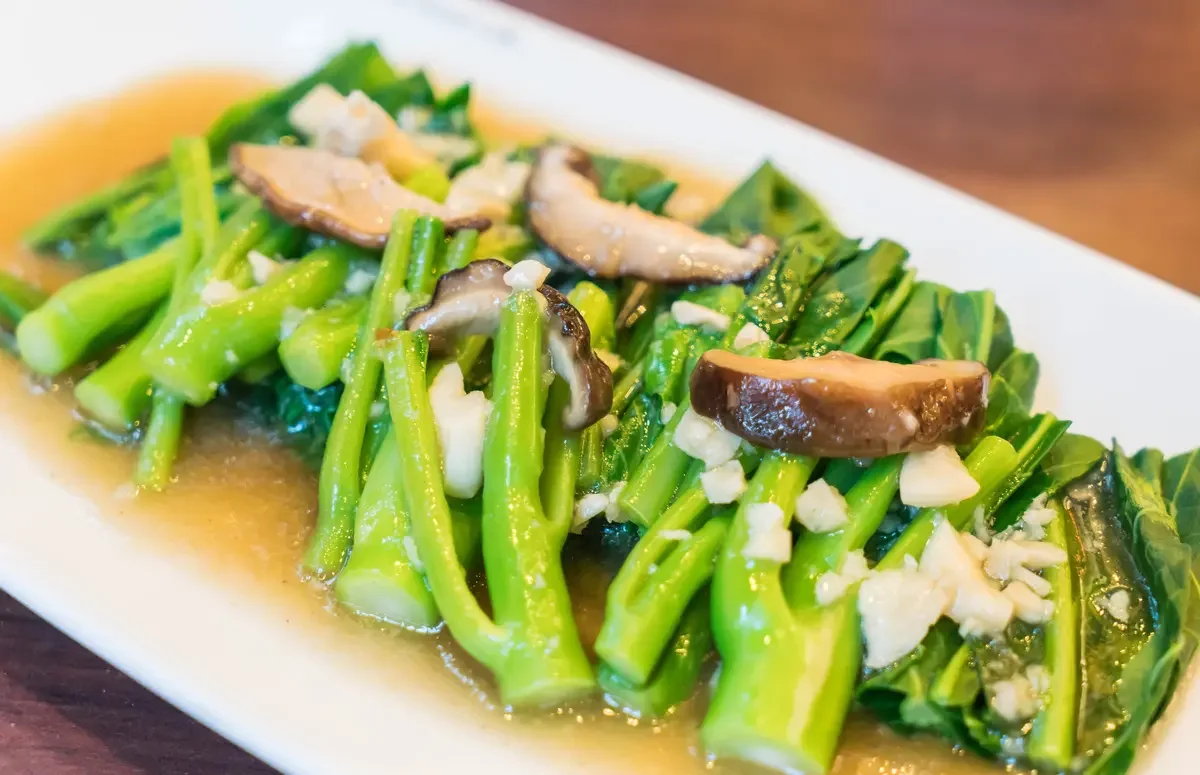
If you've ever dined at a Chinese restaurant and spotted a vibrant green vegetable with thick stems and glossy leaves on the menu, chances are you've encountered kailan, also known as gai lan or Chinese broccoli.
Despite being one of the most beloved vegetables in Chinese cooking, kailan is still relatively unfamiliar to many people outside Asia. Most people know broccoli well, but few realize there's another delicious green vegetable that deserves just as much attention.
Whether you're curious about what makes kailan special, wondering how it compares to broccoli, or looking for the best way to enjoy it, this article covers everything you need to know.
You'll also discover why the traditional Yin Yang Kailan cooking technique has become an inspiration for Ocean Dynasty's signature Kailan, allowing diners to experience two unique textures in a single dish.
What Is Kailan (Gai Lan)?
Kailan, commonly called gai lan in Cantonese, is a leafy green vegetable belonging to the Brassica family, the same family as broccoli, cabbage, kale, and Brussels sprouts. It is widely grown throughout China and Southeast Asia and is considered one of the most popular Chinese vegetable varieties in Cantonese cooking.
One reason kailan is so highly regarded is its balanced flavor. The stems are naturally sweet and juicy, while the leaves contribute a mild bitterness that becomes more mellow after cooking. This combination creates a depth of flavor that pairs beautifully with simple seasonings like garlic, oyster sauce, soy sauce, or sesame oil.
In traditional Chinese cuisine, kailan is often served as a side dish, stir-fried with aromatics, or paired with roasted meats, seafood, and noodles. Because it cooks quickly while maintaining its crunch, it has become a favorite ingredient for both home cooks and professional chefs.
Is Kailan the Same as Broccoli?
This is one of the most common questions people ask. The answer is no. While kailan and broccoli are related botanically, they are different vegetables with distinct appearances, flavors, and culinary uses.
Here's how they compare:
| Kailan (Gai Lan) | Broccoli |
|---|---|
| Thick, edible stems | Large flowering head |
| Flat, dark green leaves | Small leaves surrounding the florets |
| Small flower buds | Dense, rounded florets |
| Slightly bittersweet flavor | Mild, earthy flavor |
| Crisp and juicy stems, even after cooking | Softer florets when cooked |
How Do You Cook Kailan?
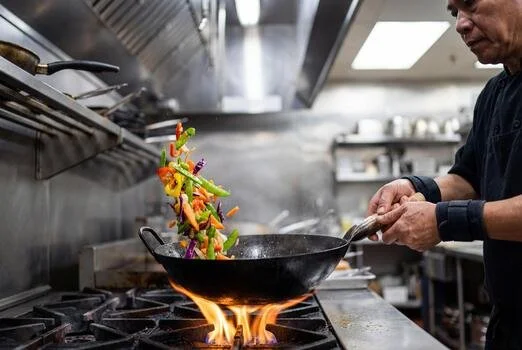
One of the reasons chefs love kailan is its versatility. It can be prepared in several ways depending on the texture and flavor you're looking for.
1. Stir-Frying
The most popular preparation involves stir-frying kailan with garlic over high heat.
The stems are usually added first since they require slightly more cooking time than the leaves. Once the stems become bright green and tender-crisp, the leaves are added for just a minute or two.
A simple combination of oyster sauce, soy sauce, and a touch of sugar creates a classic Cantonese-style dish.
2. Blanching
Blanching is another traditional method. The vegetable is briefly cooked in boiling water before being transferred to ice water. This helps preserve its bright green color while maintaining its crisp texture.
After blanching, kailan is often topped with oyster sauce, garlic oil, or sesame oil.
3. Steaming
Steaming keeps the vegetable tender while preserving much of its natural sweetness.
This cooking method works particularly well when serving kailan alongside seafood or roasted meats.
4. Deep-Frying (For Special Dishes)
Although not as common as stir-frying, deep-frying part of the vegetable creates an entirely different texture.
When fried correctly, the leaves become light and crispy while the stems remain flavorful. This contrast forms the basis of one of the most interesting traditional presentations: Yin Yang Kailan.
Kailan in 2 Flavours from Ocean Dynasty!
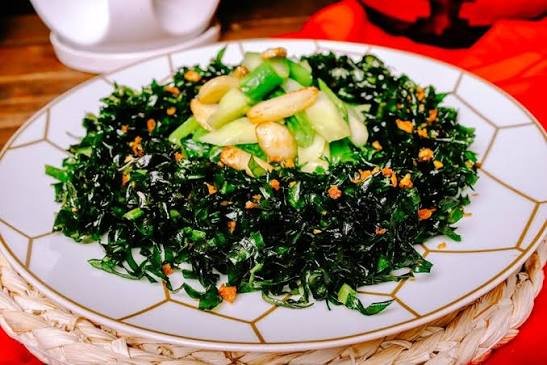
Yin Yang Kailan or Kailan in 2 flavours is a creative Cantonese preparation that celebrates contrast. It is available on the Ocean Dynasty menu.
Rather than cooking the entire vegetable the same way, the dish is divided into two portions.
One portion is deep-fried until crisp, producing delicate, crunchy leaves with an almost chip-like texture. The other portion is stir-fried in the traditional Cantonese style, preserving the vegetable's juicy stems and tender leaves.
The result is two completely different textures served together on the same plate.
This contrast reflects the concept of yin and yang—two complementary elements that create harmony when combined. Instead of choosing between crispy or tender, diners can enjoy both in a single dish.
Beyond texture, the technique also enhances flavor. The fried portion develops nutty, roasted notes, while the stir-fried section highlights kailan's natural sweetness and freshness.
Because it requires careful timing and temperature control, Yin Yang Kailan is often prepared by experienced chefs who understand how to balance both cooking methods perfectly.
Experience Authentic Kailan at Ocean Dynasty
Learning about kailan is one thing, but tasting it is another experience entirely.
Ocean Dynasty's Kailan in 2 Flavors captures the spirit of the traditional Yin Yang Kailan technique by combining crispy fried kailan with tender stir-fried kailan in one beautifully balanced dish. Every bite offers a different texture while showcasing the vegetable's naturally sweet and slightly bittersweet flavor.
If you're looking to discover why kailan has remained a favorite in Cantonese cuisine for generations, this dish is an excellent place to start.
Visit your nearest Ocean Dynasty restaurant and explore our menu to discover more authentic Cantonese specialties prepared with quality ingredients and traditional cooking techniques.
To make your dining experience even more convenient, don't forget to make your reservations in advance, especially during weekends and holidays. You can make reservations through this Whatsapp number or call : +62 811-1920-9007!
FAQ
What is kailan?
Kailan, also called gai lan or Chinese broccoli, is a leafy green vegetable from the Brassica family. It features thick edible stems, tender leaves, and small flower buds and is widely used in Cantonese cuisine.
Is kailan the same as broccoli?
No. Although they belong to the same plant family, broccoli is grown mainly for its large florets, while kailan is valued for its stems, leaves, and smaller buds.
What does kailan taste like?
Kailan has crisp, juicy stems with a mild sweetness, while the leaves contribute a gentle bitterness that becomes softer after cooking.