Is it actually safe to eat seafood in Bali? Food safety is one of the most common concerns among travelers visiting Bali, especially when dining with young children. Stories about Bali Belly and food-related illnesses can make parents extra cautious about what ends up on their family's plates.
The good news is that seafood in Bali is generally very safe to eat—provided you choose restaurants that follow proper hygiene standards, food handling procedures, and cooking practices.
In fact, Bali is home to some of Indonesia's freshest seafood, thanks to its location surrounded by rich fishing waters. Every day, restaurants receive fresh catches ranging from fish and prawns to crab, lobster, clams, and squid.
The key isn't avoiding seafood altogether, but knowing where and how to enjoy it safely.
In this guide, we'll explain the real risks, how reputable restaurants manage seafood safety, what you should look for before ordering, and why certain cooking styles may be particularly safer.
Why Travelers Worry About Seafood Safety in Bali
When people think about food-related illnesses while traveling, seafood often becomes one of the first foods they worry about.
This concern is understandable because seafood is highly perishable. If not stored, transported, or cooked properly, it can become unsafe to eat.
However, it's important to understand that seafood itself is not usually the problem.
Most food safety issues occur because of:
Improper storage temperatures
Cross-contamination during preparation
Poor kitchen hygiene
Unsafe water usage
Undercooked seafood
Inadequate food handling practices
In other words, the danger typically comes from how seafood is handled—not from seafood itself.
Restaurants that invest in proper food safety systems like Ocean Dynasty can serve seafood safely every day, even in tropical climates like Bali.
A Parent’s Seafood Safety Checklist Before Dining
Before ordering seafood for your family, especially for young children, take a quick look around the restaurant.
This simple checklist can help you identify restaurants that take food safety seriously.
1. Filtered Water System
Clean water is one of the foundations of food safety.
Restaurants should use filtered water systems for food preparation, washing vegetables, making soups, and producing ice.
Water contamination can sometimes be a bigger risk than the seafood itself.
2. UV Sterilization System
Many high-quality restaurants use UV sterilization technology to eliminate bacteria and microorganisms from water supplies. This additional layer of protection helps ensure cleaner food preparation throughout the kitchen.
3. Clean Live Seafood Tanks
Live seafood tanks should look clean and well-maintained. Pay attention to:
Clear water
Healthy-looking seafood
Proper aeration systems
No unpleasant smells
A clean tank often reflects overall restaurant hygiene standards.
4. Seafood Displayed on Ice
Fresh seafood should be stored on plenty of clean ice.
Look for:
Fresh fish lying on ice
Shellfish properly chilled
Consistent cold temperatures
Ice helps maintain freshness and prevents bacterial growth.
5. No Strong Fishy Odor
Fresh seafood should smell mild and clean. Contrary to popular belief, fresh seafood should not have a strong fishy smell.
If a seafood display emits a strong odor, it may indicate that products are no longer at peak freshness.
6. Busy Restaurant with High Turnover
Restaurants that serve many customers often rotate their seafood inventory more quickly. High turnover generally means:
Fresher ingredients
Less time spent in storage
More frequent replenishment
While popularity alone doesn't guarantee quality, it's usually a positive sign.
7. Visible or Open Kitchen
An open kitchen can provide reassurance for parents. Restaurants that allow guests to see food preparation often demonstrate confidence in their cleanliness and operational standards. Transparency is usually a good indicator of professionalism.
8. Proper Cooking Methods
Even the freshest seafood must be cooked correctly. Heat is one of the most effective ways to eliminate harmful bacteria and parasites.
Cooking methods that involve high temperatures help ensure food safety while still preserving flavor and nutrition. This is one reason many people feel more comfortable choosing cooked seafood dishes over raw seafood options.
For families dining with children, Cantonese-style seafood can be an excellent choice because it combines fresh ingredients with cooking methods that prioritize both safety and flavor.
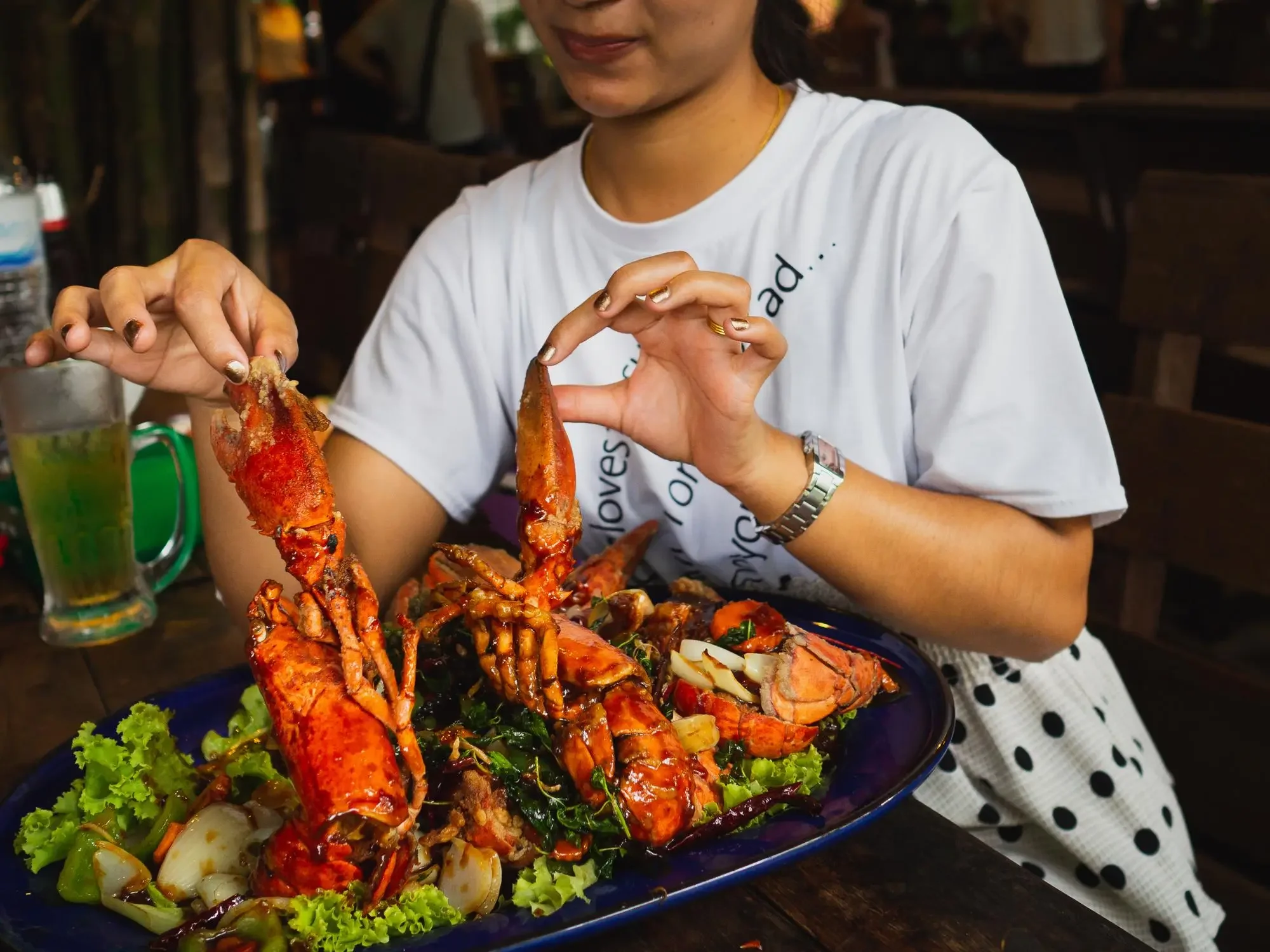
Unlike raw seafood dishes, Cantonese cuisine typically uses high-heat techniques such as wok-frying, steaming, boiling soups, and deep frying, which help thoroughly cook seafood while preserving its natural taste and nutrients.
Dishes like steamed fish, stir-fried prawns, seafood soups, and crispy fish fillets are not only delicious but also kid-friendly thanks to their tender textures and comforting flavors. This focus on fresh seafood and proper cooking makes Cantonese-style dining a reassuring and enjoyable option for parents traveling with young children.
Ocean Dynasty Bali: An Example of Freshness and Proper Seafood Preparation
For families seeking Chinese seafood dining in Bali, Ocean Dynasty Bali is one example of a restaurant that places strong emphasis on seafood quality and preparation standards.
Our restaurant is known for:
Fresh seafood selection
Live seafood offerings
Cantonese-style cooking techniques
Carefully prepared soups and seafood dishes
Focus on ingredient quality
Many of its seafood dishes are prepared using traditional Cantonese methods such as steaming, wok cooking, boiling, and deep frying—cooking techniques that thoroughly cook ingredients while preserving natural flavors.
Rather than relying on heavy sauces or excessive processing, Cantonese cooking often allows the freshness of seafood to remain the star of the dish.
To make the most of your visit, be sure to explore the menu beforehand and reserve your table in advance via WhatsApp, phone call (+62 811-1920-9007), or the website!
FAQ
Can children safely eat seafood in Bali?
Yes. Children can safely eat seafood in Bali when dining at reputable restaurants that follow proper hygiene, storage, and cooking practices. Thoroughly cooked seafood is generally recommended for younger children.
What causes most seafood-related illnesses?
Most food safety issues are caused by improper storage, contaminated water, poor hygiene, cross-contamination, or undercooked food rather than the seafood itself.
Is cooked seafood safer than raw seafood?
Generally, yes. Cooking helps eliminate harmful bacteria and parasites, making cooked seafood a safer option, particularly for young children.
How can I tell if seafood is fresh?
Fresh seafood should have a mild ocean smell, firm texture, bright appearance, and should be stored properly on ice or in clean live seafood tanks.